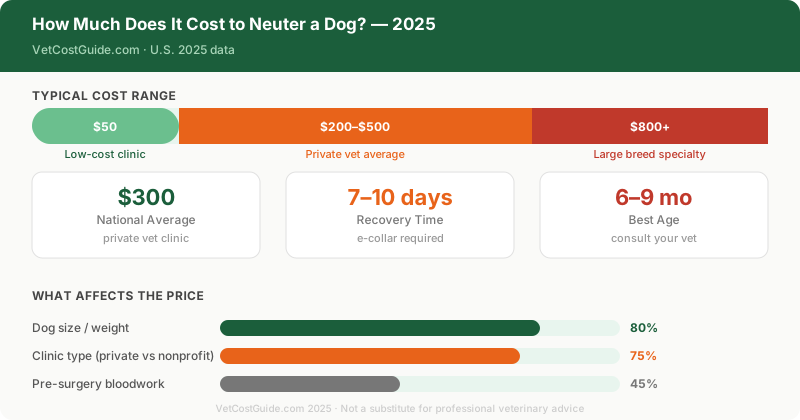
Two things are true about dog neuter pricing. First, it genuinely varies from $50 to $500+ — not because some vets are gouging you, but because clinic type, dog size, and geography create real differences. Second, most of that variation is predictable once you understand what’s driving it.
Here’s the actual breakdown.
- Private vet average: $200–$500 depending on dog size
- Low-cost clinics: $50–$150 at humane societies and ASPCA-affiliated clinics
- Large breeds cost more — over 80 lbs often adds $75–$150 to the base price
- Best time to neuter: 6–9 months for most breeds (consult your vet)
Neuter Cost by Clinic Type
| Clinic Type | Small Dog | Medium Dog | Large Dog |
|---|---|---|---|
| Low-cost / humane society | $50–$100 | $75–$150 | $100–$200 |
| Private vet (average) | $200–$300 | $250–$400 | $350–$500 |
| Specialty hospital | $300–$400 | $400–$550 | $500–$800 |
These prices include the procedure, anesthesia, and basic pain medication. Pre-surgical bloodwork ($80–$150) is usually extra.
What You’re Actually Paying For
A neuter is straightforward surgery, but it’s still surgery — and that matters for understanding the cost.
Anesthesia and monitoring accounts for 30–40% of the bill. Your dog needs to be fully under general anesthesia with continuous vital-sign monitoring throughout. A dedicated technician watches heart rate, blood pressure, and oxygen saturation the entire time. This isn’t overhead — it’s what keeps the procedure safe.
The surgery (orchiectomy) itself typically takes 5–20 minutes. The surgeon makes a small incision near the scrotum, removes the testicles, and closes with internal sutures that dissolve on their own. Fast procedure. Real surgery.
Pain management is included at most clinics — you’ll go home with 3–5 days of oral medication. Some practices charge $15–$40 extra for this; it’s worth confirming upfront.
The cone of shame (e-collar) is usually bundled in. Occasionally it’s a $10–$15 add-on.
What’s typically not in the quoted price: pre-surgical bloodwork, IV fluids during surgery (adds $50–$100), and hospitalization if something unexpected happens.
What Makes the Price Go Up
Your dog’s size. This is the single biggest factor. Bigger dogs need more anesthesia, the procedure takes longer, and more suture material is used. A 10-lb dog and a 90-lb dog are genuinely different procedures.
Where you go. Non-profit humane society clinics and ASPCA-affiliated programs subsidize costs through donations and grants. Private practices have overhead — staff salaries, facility rent, equipment — that gets reflected in market-rate pricing. You’re often getting the same medical quality at either; you’re paying for the clinic’s economic structure.
Where you live. Neutering in New York City or San Francisco routinely costs 40–60% more than the same procedure in rural Midwest or Southern states. Veterinary labor and real estate costs drive this.
Cryptorchid testicles. If one or both testicles haven’t descended into the scrotum — a condition called cryptorchidism — the procedure becomes abdominal surgery. Prices jump to $400–$900. Your vet should identify this in the pre-surgical exam. If they find it, get a new estimate before proceeding.
Add-ons. IV fluids, microchipping, dental exam, nail trim — these are often presented as bundles during the neuter appointment. Some are worthwhile. Microchipping is worth it. But if your vet is pushing premium fluid packages for a healthy 8-month-old, it’s fair to ask whether it’s medically indicated.
- Deferred interest on CareCredit: The 0% promotional rate turns into 26.99% APR on the entire balance if you don’t pay it off in time.
- Bundled wellness packages: Some vets offer “puppy packages” that include the neuter. Do the math — they’re sometimes a good deal, sometimes not.
- Cryptorchid surprise: If your vet finds an undescended testicle during pre-surgical exam, get a new price estimate before proceeding.
Pet Insurance for Neutering: Does It Pay Off?
Most pet insurance plans treat neutering as an elective procedure and exclude it from standard illness-and-accident coverage. Wellness add-ons are the exception — plans like Embrace Wellness Rewards and ASPCA’s preventive care rider reimburse $50–$150 toward neuter costs.
Honest math: for just the neuter, a wellness rider rarely pencils out. You’d typically pay more in premium for the rider than you’d get back. The rider makes more sense if it also covers vaccines, annual exams, and other routine care you’d be paying for anyway.
How to Pay Less
Use a low-cost clinic. This is the highest-impact move available to you. ASPCA’s database at aspca.org/pet-care/spay-neuter and PetSmart Charities at petsmartcharities.org both list programs near you. Savings of $150–$300 are typical compared to private vet pricing.
Ask about discounts. Many humane societies offer discounts for veterans, seniors on fixed income, or households receiving public assistance. It doesn’t hurt to ask directly.
Get two quotes. A five-minute phone call to a second vet can save $100. Prices vary more than people expect even within the same city.
Time it strategically. Some clinics run discounted rates during lower-volume periods or as part of community spay/neuter events. Ask if they have any upcoming promotions.
Frequently Asked Questions
Does neutering fix behavior problems? Neutering reduces or eliminates marking, mounting, and roaming in most dogs — especially when done before 12 months old. It doesn’t reliably address aggression, which is a training and behavior issue rather than a hormonal one.
What’s recovery like? Most dogs are groggy for 12–24 hours after surgery. You’ll need to restrict running and rough play for 7–10 days. Most dogs bounce back to normal behavior within 48 hours of coming home — they often seem more unbothered by the whole thing than their owners.
Is it safe? Yes. Routine neuters in healthy dogs have complication rates under 2%. Pre-surgical bloodwork identifies kidney or liver issues that would affect anesthesia protocols and further reduces risk.
Can I wait until my dog is older? For large and giant breeds, there’s emerging evidence that waiting until 12–18 months may benefit joint development. For most small and medium breeds, 6 months remains the standard recommendation. This is worth a specific conversation with your vet rather than a one-size-fits-all answer.
Frequently Asked Questions
At private vet clinics, neutering typically costs $200–$500, with the final price depending on your dog's size and weight. Larger dogs usually cost more due to increased anesthesia and surgical time, while smaller dogs may fall in the $200–$300 range.
Most pet insurance plans do not cover neutering because it is considered a preventive or elective procedure rather than treatment for illness or injury. However, some wellness add-ons or employer-based pet plans may offer partial reimbursement, so check your specific policy details.
Most dogs recover from neutering within 7–14 days, with full healing typically complete in 2–3 weeks. Your vet will recommend limiting activity and keeping the incision clean during this period, and you'll likely need a follow-up visit to check the surgical site.