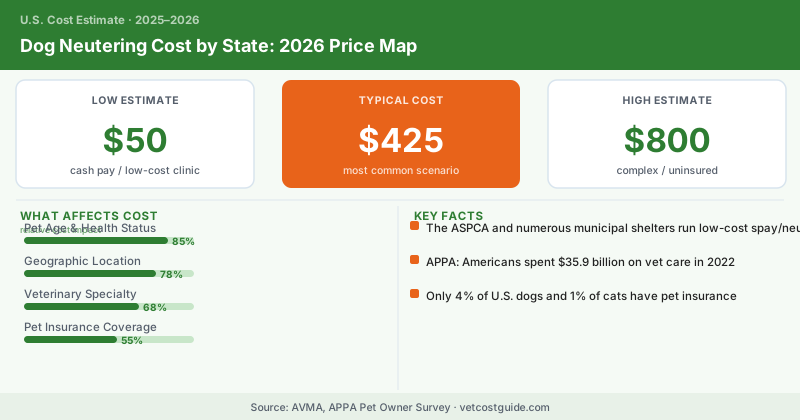
In rural Mississippi, a low-cost clinic might neuter your dog for $50. Drive to San Francisco, and the same procedure at a private practice can run $600–$800. Same surgery, same recovery, wildly different price tag. Dog neutering cost by state is really a story about local cost of living, clinic type, and how many subsidized spay/neuter programs your area has.
The ASPCA and numerous municipal shelters run low-cost spay/neuter initiatives specifically because unplanned litters remain a major driver of shelter intake nationwide — the American Veterinary Medical Association estimates around 6.3 million companion animals enter U.S. shelters annually, and reducing unwanted breeding is a top priority for animal welfare groups.
Regional price patterns
| Region | Private Vet Range | Low-Cost Clinic Range | Example States |
|---|---|---|---|
| Northeast | $300–$800 | $75–$150 | NY, MA, CT, NJ |
| West Coast | $250–$700 | $65–$150 | CA, WA, OR |
| Midwest | $150–$400 | $40–$100 | OH, IN, IL, MI |
| South | $120–$350 | $35–$90 | MS, AL, TX, GA |
| Mountain West | $150–$400 | $40–$110 | CO, UT, MT, ID |
These ranges reflect private veterinary practices billing standard rates versus nonprofit, municipal, or ASPCA-partnered low-cost clinics, which often subsidize the actual cost of surgery through grants and donations.
Why the same state can have wildly different prices
Even within a single state, cost swings hard between a rural county clinic and an urban private practice. A small-town Texas vet might charge $150 for a standard neuter, while a boutique animal hospital in downtown Austin charges $400 for the identical procedure with the same anesthesia protocol. The difference comes down to real estate costs, staff wages, and the equipment overhead of a full-service hospital versus a surgery-focused clinic.
- Coastal and major metro states cost 2–4x more than rural Midwest and Southern states for the same procedure.
- Low-cost clinics and nonprofit programs can cut the price by 60–80% regardless of state.
- Dog size still matters within any state — large breeds cost more everywhere.
- National organizations like the ASPCA and Humane Society maintain directories of subsidized clinics by zip code.
Finding the cheapest legitimate option near you
Start with your state or county’s animal control department — many run or subsidize spay/neuter voucher programs, sometimes covering the full cost for low-income households. The ASPCA and Humane Society both maintain searchable directories of low-cost clinics by zip code, and Spay USA operates a free referral hotline that connects you to nearby subsidized providers.
Community “SNAP” (spay/neuter assistance programs) events pop up regionally and sometimes offer free or $20–$40 neutering for qualifying pet owners, particularly around National Spay/Neuter Awareness Month each February.
- Assuming rural means lower quality. Many low-cost clinics perform hundreds of these surgeries a week and have excellent safety records — high volume often means more surgical experience, not less.
- Skipping pre-surgical bloodwork to save money. Some low-cost clinics offer this as an add-on rather than including it — for senior or at-risk dogs, don’t skip it even if it costs an extra $40–$80.
- Waiting too long. Many low-cost programs have income requirements or limited monthly slots that book out weeks in advance — plan ahead rather than waiting until your dog is already showing signs of unwanted behaviors.
Does timing affect the price?
Neutering a puppy before 6 months of age is typically cheaper and has a faster recovery than neutering an adult or senior dog, since younger dogs need less anesthesia and heal more quickly. Waiting until a large-breed dog is fully grown (some vets recommend 12–18 months for giant breeds due to joint development research) doesn’t usually change the price much, but it can change your dog’s behavior and injury risk in the interim.
The bottom line on location
If you live in a high-cost metro area, it’s worth the drive to a subsidized regional clinic or a lower-cost neighboring county — a 45-minute trip can easily save $200–$400. Compare that against cat spaying cost by state if you have both a dog and a cat at home, since many low-cost clinics run combined-pet discount days that make it worth scheduling both procedures together.
Frequently Asked Questions
Cost differences come down to local cost of living, veterinary staff wages, and clinic overhead. Coastal metro areas like San Francisco, Boston, and New York have significantly higher rent and labor costs than rural areas in the Midwest or South, which pushes routine surgery prices up by $200–$400 even though the procedure itself is identical.
Yes, reputable low-cost and nonprofit spay/neuter clinics follow the same anesthesia and surgical safety protocols as private practices, and many are staffed by licensed veterinarians who specialize in high-volume, efficient surgery. The lower price comes from reduced overhead, standardized protocols, and nonprofit subsidies, not from cutting corners on safety.
Yes, within any given state, larger dogs typically cost 30–75% more to neuter than small dogs because they require more anesthesia, larger surgical incisions, and longer procedure times. A 10-pound Chihuahua might cost $150 in a state where a 90-pound Labrador costs $350 at the very same clinic.