56% of dogs in the United States are overweight or obese. That’s not a rounding error — that’s the finding from the Association for Pet Obesity Prevention’s most recent national survey, and it’s been hovering near that number for a decade.
The cost of obesity isn’t just the weight management program. An overweight dog is significantly more likely to develop arthritis, diabetes, breathing problems, high blood pressure, and cancer — conditions that cost far more to treat than the original weight problem. The calculus here is pretty stark.
Here’s what managing your dog’s weight actually costs.
- Veterinary nutrition consultation: $100–$300
- Prescription weight-loss food (Hill’s Metabolic, Royal Canin Satiety): $60–$120/month
- Hydrotherapy for low-impact exercise: $150–$250/session
- Veterinary weight clinic program (full year): $300–$800
- FDA-approved weight-loss drug (Slentrol): $40–$80/month
Dog Weight Management Program Costs
| Service/Product | Cost | Notes |
|---|---|---|
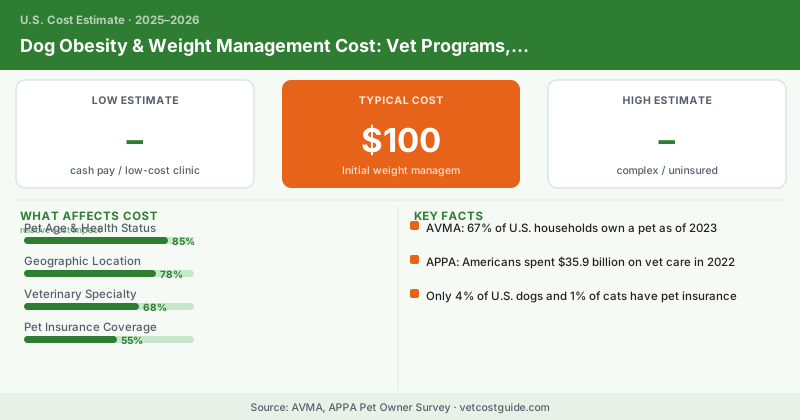
| Initial weight management consultation | $100–$250 | Includes body condition scoring and diet plan |
| Prescription weight-loss dry food (monthly) | $60–$120 | Hill's Metabolic, Royal Canin Satiety Support |
| Prescription weight-loss wet food (monthly) | $80–$150 | Higher palatability; useful for picky dogs |
| Metabolic testing (resting energy requirement) | $80–$150 | Determines precise caloric target |
| Follow-up weigh-in appointments (monthly) | $30–$60 | Every 4–6 weeks during active weight loss |
| Slentrol (dirlotapide) prescription | $40–$80/month | FDA-approved canine weight-loss drug |
| Hydrotherapy for exercise | $150–$250/session | Good for arthritic overweight dogs |
| Full annual weight management program | $400–$900 | Including food, monitoring, and consultations |
What a Veterinary Weight Management Program Includes
Don’t expect your vet to hand you a bag of diet food and say “good luck.” Structured veterinary weight management programs involve real monitoring. Here’s how it works at clinics with dedicated programs:
Initial assessment ($100–$250):
- Body Condition Score (BCS) on a 9-point scale — you’re aiming to get to 4–5
- Current weight, target weight, and timeline calculation
- Resting energy requirement (RER) calculation — the precise number of calories your dog needs at rest
- Diet history review
- Bloodwork to rule out hypothyroidism, Cushing’s disease, or other metabolic conditions driving weight gain ($150–$250 additional if not recently done)
The feeding plan: Prescription weight-loss diets (Hill’s Prescription Diet Metabolic, Royal Canin Satiety Support, Purina Pro Plan Weight Management) are specifically formulated to be calorie-restricted while maintaining adequate protein and fiber to reduce hunger. Generic “light” over-the-counter foods work for mild cases but often aren’t effective for dogs who are significantly overweight.
Prescription food cost: $60–$120/month for most dog sizes. This is real money over a year, but it’s substantially less than treating the arthritis, diabetes, or cardiac disease that obesity causes.
Monthly monitoring: The program only works if you measure progress. Monthly weigh-ins with a vet or vet tech ($30–$60/visit) track the rate of loss — target is 1–2% of body weight per week. Too fast causes muscle loss. Too slow means the caloric target is still too high.
Slentrol: The FDA-Approved Option
Slentrol (dirlotapide) is the only FDA-approved prescription drug for obesity in dogs. It’s a microsomal triglyceride transfer protein (MTP) inhibitor — it reduces fat absorption in the intestine and also reduces appetite. Approved for short-term use (up to one year) combined with diet and exercise.
Cost: $40–$80/month depending on dog weight. It’s not a standalone solution — it’s a tool to jumpstart weight loss in dogs who aren’t responding to diet alone or in cases where significant joint pain is limiting exercise.
Some vets prescribe it; many don’t. It’s worth asking about if your dog has lost little weight after 8 weeks of strict diet management.
The Exercise Component
This is where overweight dogs present a circular problem: they need exercise to lose weight, but they’re often in pain because of their weight. A 10-pound overweight Labrador has dramatically more stress on every joint than an ideal-weight dog. Arthritis develops, making exercise painful, making weight loss harder.
Hydrotherapy (underwater treadmill) solves this elegantly. Water buoyancy reduces effective weight-bearing by up to 50–75%, allowing overweight arthritic dogs to exercise their muscles without joint pain. Sessions run $150–$250 each and are often the best early-stage exercise intervention for heavy dogs with mobility issues.
Leash walks are free, obviously. A consistent 20–30 minute daily walk is the backbone of any weight loss program. The key word is consistent — sporadic walks don’t move the needle.
A study published in the Journal of Veterinary Internal Medicine found that dogs in structured veterinary weight loss programs lost an average of 11.3% of their body weight over a 12-week program. Dogs with owner-managed diet changes alone lost significantly less. The monitoring and accountability matter.
Never put your dog on a severely calorie-restricted diet without veterinary guidance. Dogs — especially obese dogs — can develop hepatic lipidosis (fatty liver disease) from rapid weight loss. The safe rate of loss is 1–2% of body weight per week. A 70-pound dog should lose no more than about 0.7–1.4 pounds per week. Your vet’s caloric target is calibrated to this rate. Cutting calories more aggressively doesn’t speed safe weight loss — it causes complications.
Breeds Most at Risk
Some breeds are genetically predisposed to obesity and may need more intensive management:
- Labrador Retrievers (POMC gene mutation in a significant percentage of the breed reduces satiety signaling — a Cambridge University study found over 20% of Labradors carry this variant)
- Beagles
- Cocker Spaniels
- Dachshunds
- Basset Hounds
- Cairn Terriers
These breeds often need lower caloric intake targets than the formula-predicted amount, and lifelong prescription food even after reaching target weight.
The Real Cost: Obesity-Related Disease
The weight management program costs $400–$900/year. Compare that to what obesity causes:
- Osteoarthritis treatment: $1,500–$5,000/year in severe cases (NSAIDs, joint injections, rehabilitation)
- Diabetes management: $1,200–$3,600/year (insulin, monitoring, glucose curves)
- Cranial cruciate ligament rupture (ACL equivalent): $4,000–$7,000 per TPLO surgery — overweight dogs rupture these at significantly higher rates
- Breathing disorders in brachycephalic breeds: worsened significantly by obesity
The return on investment for weight management is one of the clearest in veterinary medicine.
Frequently Asked Questions
Prescription weight-loss diets for dogs typically cost $60–$120 per month, depending on the brand, your dog's size, and whether you purchase through your veterinarian or online retailers. Annual costs for diet alone can range from $720–$1,440, though this is often just one component of a comprehensive weight management program.
Most standard pet insurance plans do not cover preventive weight management programs or prescription diets, as these are considered wellness or preventive care rather than treatment for illness. However, if your overweight dog develops obesity-related conditions like arthritis or diabetes, treatment for those conditions may be covered depending on your policy.
Most veterinary weight management programs show noticeable results within 8–12 weeks, though significant weight loss typically takes 4–6 months depending on the dog's starting weight and adherence to the program. Regular weigh-ins (usually monthly) help track progress and allow your vet to adjust the diet or exercise plan as needed.