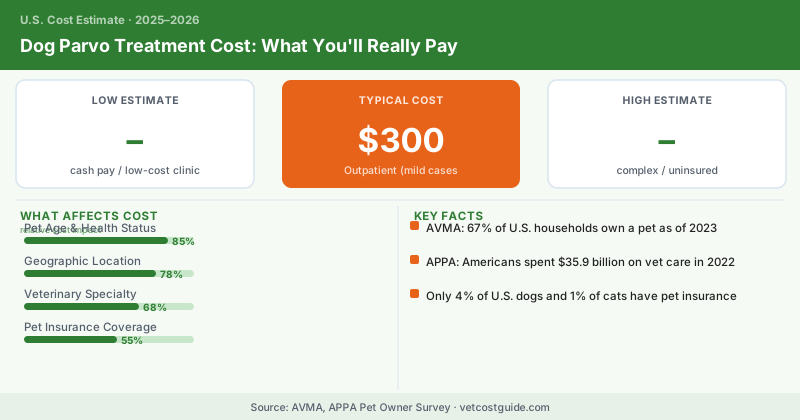
Milo was eight weeks old, half-vaccinated, and lethargic by dinnertime. By midnight he was vomiting blood. His owners spent five days and $3,400 at the emergency hospital before he came home. That’s parvo — one of the most common and most expensive puppy emergencies a dog owner will ever face. Treatment typically costs $500 for mild outpatient cases up to $3,000–$5,000+ for severe hospitalized cases.
Canine parvovirus is a highly contagious, often fatal virus that attacks a puppy’s intestinal lining and immune system. The American Veterinary Medical Association identifies it as one of the most serious infectious diseases affecting unvaccinated or partially vaccinated puppies, and outbreaks remain common in shelters and high-density dog populations nationwide.
What drives the cost
| Treatment Level | What's Included | Typical Cost |
|---|---|---|
| Outpatient (mild cases) | SubQ fluids, anti-nausea meds, twice-daily visits | $300–$800 |
| Standard hospitalization (2–3 days) | IV fluids, antibiotics, anti-nausea meds, monitoring | $1,000–$2,500 |
| Severe hospitalization (4–7 days) | ICU-level care, plasma/blood products, intensive monitoring | $2,500–$5,000+ |
| Parvo test (initial diagnosis) | SNAP ELISA fecal test | $40–$75 |
The single biggest cost driver is how long your puppy needs to stay hospitalized, and that’s largely determined by how quickly treatment starts. Puppies brought in within the first 24–48 hours of symptoms generally need less intensive care than those whose owners waited, hoping it was “just an upset stomach.”
Why it’s so expensive to treat
Parvo itself has no direct antiviral cure — treatment is entirely supportive, meaning the vet team is keeping your puppy alive with IV fluids, anti-nausea medication, and antibiotics to prevent secondary bacterial infection while the puppy’s own immune system fights off the virus over several days. That means round-the-clock nursing care, repeated bloodwork to monitor electrolytes and white blood cell counts, and sometimes plasma transfusions for severely affected puppies — all of which adds up fast in a hospital setting.
- Parvo treatment ranges from $300 for mild outpatient cases to $5,000+ for severe hospitalized cases.
- With prompt treatment, survival rates run 68–92%; without treatment, mortality is roughly 91%.
- The core vaccine series, given at 6, 9, 12, and sometimes 16 weeks, is the single most effective and cheapest form of prevention.
- Insurance covers parvo treatment if purchased before symptoms appear — enroll puppies immediately after adoption.
The outpatient alternative
For families who can’t afford full hospitalization, some veterinary practices offer an outpatient protocol: subcutaneous fluids, injectable anti-nausea and antibiotic medication, and twice-daily rechecks, all done without an overnight stay. This runs $300–$800 total and has shown reasonable success rates in several published veterinary studies, though it’s generally considered a step down from full hospitalization for the most severe cases. This should always be a decision made with your vet, weighing your puppy’s specific condition against what’s financially realistic.
- Delaying the vet visit. Parvo progresses fast — a puppy who seems “a little off” in the morning can be critical by evening. Don’t wait to see if it resolves on its own.
- Skipping the full vaccine series. A single parvo shot doesn’t provide full protection; puppies need the complete series, typically finishing around 16 weeks, before they’re considered adequately protected.
- Exposing an unvaccinated puppy to dog parks or pet stores. Parvovirus survives in soil and on surfaces for months, and unvaccinated or partially vaccinated puppies should avoid high-traffic dog areas until their series is complete.
Prevention is dramatically cheaper
The full puppy vaccine series, including parvo, typically costs $75–$200 total across several visits — a fraction of even the cheapest outpatient parvo treatment. This is the single best financial and medical argument for staying current on your puppy’s vaccination schedule rather than skipping or delaying shots to save money upfront.
If your puppy survives
Recovery from parvo typically takes 1–2 weeks at home with a bland diet and restricted activity, and most puppies make a full recovery with no lasting effects once they’ve cleared the virus. Keep other unvaccinated dogs away from your home and yard for at least a month, since the virus can persist in the environment and remains a risk to other susceptible puppies.
Frequently Asked Questions
With prompt, aggressive veterinary treatment including IV fluids and hospitalization, survival rates for canine parvovirus are typically reported between 68% and 92%, depending on how quickly treatment begins. Without any treatment, mortality rates are much higher, commonly cited around 91%, which is why early veterinary intervention is critical.
Outpatient parvo treatment protocols exist and can cost significantly less than hospitalization, sometimes $300–$800, but they still require twice-daily veterinary visits for fluids and monitoring and generally have lower survival rates than full hospitalization for severely affected puppies. This option should only be pursued under direct veterinary guidance, never as a way to avoid a vet entirely.
Yes, most accident-and-illness pet insurance policies cover parvo treatment as long as your dog wasn't already diagnosed or showing symptoms before the policy's waiting period ended, which is typically 14 days after enrollment. This is one of the strongest arguments for insuring puppies immediately after adoption, before any illness has a chance to occur.