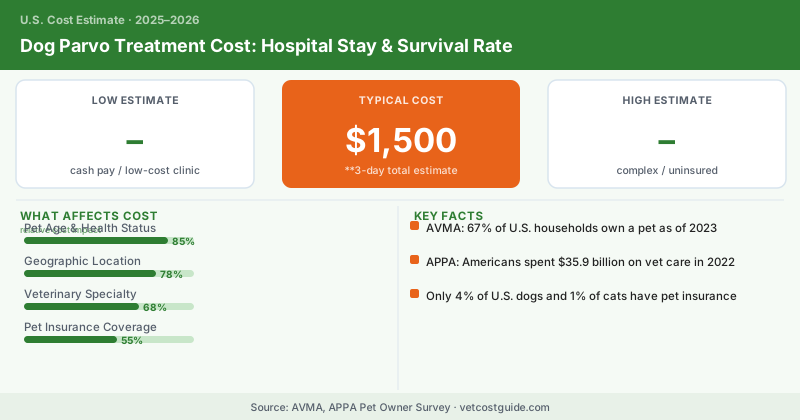
Nine percent. That’s the survival rate for dogs with parvovirus who receive no treatment. With standard hospital care, that number climbs to 68–92%. The difference between those two outcomes is mostly money — and knowing the cost landscape before a diagnosis happens is the kind of information that actually saves dogs’ lives.
What Makes Parvo Treatment So Expensive
Parvovirus destroys the lining of the intestinal tract and suppresses bone marrow function simultaneously. The result: the dog can’t absorb fluids, can’t fight infection, and sheds virus so intensively that it requires isolation from other patients. There’s no antiviral drug that kills parvo. Treatment is entirely supportive — IV fluids to replace what’s being lost, antibiotics to prevent secondary bacterial infections from crossing the damaged gut wall, anti-nausea medications, and close monitoring until the immune system clears the virus on its own. That support has to be continuous, and it typically takes 3–7 days.
The isolation requirement adds cost. Parvo dogs can’t share the general ward because the virus is extraordinarily hardy — it survives in soil for months and requires specific disinfectants to destroy. Dedicated isolation space is staffed and maintained separately, and that cost gets passed on.
The AVMA and CDC both note that unvaccinated puppies under 6 months account for the overwhelming majority of parvo cases. The ASPCA estimates that parvovirus treatment is one of the top five emergency conditions prompting pet owner financial assistance requests.
- Standard hospital treatment: $1,500–$5,000 for 3–7 days
- Outpatient “parvo protocol”: $600–$1,200 (newer approach; not for all cases)
- Survival rate with hospital care: 68–92%
- Survival rate without treatment: ~9%
- Parvo vaccine cost: $15–$35/dose; full puppy series protects against nearly all cases
- Most parvo cases occur in dogs under 6 months who are unvaccinated or incompletely vaccinated
Inpatient Treatment Cost Breakdown
| Service | Cost Range | Notes |
|---|---|---|
| Emergency exam + parvo SNAP test | $150–$300 | SNAP test gives results in 5–10 minutes |
| IV catheter + placement | $75–$150 | One-time |
| IV fluid therapy | $100–$250/day | The core of supportive care |
| Antibiotics (ampicillin, enrofloxacin) | $50–$150/day | To prevent secondary infection |
| Anti-nausea medication | $40–$90/day | Maropitant (Cerenia) most common |
| Nutritional support (NE tube/syringe) | $30–$80/day | Once vomiting controlled |
| Daily bloodwork monitoring | $80–$180/day | CBC to monitor WBC recovery |
| Isolation ward surcharge | $50–$150/day | Required for all parvo cases |
| Hospitalization nursing fee | $100–$250/day | 24-hour monitoring |
| Plasma transfusion (if protein drops) | $300–$800 | One-time; not always needed |
| **3-day total estimate** | **$1,500–$2,800** | Mild-to-moderate case |
| **5–7 day total estimate** | **$3,000–$5,000** | Severe or complicated case |
Outpatient Protocol: A Lower-Cost Alternative
Research published in the Journal of Veterinary Internal Medicine has validated an outpatient treatment protocol for parvo cases in dogs that aren’t severely dehydrated, can still tolerate some oral intake, and have attentive owners who can administer medications at home. The protocol uses subcutaneous fluids, oral anti-nausea medication, and antibiotics — with daily recheck visits rather than continuous hospitalization.
Cost: approximately $600–$1,200 over the course of treatment. The tradeoff is that the dog requires close monitoring at home, the owner must recognize deterioration and return for hospitalization if things worsen, and not every dog qualifies. Severely ill puppies with very low white blood cell counts need inpatient care — the outpatient protocol isn’t a budget shortcut for critical cases.
Do not attempt to treat parvo at home without veterinary guidance. Without proper fluid support and monitoring, dehydration becomes fatal within 24–72 hours. Dogs who appear to improve briefly often crash — the gut damage is still progressing even when vomiting temporarily slows. A vet consultation is essential even if you ultimately pursue an outpatient protocol.
Low-Cost Options & Payment
Some humane societies and shelter medicine programs offer reduced-cost parvo treatment. The Maddie’s Fund and similar organizations have funded free or subsidized parvo hospitalization programs in certain regions. Veterinary school teaching hospitals typically charge 30–50% less than private emergency hospitals for the same standard of care.
Most emergency hospitals accept CareCredit (see our CareCredit for vet bills guide) and Scratchpay. Some clinics also have their own in-house payment plans — see vet payment plans for negotiation strategies that actually work.
Prevention: The Real Math
The DHPP vaccine (which includes parvovirus) costs $22–$42 per dose. Puppies receive a series of 3–4 doses starting at 6–8 weeks, with a booster at 1 year, then every 1–3 years. Total cost to fully vaccinate a puppy through adulthood: roughly $100–$150 over the first 14 months.
Compare that to $1,500–$5,000 in treatment costs, a 68–92% survival rate even with treatment, and the emotional reality of watching a puppy fight for its life for a week. Vaccination is the most cost-effective intervention in veterinary medicine. Parvovirus infection in vaccinated dogs does happen — particularly in immunocompromised animals or those exposed to very high viral loads — but it’s genuinely rare and is the exception, not the rule.
Keep puppies away from dog parks, pet stores, and high-traffic outdoor areas until the vaccine series is complete (typically around 16 weeks). That’s the whole strategy.
Bottom Line
Parvo treatment costs $1,500–$5,000 with standard hospitalization and carries a 68–92% survival rate with aggressive care. An outpatient protocol may cost $600–$1,200 for appropriate candidates. The vaccine that prevents it costs less than $150 for a full puppy series. If you’re facing a parvo diagnosis right now, ask about payment plans and whether your dog is a candidate for the outpatient protocol. If you’re adding a puppy to your household, finishing the vaccine series before public outings is the single most important thing you can do to avoid this situation entirely.
Frequently Asked Questions
Parvo treatment typically costs $1,500–$5,000 for a 3–7 day hospital stay, depending on your location, veterinary clinic, and the severity of your dog's condition. Costs include IV fluids, medications, diagnostics, and 24-hour monitoring, which are essential for survival rates of 68–92%.
Most pet insurance plans cover parvo treatment if your dog was already insured before symptoms appeared, typically reimbursing 70–90% of bills after your deductible. However, many policies exclude coverage if parvo is considered a pre-existing condition or if your dog was unvaccinated at the time of diagnosis.
Parvo treatment requires 3–7 days of hospitalization with IV fluids and medications; home treatment is not recommended because dogs need constant monitoring and medical intervention to survive. Without hospital care, survival rates drop to just 9%, making professional treatment critical for any chance of recovery.