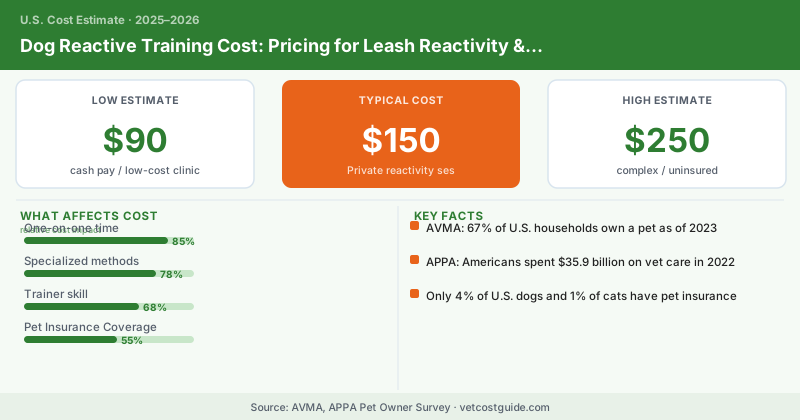
What does it cost to fix a dog that lunges and barks at every dog on the walk? More than a basic obedience class, and there’s a reason for that. Reactivity is an emotional problem, not a manners problem. The dog isn’t being “bad,” it’s over-threshold and scared or frustrated. Fixing it takes specialized, slow, structured work, which is why a full reactive training program lands in the $500 to $1,500 range rather than the cost of a six-week group class.
The Real Cost Breakdown
Reactive work is almost always private, not group, at least to start. You can’t put six reactive dogs in one room.
| Service | Low | Typical | High |
|---|---|---|---|
| Private reactivity session (per visit) | $90 | $150 | $250 |
| Full reactive training package (6–8 sessions) | $500 | $900 | $1500 |
| Reactive dog group class (after threshold work) | $200 | $350 | $550 |
| Day training / board-and-train (reactive) | $1500 | $2800 | $5000 |
| Behaviorist referral (if aggression) | $250 | $400 | $550 |
The single biggest variable is whether your dog is reactive (barks, lunges, recovers) or genuinely aggressive (has bitten or tried to). Aggression cases often get referred to a board-certified behaviorist, which adds the cost of a dog behaviorist consultation on top of the training.
Why It Costs What It Costs
You’re paying for expertise and patience, not reps.
- One-on-one time. Reactive dogs need distance and a controlled setup. That means private sessions, often outdoors, at a real per-hour rate.
- Specialized methods. Counter-conditioning and desensitization (the gold-standard approach the IAABC and veterinary behaviorists recommend) take many short, careful sessions to rewire an emotional response.
- Trainer skill. A trainer who genuinely understands threshold, body language, and timing is worth more than a generalist.
- A full reactive training program typically runs $500–$1,500 over 6–8 private sessions.
- Reactivity (barking, lunging) is treatable with training; true aggression usually needs a behaviorist.
- Board-and-train for reactive dogs is pricey ($1,500–$5,000) and not always the best fit.
- Medication from a vet can lower the dog’s baseline so training actually sticks.
Reactive vs. Aggressive: The Distinction That Sets the Price
This matters for your wallet and your dog’s plan. A reactive dog makes a lot of noise but isn’t trying to do damage. An aggressive dog is. The AVMA notes that dog bites send hundreds of thousands of Americans to emergency rooms every year, so trainers and behaviorists take true aggression seriously, and they price it accordingly because the stakes are higher and the work is slower.
Should You Try Group Classes First?
Sometimes, but usually not at the start. A reactive dog dumped into a group class often just rehearses the reactive behavior and gets worse. Most programs do private threshold work first, then graduate the dog into a small “reactive rover” class once it can stay under threshold. If your dog’s issues are mild, a standard dog training class with a skilled instructor may be enough.
Avoid any trainer promising to “dominate” reactivity out of your dog with shock or prong collars. Veterinary behavior organizations are clear that pain-based methods often intensify fear-driven reactivity and can convert a noisy-but-safe dog into a biting one. If a program leans on aversives, walk away.
Ways to Lower the Bill
- Rule out pain first. A quick vet check matters; dogs in pain are more reactive. Compare what you’d spend at the average vet visit against a full program.
- Learn the protocol, then DIY. Pay for a few private sessions to learn counter-conditioning, then practice daily on your own.
- Ask about meds. A short course of anti-anxiety medication can make every training dollar work harder.
- Finance larger plans. If a behaviorist plus training adds up, CareCredit for vet bills can spread it out.
Is It Worth Paying For?
A reactive dog makes walks miserable and isolates the whole household. Spending $900 over a couple of months to get your dog calm on a leash pays you back every single day for years. Folded into the annual cost of owning a dog, it’s a one-time investment that transforms daily life. Pick a force-free trainer, rule out pain first, and commit to the homework.
Frequently Asked Questions
A complete reactive training program typically costs $500 to $1,500 depending on your location, trainer experience, and program length. This is significantly more than basic obedience classes ($150-$300 for six weeks) because reactivity requires specialized, one-on-one work to address the emotional component of the behavior rather than simple manners training.
Most standard pet insurance policies do not cover behavioral training or training-related expenses, as these are typically classified as preventative or elective services. You will almost always pay out-of-pocket for reactive training programs, though some trainers may offer payment plans to spread the $500-$1,500 cost over several months.
Most full reactive training programs last 8 to 16 weeks, though some intensive programs may be completed in 4-6 weeks with multiple sessions per week. The timeline depends on the severity of your dog's reactivity and how frequently you attend sessions; slower, structured work is essential because reactivity is an emotional issue that cannot be rushed.