Picture this: you grab your keys, and your dog already starts panting and pacing. By the time you’re out the door, the neighbors are texting about the howling, and you come home to a shredded couch cushion. Separation anxiety is one of the most distressing problems a dog owner faces, and it’s surprisingly common. Treating it properly costs $500 to $1,500 with a specialist, and the work is unlike ordinary obedience training. Here’s what you’re actually paying for and why the approach matters so much.
What Treatment Costs
Separation anxiety work is almost entirely remote these days, and for good reason, the dog has to practice being alone.
| Service | Low | Typical | High |
|---|---|---|---|
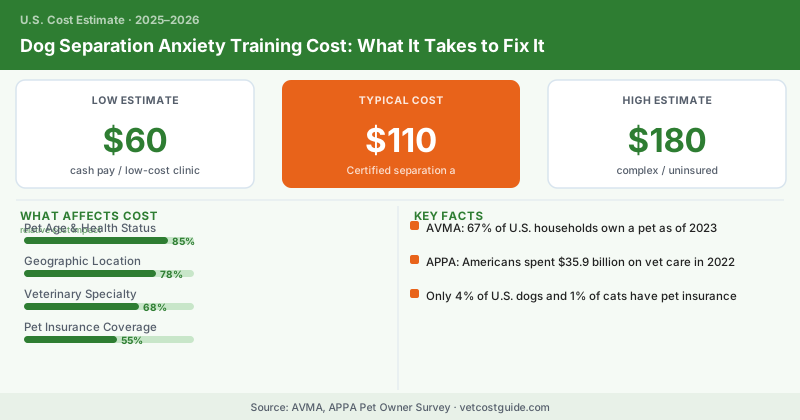
| Certified separation anxiety trainer (per session) | $60 | $110 | $180 |
| Full program (8–12 weeks) | $500 | $900 | $1500 |
| Vet behavior consult (for meds) | $250 | $375 | $550 |
| Anti-anxiety medication (per month) | $15 | $35 | $70 |
| Pet sitter/daycare (interim coverage) | $25 | $50/day | $80/day |
The biggest single expense is the trainer’s program, usually a multi-week package of virtual sessions where you’re coached through daily “departure” exercises. Many cases also involve a vet for medication, which adds the cost of a behavior consult on top.
Why It’s Not Regular Training
This trips up a lot of owners. You can’t fix separation anxiety with sit, stay, and a clicker. It’s a panic disorder, not a discipline problem, the dog isn’t misbehaving, it’s terrified of being alone. The proven approach is gradual desensitization: starting with absences of seconds and slowly, methodically building up to longer periods, never letting the dog tip into panic. It’s painstaking, which is why it takes weeks and why a specialist’s coaching is worth the money. For garden-variety manners, ordinary dog training is far cheaper, but it won’t touch true separation anxiety.
- A full separation anxiety program typically costs $500–$1,500 over 8–12 weeks.
- It’s treated with gradual desensitization, not standard obedience training.
- Many cases also need anti-anxiety medication from a vet ($15–$70/month).
- Interim daycare or sitters add cost but prevent the dog rehearsing panic alone.
The Role of Medication
For moderate-to-severe cases, medication isn’t a crutch, it’s often what makes the training possible. Drugs like fluoxetine lower the dog’s baseline anxiety enough that the desensitization exercises can actually work. A board-certified behaviorist or your regular vet prescribes it; generic versions are inexpensive. If your case is severe, factor in a dog behaviorist consultation alongside the training. Skipping meds in a severe case often means months of stalled progress and wasted training dollars.
Why Acting Early Saves Money
The AVMA notes that behavior problems, including separation-related issues, are a leading reason dogs end up surrendered to shelters. Left untreated, separation anxiety tends to worsen, more destruction, more noise complaints, more risk the dog hurts itself trying to escape. The interim costs add up too: emergency crating, replaced furniture, daycare to avoid leaving the dog alone. Spending on a real program early is almost always cheaper than years of damage and stress.
Don’t fall for “just let them cry it out” or punishment-based advice for separation anxiety. Flooding a panicking dog with the very thing it fears, and punishing the fallout, makes the disorder worse and can be dangerous. Every credible behavior organization recommends gradual, force-free desensitization. If a trainer suggests otherwise, find a different one.
Keeping the Cost Down
- Rule out medical issues first. Pain or illness can mimic or worsen anxiety; a quick average vet visit is money well spent up front.
- Choose a certified specialist (CSAT or similar). They’re efficient because they do only this; that focus saves wasted sessions.
- Bridge with daycare temporarily. It costs money, but it stops the dog practicing panic while you train.
- Finance the program if needed. A specialist plus meds can be spread out with CareCredit for vet bills.
Is It Worth It?
Living with a dog that panics every time you leave is exhausting for both of you. Spending $900 over a couple of months to give your dog calm and yourself freedom pays off every single day after. Set against the annual cost of owning a dog, it’s a targeted investment that genuinely changes life at home. Start with a vet check, hire a certified specialist, and commit to the daily homework, that combination is what works.
Frequently Asked Questions
Professional separation anxiety training typically costs $500 to $1,500 with a certified specialist, depending on your location and the severity of your dog's condition. Some trainers charge $50–$150 per session, with most dogs requiring 8–12 sessions over several weeks to show meaningful improvement.
Most standard pet insurance plans do not cover behavioral training, including separation anxiety work, as it's classified as preventive care rather than treatment of illness or injury. You'll typically pay out-of-pocket for the full cost, though some accident-and-illness policies may cover veterinary-prescribed behavioral medication if needed alongside training.
Most dogs show noticeable improvement within 4–8 weeks of consistent training with a specialist, though complete resolution can take 3–6 months depending on the severity. The process involves gradual desensitization to your departure and may include counterconditioning exercises you'll practice at home between professional sessions.