A dog bitten by a rattlesnake can go from sniffing the brush to swelling, crying, and barely breathing in under an hour. It’s a genuine emergency. The AVMA notes that venomous snakebites in dogs occur most frequently in the southern and western United States, with peak incidence from April through October. The cost of treatment hinges almost entirely on one question: was it venomous?
Here’s the full cost picture, so you’re not guessing when it matters.
Cost by Bite Type
| Bite Type | Low | Typical | High |
|---|---|---|---|
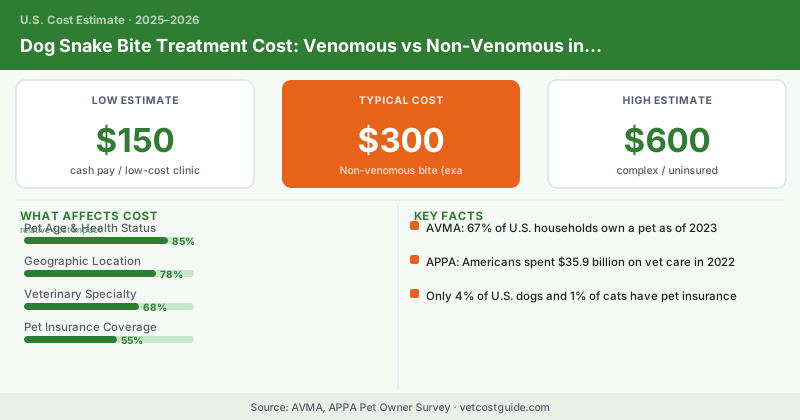
| Non-venomous bite (exam + antibiotics) | $150 | $300 | $600 |
| Venomous bite — mild (no antivenin) | $300 | $700 | $1,500 |
| Venomous bite — moderate (1–2 vials antivenin) | $800 | $2,000 | $3,500 |
| Venomous bite — severe (3+ vials antivenin + ICU) | $2,500 | $4,000 | $8,000 |
| After-hours emergency markup | $100–$300 | added to above | — |
What Antivenin Actually Costs
Antivenin (antivenom) is the single biggest line item for venomous bites. Crotalidae Polyvalent Immune Fab (CroFab) is the most commonly used product for pit viper bites (rattlesnakes, copperheads, cottonmouths) in the US. Each vial runs $400–$800 at cost to the clinic; by the time it reaches your invoice, one vial is $600–$1,200.
Severe bites may require 3–6 vials. That’s a $1,800–$7,200 antivenin bill before you add diagnostics, fluids, hospitalization, and monitoring. Coral snake bites use a different antivenin (North American Coral Snake Antivenin), which is in limited supply and can cost even more where available.
What the ER Visit Covers Beyond Antivenin
Your snake bite ER invoice will typically include:
- Emergency exam fee: $100–$200
- IV catheter placement and fluid therapy: $150–$400
- Bloodwork (clotting factors, CBC, chemistry): $150–$350
- Radiographs (if bite is near the chest): $100–$250
- Pain management and anti-nausea medication: $80–$200
- Hospitalization (12–48 hrs for severe bites): $300–$1,500
- Wound care and bandaging: $100–$350
- Diphenhydramine (to reduce antivenin reaction risk): $20–$50
Do not try to suck out venom, apply a tourniquet, cut the wound, or apply ice. None of these help — they all make outcomes worse. Don’t drive the speed limit either: get to an emergency vet within 30 minutes if at all possible. Time is the variable most correlated with survival and lower treatment cost.
Copperhead vs. Rattlesnake: Does the Species Matter?
Yes — significantly. Copperhead bites are the most common venomous snake bites in the eastern US, but copperhead venom is less potent than rattlesnake venom. Many copperhead bites in dogs can be managed with supportive care (fluids, pain management, monitoring) without antivenin, keeping total costs in the $500–$1,500 range. Rattlesnake bites — especially from Western Diamondback, Timber, or Mojave rattlesnakes — are more likely to cause severe coagulopathy, tissue necrosis, and systemic collapse requiring full antivenin treatment.
Coral snake bites are rare but carry a different mechanism (neurotoxic rather than hemotoxic) and require a different antivenin that is sometimes in short supply.
The Rattlesnake Vaccine: Does It Help?
The Crotalus atrox (Western Diamondback) toxoid vaccine is available and marketed as reducing the severity of pit viper bites. It costs $25–$50 per dose and requires two initial doses plus annual boosters. Research on its effectiveness is mixed — it doesn’t prevent a bite, and studies don’t consistently show it eliminates the need for antivenin. Most emergency vets say vaccinated dogs still require treatment; they just may need slightly less antivenin and have better early outcomes.
For dogs in rattlesnake-dense areas (Arizona, Texas, Colorado mountain regions), the vaccine makes sense as part of a risk-reduction strategy, not as a substitute for emergency care readiness.
Most pet insurance policies cover emergency snake bite treatment as an accident/illness benefit — it’s not excluded. If you live in a region with venomous snakes and your dog spends time outdoors, this is one of the strongest arguments for an accident-and-illness policy. A $350–$600/year policy could save you $3,000–$6,000 on a severe rattlesnake bite event.
After the Hospital: Ongoing Wound Care
Pit viper bites frequently cause tissue necrosis — the venom destroys cells at the bite site. Wound care after discharge involves cleaning, bandage changes ($50–$150 per visit), and sometimes surgical debridement of necrotic tissue ($300–$800). Budget $200–$600 in follow-up care beyond the initial ER bill, and plan for 1–3 recheck visits over 2–4 weeks.
Facial and muzzle bites (the most common site, since dogs investigate with their nose) carry a higher risk of airway swelling. A dog whose muzzle is swelling rapidly may need airway support — tell the ER vet immediately if breathing sounds labored.
Frequently Asked Questions
Venomous snake bite treatment typically costs $500–$5,000 or more, depending primarily on antivenin administration and hospitalization length. The antivenin itself can account for $500–$2,000 of that total, with additional charges for emergency care, diagnostics, and ICU monitoring if your dog requires overnight observation.
Most pet insurance plans cover snake bite treatment as an accident or emergency, but coverage varies by policy and deductible—expect 70–90% reimbursement after you meet your deductible, which typically ranges from $250–$1,000. Some policies exclude certain treatments or cap annual payouts, so review your specific plan or call your provider before an incident occurs.
A dog bitten by a venomous snake should receive emergency care within 2–4 hours, as symptoms like swelling, difficulty breathing, and tissue damage can worsen rapidly within the first hour. Antivenin is most effective when administered early, so any suspected venomous bite warrants immediate veterinary evaluation, even if your dog appears relatively stable.