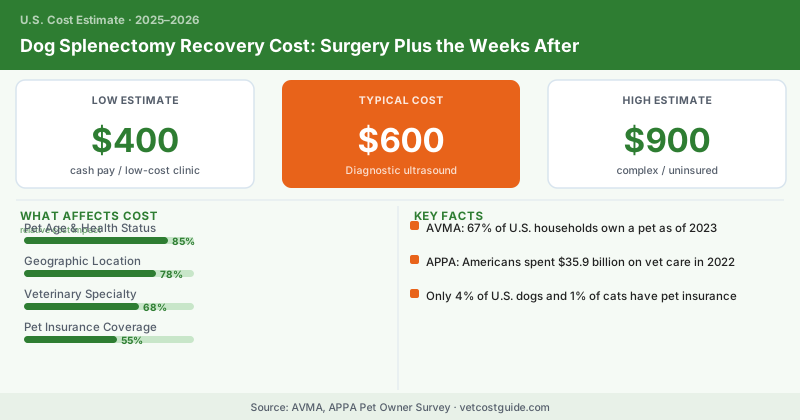
In 2010 a splenectomy at a general practice might’ve run you $1,500. Today, with specialty surgeons, modern monitoring, and overnight ICU care, the all-in cost — surgery plus recovery — sits between $2,500 and $7,000. The recovery half of that equation is the part most owners forget to budget for.
A splenectomy removes the entire spleen, usually because of a tumor or a bleeding mass. The surgery itself is one bill. The transfusion, the hospital nights, the recheck imaging, and the pathology that tells you whether the mass was cancer — those add up after you’ve left the operating room.
- Planned splenectomy: $2,500–$4,500 all-in
- Emergency splenectomy (active bleeding, possible transfusion): $4,000–$7,000+
- Histopathology to identify the mass: $150–$400
- Roughly two-thirds of splenic masses in dogs are malignant, often hemangiosarcoma, per veterinary oncology data — biopsy is what tells you for sure
- The American College of Veterinary Surgeons notes that emergency splenectomies for ruptured masses carry higher costs and risks than scheduled procedures
- Large breeds — German Shepherds, Golden Retrievers, Labs — are most commonly affected
What the Whole Episode Costs
| Item | Low | High | Typical |
|---|---|---|---|
| Diagnostic ultrasound + X-rays | $400 | $900 | $600 |
| Pre-op blood work + clotting | $200 | $500 | $300 |
| Surgery (splenectomy) | $1500 | $3500 | $2200 |
| Anesthesia + monitoring | $400 | $1000 | $650 |
| Hospitalization (1–4 days) | $400 | $2000 | $1000 |
| Blood transfusion (if needed) | $400 | $1200 | $700 |
| Histopathology | $150 | $400 | $250 |
| Post-op meds + recheck | $150 | $500 | $300 |
The Recovery Costs People Miss
The surgery gets the attention, but recovery is where surprises live. A dog that lost a lot of blood before surgery may need a transfusion, which alone can add $700. Most dogs spend at least one night hospitalized; unstable ones stay three or four, and each night carries monitoring fees.
Then there’s the follow-up. You’ll likely return for a dog blood work recheck to confirm the values have recovered, and possibly repeat dog x-ray imaging if cancer is on the table. Pain medication, an e-collar, and restricted activity round out the first two weeks.
Why the Biopsy Matters So Much
Here’s the hard truth owners face. The surgery removes the spleen and stops the bleeding — but only the biopsy tells you what you’re dealing with. If the mass is benign (a hematoma or a benign tumor), the splenectomy may be curative and your dog goes on living normally. If it’s hemangiosarcoma, the most common malignant splenic tumor, the conversation shifts to prognosis and possible dog cancer treatment.
That uncertainty is emotionally brutal, and it’s why the $250 pathology fee is money well spent — it directs everything that comes next.
Paying for an Unplanned Surgery
A bleeding splenic mass is often an emergency. One day your dog seems fine; the next, they collapse with pale gums from internal bleeding, and you’re staring at a pet emergency surgery cost estimate. There’s rarely time to shop around.
Owners typically cover it through:
- Pet insurance, if it was in place beforehand — see our is pet insurance worth it breakdown for which plans cover cancer-related surgery
- CareCredit for vet bills for immediate financing
- Specialty hospital payment arrangements
A standard average vet visit gives no hint of what a major abdominal surgery costs, which is exactly why having a financial plan before an emergency matters.
Watch For These Signs
Splenic masses often grow silently until they rupture. Sudden weakness, collapse, pale gums, a distended belly, or rapid breathing are red flags that warrant an immediate ER visit. In older large-breed dogs, even vague lethargy and a swollen abdomen deserve a same-day ultrasound — catching a mass before it ruptures turns an emergency into a planned, cheaper, safer surgery.
Frequently Asked Questions
A complete dog splenectomy including surgery and recovery typically costs $2,500 to $7,000, with emergency cases involving bleeding masses at the higher end of that range. The surgery itself is only part of the bill; post-operative care including hospital stays, blood transfusions, and monitoring can account for 40–50% of the total cost.
Most pet insurance plans cover splenectomy if the condition is not pre-existing, though coverage varies by policy and provider. You should expect to pay 10–30% out-of-pocket after insurance, depending on your deductible and coverage limits, unless your plan caps reimbursement at a lower percentage.
Most dogs stay in the hospital for 2–4 days post-surgery for monitoring and pain management, then recover at home over 2–4 weeks with restricted activity and follow-up visits. Full return to normal activity typically takes 4–6 weeks, during which you should limit exercise and monitor the surgical site for infection.