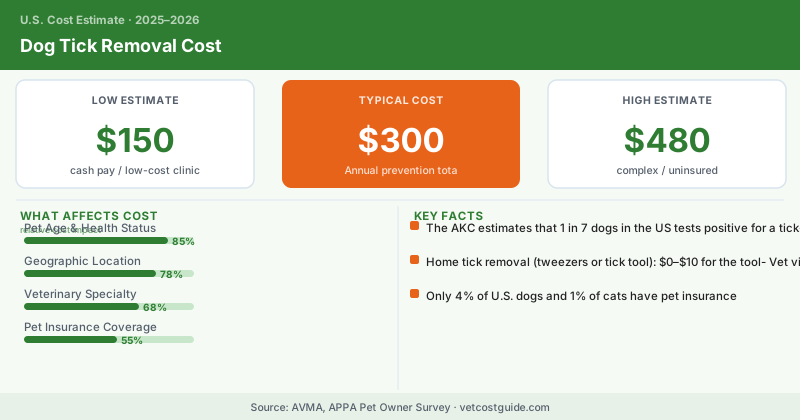
Pull the tick off. Wash the area. Done — right? Not always. Ticks are more than a nuisance you tweezer out and forget. The AKC estimates that 1 in 7 dogs in the US tests positive for a tick-borne disease, and the AVMA reports that Lyme disease, anaplasmosis, and ehrlichiosis together cost American dog owners more than $800 million annually in treatment and prevention. The removal itself is cheap. It’s everything that can follow that adds up.
- Home tick removal (tweezers or tick tool): $0–$10 for the tool
- Vet visit for tick removal: $50–$150 (recommended when deeply embedded or you’re unsure)
- Tick-borne disease panel (4Dx test): $50–$150
- Lyme disease treatment (doxycycline, 4-week course): $30–$80 for medication
- Monthly tick prevention: $15–$60/month ($150–$700/year depending on product)
- AKC: 1 in 7 US dogs tests positive for a tick-borne disease
- Prevention costs a fraction of treating the diseases ticks carry
Tick Removal Cost Breakdown
| Service | Low | Average | High |
|---|---|---|---|
| Tick removal tool (home use) | $0 | $5 | $10 |
| Vet exam + tick removal (embedded) | $50 | $90 | $150 |
| 4Dx tick-borne disease panel | $50 | $80 | $150 |
| Doxycycline (4-week Lyme treatment) | $30 | $50 | $80 |
| Monthly topical prevention (per month) | $15 | $25 | $40 |
| Oral prevention (e.g. Bravecto, NexGard, per month) | $20 | $35 | $60 |
| Tick collar (Seresto, annual) | $40 | $55 | $70 |
| Annual prevention total (topical) | $150 | $300 | $480 |
| Annual prevention total (oral) | $240 | $420 | $700 |
Can You Remove a Tick at Home?
Yes — and for most ticks, you should. The process is straightforward:
- Use fine-tipped tweezers or a dedicated tick removal tool (these run $4–$10 at any pet store)
- Grasp the tick as close to the skin as possible
- Pull upward with steady, even pressure — no twisting or jerking
- Clean the bite area with rubbing alcohol
- Dispose of the tick in alcohol, a sealed bag, or flush it down the toilet
The goal is removing the tick whole, head intact. A tick that’s been on your dog fewer than 24 hours has very low transmission risk for most tick-borne diseases — Lyme-causing Borrelia burgdorferi typically requires 36–48 hours of attachment to transmit.
Don’t use petroleum jelly, nail polish, or heat. These old remedies can cause the tick to regurgitate — which actually increases disease transmission risk.
When to See a Vet Instead
Some situations warrant skipping the DIY route:
- The tick is deeply embedded and you can’t grasp it cleanly near the skin
- You’re not confident you removed the entire tick (including the head)
- Your dog is showing symptoms — fever, lethargy, limping, loss of appetite — within days to weeks of a tick bite
- The bite site looks infected — redness spreading outward, swelling, discharge
A vet visit for tick removal typically runs $50–$150 including the exam. That’s not excessive when the alternative is guessing wrong and leaving mouth parts behind.
The Real Cost: Testing and Disease Treatment
This is where tick costs escalate. Removing the tick is almost always cheap. Treating what it leaves behind is not.
The 4Dx panel is a blood test that screens for Lyme disease, heartworm, anaplasmosis, and ehrlichiosis simultaneously. Most vets run it annually at your dog’s wellness visit — cost is $50–$150 depending on your region. If your dog was bitten and you want peace of mind, this is money well spent.
Lyme disease treatment, if caught early, is typically a 4-week course of doxycycline — an inexpensive antibiotic that runs $30–$80. Caught late, Lyme can cause kidney damage (Lyme nephritis) in susceptible breeds like Labs, Golden Retrievers, and Shetland Sheepdogs. Kidney disease treatment runs into thousands of dollars. Early detection changes everything.
Ehrlichiosis and anaplasmosis are also treated with doxycycline, with similar medication costs — but if they progress to the chronic phase, treatment is more intensive and outcomes worse.
Don’t wait for symptoms before acting. Many tick-borne diseases have a weeks-long incubation period, and dogs often don’t show obvious signs until they’re significantly ill. If you live in a tick-endemic area, ask your vet about the 4Dx panel at every annual visit — not just after a known bite.
Tick Prevention: The Cheapest Tick Bill You’ll Have
The AVMA recommends year-round tick prevention in most US regions, not just during warm months. Ticks are active whenever temperatures exceed 35–40°F, which in many states means 10–12 months a year.
Your main options:
Oral medications (NexGard, Simparica, Bravecto) kill ticks that bite before they can transmit disease. Bravecto lasts 12 weeks; NexGard and Simparica are monthly. Cost: $20–$60 per dose. These require a prescription.
Topical spot-ons (Frontline Plus, K9 Advantix II) are applied monthly between the shoulder blades. Cost: $15–$40/month.
Collars (Seresto) provide 8-month protection from a single collar. Cost: $40–$70. Good for dogs whose owners struggle with monthly compliance.
You can mix approaches — a collar plus a monthly oral, for example — but check with your vet before combining products. Some combinations are redundant; a few are contraindicated.
Annual prevention math: Spending $150–$700 per year on prevention versus $500–$5,000 treating a tick-borne disease isn’t a close comparison. Prevention wins every time.
Does Pet Insurance Cover Tick Removal and Treatment?
Tick removal itself is typically not covered as a standalone procedure — it’s too minor. But tick-borne disease treatment falls under illness coverage in most comprehensive plans, meaning an 80–90% reimbursement after your deductible applies to Lyme disease or ehrlichiosis treatment. If you live in New England, the Mid-Atlantic, or the Upper Midwest — all high-Lyme regions — pet insurance makes particular sense. Check that the policy doesn’t exclude tick-borne conditions as “preventable illness.”
The Bottom Line
Removing a tick at home costs $0–$10 and takes 30 seconds. A vet visit for an embedded tick runs $50–$150. Where the real money comes in is the disease testing ($50–$150 for the 4Dx panel) and treatment if something’s been transmitted ($30–$80 for Lyme medication when caught early; far more when caught late). Year-round prevention at $150–$700 annually is the most cost-effective approach by a wide margin. Don’t skip it because summer is over — ticks don’t get that memo.
Frequently Asked Questions
A veterinary tick removal typically costs $50–$150 depending on your location and whether additional services like testing or prevention are included. If the vet needs to test the tick for diseases like Lyme disease or anaplasmosis, expect to pay an extra $50–$100 for lab work.
Most standard pet insurance plans do not cover preventive care like tick removal, though some accident-and-illness policies may cover treatment of tick-borne diseases after diagnosis. You'll typically pay out-of-pocket for removal and testing ($0–$150), though prevention medications (flea and tick treatments) may be partially reimbursed if listed in your plan.
Yes, you can safely remove a tick at home using fine-tipped tweezers: grasp the tick as close to the skin as possible, pull straight out without twisting, and disinfect the area with rubbing alcohol or soap and water. After removal, monitor your dog for signs of tick-borne illness (lethargy, fever, joint pain) over the next 1–2 weeks, and consider asking your vet about tick testing if you're in a high-risk area.