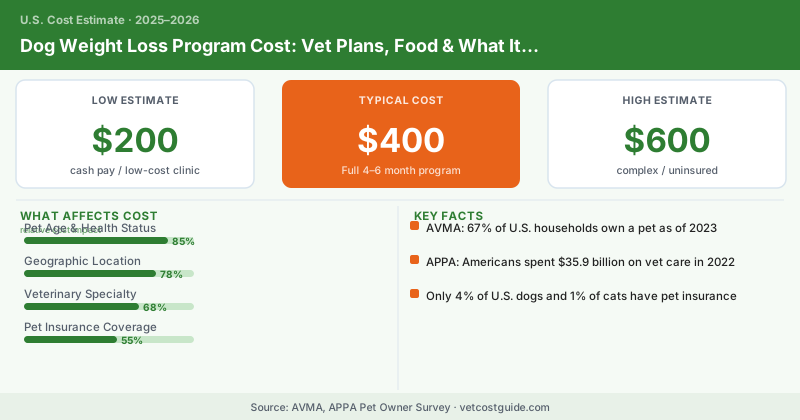
More than half of U.S. dogs are overweight or obese. The Association for Pet Obesity Prevention has put that figure north of 50 percent for years running, which means the “chubby” dog is now the average dog. If your vet has gently suggested a weight loss plan, you’re in very common company, and the good news is it’s one of the most affordable interventions in veterinary medicine. A structured program usually runs $200 to $600 spread over several months. Here’s where that money goes and why it pays you back.
The Cost of a Structured Program
A real weight loss program is more than “feed less.” Here’s the typical spend.
| Component | Low | Typical | High |
|---|---|---|---|
| Initial weight-loss consult | $50 | $85 | $150 |
| Prescription weight-management food (per month) | $40 | $70 | $110 |
| Weigh-in rechecks (each, often free–low) | $0 | $25 | $50 |
| Bloodwork to rule out thyroid issues | $80 | $140 | $250 |
| Full 4–6 month program (total) | $200 | $400 | $600 |
The biggest recurring line is the food. Prescription weight-management diets are designed to keep your dog feeling full on fewer calories, which beats just cutting portions of regular food and leaving the dog hungry and begging.
Why a Vet Plan Beats Winging It
You could just feed less on your own, and for a mildly chubby dog that sometimes works. But a vet program does three things DIY can’t:
- Rules out medical causes. Hypothyroidism and other conditions cause weight gain. A quick blood panel catches them so you’re not dieting a dog with a treatable disease.
- Sets a safe target. Crash dieting a dog, especially a cat, can be dangerous. The vet sets a realistic weekly loss rate.
- Tracks progress. Regular weigh-ins keep it honest and let the vet adjust portions.
For the deeper clinical side of this, the dedicated dog obesity and weight management guide covers the medical detail.
- A vet-guided weight loss program typically costs $200–$600 over 4–6 months.
- Prescription food is the biggest recurring cost, but it keeps the dog satisfied on fewer calories.
- Bloodwork rules out thyroid and other medical causes of weight gain.
- Reaching a healthy weight can prevent thousands in arthritis, diabetes, and surgery costs later.
The Money You Save Later
This is where the program pays for itself. Obesity in dogs is linked to arthritis, diabetes, heart disease, and a shorter lifespan. A landmark lifelong study found lean-fed dogs lived roughly two years longer than their overweight littermates. Translate that into dollars: an arthritic dog may need years of joint medication, an obese dog faces higher anesthesia risk for any future surgery, and canine diabetes means insulin and monitoring for life. Spending $400 now to avoid that is one of the best trades in pet care.
How to Keep the Program Affordable
- Measure, don’t eyeball. A cheap measuring cup is the single most effective weight-loss tool. Free-feeding wrecks any plan.
- Cut the treats, not the love. Swap calorie-dense treats for green beans or a few pieces of the dog’s measured kibble.
- Walk it off. Exercise costs nothing and speeds results. Build up slowly with a heavy or arthritic dog.
- Ask about generic diets. Some over-the-counter “healthy weight” foods work for milder cases at a lower price than prescription.
Don’t crash-diet your pet, and never put a cat on a sudden fast. Cats that stop eating can develop hepatic lipidosis, a serious and expensive liver condition. Weight loss should be gradual and vet-supervised, especially for cats and dogs with existing health issues.
Is It Worth It?
For a few hundred dollars and some discipline, you can add years to your dog’s life and dodge the much larger bills that come with obesity-related disease. Folded into the annual cost of owning a dog, a weight loss program is cheap preventive medicine. Talk to your vet at your next average vet visit, get a target weight, and start measuring meals this week.
Frequently Asked Questions
A structured dog weight loss program typically costs $200 to $600 total, spread across several months of veterinary oversight and dietary management. This usually includes initial assessments, prescription or therapeutic food, and periodic check-ins to monitor progress, making it one of the more affordable preventive care options in veterinary medicine.
Most standard pet insurance plans do not cover weight loss programs or the associated prescription diets, as they are considered preventive or wellness care rather than treatment for acute illness. However, some premium wellness add-ons may partially reimburse veterinary visits (typically $100-$300 annually), so check your specific policy for coverage details.
Most vet-guided weight loss programs span 3 to 6 months, with regular weigh-ins and dietary adjustments every 4 to 8 weeks to track progress safely. Healthy weight loss for dogs is generally 1 to 2 percent of body weight per week, so a dog losing 20 pounds may require 4 to 5 months of consistent management.