What’s the difference between a wellness plan and pet insurance? Most dog owners can’t answer that — and clinics offering wellness plans quietly count on that confusion.
A wellness plan is a prepaid preventive care package sold by your vet clinic. Pet insurance reimburses you for unexpected illness and injury. They’re completely different products, and mixing them up is one of the most common financial mistakes pet owners make.
Here’s what wellness plans actually include, what they cost, and when the math works in your favor.
- Basic wellness plan (exams + core vaccines): $20–$45/month ($240–$540/year)
- Comprehensive wellness plan (exams + vaccines + lab work): $45–$80/month ($540–$960/year)
- Puppy wellness package (first year): $300–$600 for the plan; à la carte costs often $500–$900
- Banfield Optimum Wellness Plan: $23–$62/month depending on tier and location
- VCA Care Club: $30–$70/month
Wellness Plan Cost by Tier
| Plan Type | Monthly Cost | Annual Cost | Typical Inclusions |
|---|---|---|---|
| Basic (puppy/kitten) | $30–$55 | $360–$660 | 2–3 exams, core vaccines, deworming |
| Basic (adult dog) | $20–$40 | $240–$480 | 1 annual exam, core vaccines, heartworm test |
| Comprehensive (adult) | $40–$65 | $480–$780 | Exam, vaccines, annual bloodwork, urinalysis |
| Senior dog plan | $50–$80 | $600–$960 | 2 exams, vaccines, full bloodwork, thyroid |
| Banfield Essential Wellness | $23–$35 | $276–$420 | Varies by location; check banfield.net |
| VCA Care Club (adult) | $35–$55 | $420–$660 | Varies by location and dog age |
What Wellness Plans Typically Include
Plans vary by clinic, but most cover a predictable set of preventive services:
Core inclusions:
- Annual wellness exam (or 2 exams for puppies and seniors)
- Core vaccines: DA2PP (distemper, adenovirus, parvovirus, parainfluenza) and rabies
- Lifestyle vaccines when appropriate: Bordetella, leptospirosis, Lyme
- Annual heartworm test
- Fecal parasite exam
Comprehensive tier adds:
- CBC and blood chemistry panel
- Urinalysis
- Dental discount (typically 10–20% off dental cleanings)
- Sometimes: flea/tick prevention discounts, microchipping
What wellness plans virtually never cover:
- Illness visits
- Injuries
- Prescription medications
- Dental cleanings (they may discount them, but don’t cover the full cost)
- Specialist referrals
- Emergency care
This is the crucial distinction. A dog who blows out his ACL on month 3 of a wellness plan is still paying $5,000–$7,000 out of pocket for TPLO surgery.
Does the Math Work Out?
Let’s run the actual numbers for an adult dog:
À la carte preventive care costs:
- Annual wellness exam: $50–$90
- DA2PP booster: $20–$40
- Rabies vaccine: $15–$30
- Bordetella: $20–$35
- Leptospirosis: $25–$40
- Heartworm test: $35–$60
- Fecal exam: $25–$45
Total à la carte: roughly $190–$340
A basic wellness plan at $30/month ($360/year) is borderline — you might break even or come out slightly behind on preventive care alone, unless you factor in the convenience and the dental discount.
A comprehensive plan at $55/month ($660/year) that also includes bloodwork ($100–$200 value) and urinalysis ($40–$80) looks better. If you’d get that bloodwork done anyway, the math can favor the plan.
The math definitely favors plans for puppies. First-year puppy vaccinations require 3–4 visit series totaling $300–$500 à la carte. A puppy wellness plan at $40–$55/month for the first year ($480–$660) often comes close to covering the actual cost — and includes exam fees at each visit.
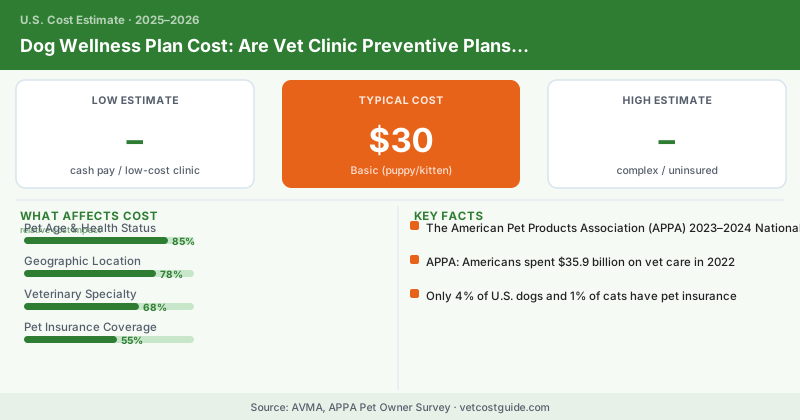
The American Pet Products Association (APPA) 2023–2024 National Pet Owners Survey found that routine veterinary expenses account for roughly $300–$400 of the average dog owner’s annual vet spending. A $240–$360 basic plan often represents solid value for owners who would otherwise skip preventive visits due to cost uncertainty.
Wellness plans are not insurance. They don’t protect you from the $3,000 emergency visit or the $8,000 cancer treatment. If you’re choosing between a wellness plan and pet insurance and can only afford one — get the pet insurance. The annual wellness costs are predictable and can be budgeted. A torn ligament or a cancer diagnosis cannot. Many owners benefit from having both, but wellness plans should never substitute for insurance coverage.
The Commitment Problem
Wellness plans are typically annual contracts — sometimes auto-renewing. If you sign up in January and your dog dies in June, or you move to a different city away from that clinic chain, you’ve typically paid for services you can’t use.
Read the cancellation terms before signing. Ask:
- Can I use this at any location (for chains like Banfield/VCA)?
- What happens if my pet dies or I need to cancel mid-year?
- Are unused services refunded or forfeited?
- Does the plan auto-renew and what’s the notice period?
Banfield’s plans, for example, require a 30-day written cancellation notice and charge you any services used at full price minus plan fees if you cancel early in some circumstances.
Wellness Plans vs. Pet Insurance: Which to Choose
| Feature | Wellness Plan | Pet Insurance |
|---|---|---|
| Covers preventive exams | Yes | Usually no (unless add-on rider) |
| Covers illness/injury | No | Yes |
| Covers emergencies | No | Yes |
| Monthly cost | $20–$80 | $25–$100+ |
| Annual deductible | None | $100–$500 |
| Predictable savings | Yes | Uncertain (depends on claims) |
| Best for | Owners who want predictable costs | Owners who want catastrophic protection |
For most dog owners, pet insurance delivers far more financial protection than a wellness plan. The wellness plan is a nice-to-have if you can afford both. It’s not a substitute.
Frequently Asked Questions
Dog wellness plans typically cost $30–$80 per month, or $300–$900 annually, depending on your vet clinic and your dog's age and health status. This prepaid package usually covers routine preventive care like annual exams, vaccinations, and basic lab work, but does not cover unexpected illness or injury treatment.
A wellness plan is a prepaid preventive care package sold directly by your vet clinic that covers routine services like exams and vaccines. Pet insurance, by contrast, reimburses you for unexpected illness and injury—they are completely separate products with different purposes, and many dog owners confuse them.
A wellness plan may save money if your dog needs regular preventive care (annual exams, vaccines, and lab work), but it's most worthwhile for older dogs or those with chronic conditions that require frequent vet visits. Young, healthy dogs that only need basic annual care might come out ahead by paying for visits and vaccines à la carte rather than committing to a monthly fee.