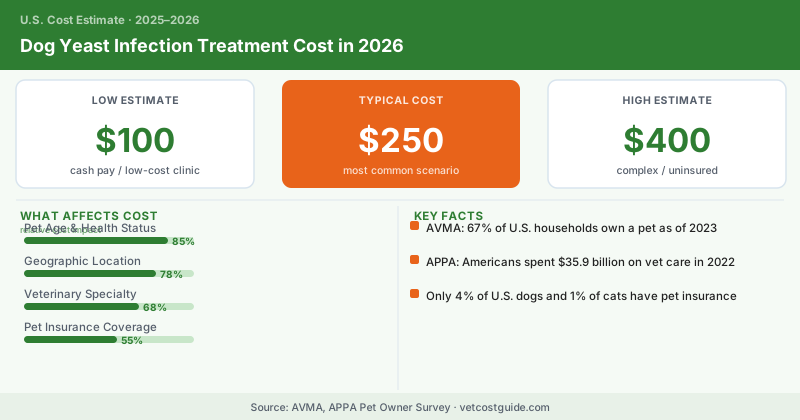
That $180 vet bill for your dog’s itchy, smelly ears is pretty typical — and honestly, it’s the cheap version. Dog yeast infections, caused by an overgrowth of a fungus called Malassezia that normally lives harmlessly on the skin, cost $100–$400 to treat in a straightforward case, but chronic or allergy-driven infections can run $500–$1,000 or more once you add in the workup needed to find out why they keep coming back.
Malassezia pachydermatis is normal skin flora on every dog. Problems start when something disrupts the skin’s balance — allergies, excess moisture, or a weakened immune barrier — and lets the yeast multiply out of control. Breeds like Cocker Spaniels, Basset Hounds, West Highland White Terriers, and Shih Tzus are particularly prone due to their skin folds and ear conformation.
What a single episode costs
| Service | Low Cost | High Cost | Notes |
|---|---|---|---|
| Exam + cytology | $60 | $120 | Confirms yeast under microscope |
| Ear cleaning | $30 | $60 | If ears are affected |
| Topical/oral antifungal | $25 | $100 | 1–4 week course |
| Total single episode | $100 | $280 | Uncomplicated case |
Cytology — where the vet takes a quick skin or ear swab and examines it under a microscope — is the key diagnostic step here, and it’s a good sign if your vet insists on it rather than just prescribing a cream. Yeast and bacterial infections look and smell similar but need different medications, so skipping this step often means paying for the wrong treatment first.
- A single yeast infection episode typically costs $100–$280 to diagnose and treat.
- Chronic, recurring cases tied to allergies can cost $500–$1,000+ once you add allergy testing.
- Cytology confirms yeast versus bacteria — don’t skip this diagnostic step.
- Breeds with skin folds or floppy ears are at higher risk for recurrence.
Why recurring cases cost so much more
If your dog gets yeast infections two, three, or more times a year, the yeast itself usually isn’t the real problem — it’s a symptom of something else going on with the skin barrier. The most common underlying cause is allergies, whether environmental (pollen, dust mites) or food-related, and identifying the trigger typically involves allergy testing ($200–$700), a diet elimination trial (8–12 weeks of prescription food, $60–$150/month), or both.
Treating the yeast over and over without addressing the underlying allergy or skin condition is one of the most expensive mistakes dog owners make. You’ll keep paying for antifungal medication every few months indefinitely instead of solving the actual problem. If your dog has had three or more yeast infections in a year, ask your vet about a full dermatology workup rather than another round of cream.
For dogs with confirmed environmental allergies driving chronic yeast overgrowth, ongoing management with medications like Apoquel or Cytopoint (roughly $50–$100/month) alongside medicated baths can significantly reduce flare-up frequency, cutting down on repeat vet visits over time.
Ear infections versus skin infections
Yeast otitis (ear infections) tend to be cheaper to treat per episode — usually $100–$200 — because they’re localized and respond well to topical ear medication. Widespread skin yeast infections covering larger areas of the body take longer to clear, often need oral antifungals like ketoconazole or fluconazole for several weeks, and run closer to $200–$400 per episode, sometimes more if bacterial infection has set in alongside the yeast.
Bottom line
Budget $100–$280 for a first-time, localized yeast infection. If it’s the third or fourth time this year, the smarter financial move is a dermatology workup to find the underlying allergy — spending $200–$700 upfront on testing often saves you money compared to an endless cycle of $150 treatment visits every few months.
Frequently Asked Questions
A distinct musty, slightly sweet or 'corn chip' odor is the classic sign of Malassezia yeast overgrowth, especially in the ears or on the paws. If your dog smells noticeably different, especially around the ears, paws, or skin folds, and you notice redness or greasy discharge, that's worth a vet visit rather than just a bath.
Recurring yeast infections in the same location almost always point to an underlying cause allowing yeast to overgrow there repeatedly, most commonly environmental or food allergies, but also skin fold conformation, moisture retention, or an endocrine issue like hypothyroidism. Treating the yeast without identifying the trigger just means you'll be back at the vet in a few months.
Mild, early cases sometimes respond to medicated antifungal shampoos containing chlorhexidine or miconazole, available over the counter or through a vet. But established infections, especially in the ears or deep skin folds, usually need a vet-diagnosed treatment plan with prescription-strength topical or oral antifungals to fully clear.