It’s 2 a.m. Your dog just ate something he shouldn’t have, or your cat is straining in the litter box and crying. Your regular vet is closed. The emergency clinic is open, but you’ve heard the horror stories about the bills. What’s this actually going to cost?
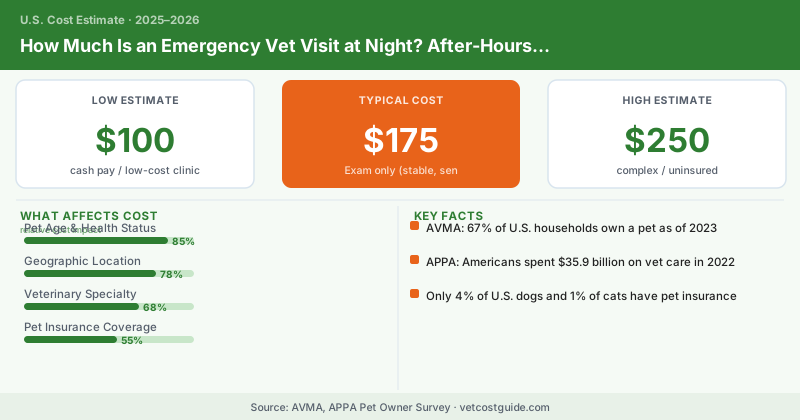
Let’s get straight to it. An after-hours emergency vet visit starts with a $100–$250 exam fee just to be seen, and most overnight visits land between $800 and $1,500 once diagnostics and treatment are added. A serious case with surgery or hospitalization can climb past $3,000.
According to the AVMA, emergency and after-hours care consistently ranks among the highest unexpected pet expenses owners face. And the APPA’s 2023–2024 survey found that emergencies are a leading reason owners take on debt for their pets. So if your stomach just dropped, you’re in good company.
- After-hours exam/triage fee: $100–$250
- Bloodwork + diagnostics: $150–$400
- X-rays or ultrasound: $250–$600
- IV fluids + medications: $100–$400
- Overnight hospitalization: $600–$1,700 per night
- Emergency surgery: $1,500–$5,000+
Why the Sticker Shock at 3 a.m.
The exam fee alone is two to four times a daytime visit, and there’s a reason. An emergency hospital keeps a full team awake all night: veterinarians, technicians, often a surgeon on call. The equipment never sleeps either. In-house labs, digital X-ray, ultrasound, and oxygen kennels all run around the clock.
You’re not just paying for your pet’s care. You’re paying for the privilege of having a fully staffed hospital ready the moment you walk in.
| Scenario | Low | Typical | High |
|---|---|---|---|
| Exam only (stable, sent home) | $100 | $175 | $250 |
| Vomiting/diarrhea workup | $400 | $800 | $1,200 |
| Foreign body (no surgery) | $600 | $1,000 | $1,500 |
| Urinary blockage (overnight) | $1,500 | $2,200 | $3,000 |
| Bloat/GDV surgery | $3,000 | $5,000 | $8,000 |
| Hit-by-car trauma | $2,000 | $4,000 | $7,000 |
What You Can Actually Do About the Bill
You have more control than it feels like at 2 a.m. First, ask for an itemized estimate before approving anything. A good emergency vet will walk you through what’s essential right now versus what can wait for your regular vet. You’re allowed to say “let’s do the critical items only tonight.”
If you’re financially stretched, say so plainly. Many clinics accept CareCredit, offer in-house payment plans, or know which local nonprofits hand out emergency grants.
Never delay care for a true emergency to save money. Bloat, urinary blockage, trouble breathing, seizures, suspected poisoning, and major trauma are life-or-death and time-sensitive. If your pet is stable and the problem is minor, waiting for your regular vet at the daytime rate is fine. When unsure, call the emergency line and describe what you’re seeing before driving over.
Is It Ever Cheaper to Wait Until Morning?
If, and only if, your pet is clearly stable. A minor limp, a small cut that’s stopped bleeding, or one episode of vomiting in an otherwise bright, eating pet can often wait for the lower daytime rate. Anything involving breathing, repeated vomiting, collapse, or straining to urinate cannot wait. Our guide on when to go to the emergency vet breaks down the red-flag symptoms in detail.
Frequently Asked Questions
How much is an emergency vet visit at night? The after-hours exam fee is $100–$250 just to be seen. With diagnostics and treatment, most overnight visits run $800–$1,500. Surgery or hospitalization can exceed $3,000–$5,000.
Why do emergency vets charge more at night? Overnight staffing, on-call specialists, and 24/7 equipment all cost more, and that overhead is built into the emergency exam fee. You’re paying for immediate access to a full hospital at 3 a.m.
What is the after-hours emergency exam fee? A flat charge just to be seen, separate from treatment, usually $100–$250 at night versus $50–$75 daytime. It’s non-refundable even if no further care is needed.
How can I lower an emergency vet bill? Ask for an itemized estimate and which items are essential now. Call your regular vet first if it’s not life-threatening. CareCredit, payment plans, and insurance help spread the cost.
Is it cheaper to wait until morning? Only if your pet is clearly stable and the issue is minor. True emergencies like bloat, blockage, or breathing trouble can’t wait. When in doubt, call the emergency line.
Does pet insurance cover emergency vet visits? Most accident-and-illness policies cover them after your deductible, reimbursing 70–90%. You pay upfront and submit a claim. Pre-existing conditions and waiting periods apply.
Will the emergency vet make me pay everything upfront? Usually yes, or at least a large deposit before treatment begins, since emergency clinics don’t bill insurers directly. This is exactly why a pet emergency fund or a CareCredit card set up in advance is so valuable.
Are 24-hour vets more expensive than urgent care clinics? Often, yes. A dedicated emergency hospital with surgeons and ICU capability charges more than a pet urgent-care clinic that handles non-critical cases. If your pet’s issue is moderate and an urgent care is open, it can be a cheaper middle ground between your regular vet and a full ER.
Frequently Asked Questions
Expect an after-hours emergency exam fee of $100–$250 just to walk in the door, which is higher than a daytime exam. Once diagnostics and treatment are added, most overnight emergency visits run $800–$1,500. Serious cases requiring surgery or overnight hospitalization can exceed $3,000–$5,000.
After-hours clinics pay premium wages for overnight staff, keep specialists and surgeons on call, and run expensive equipment like in-house labs, ultrasound, and oxygen kennels 24/7. That overhead gets built into the emergency exam fee. You're paying for immediate access to a fully staffed hospital at 3 a.m.
The emergency exam or triage fee is a flat charge just to be seen, separate from any treatment. It typically runs $100–$250 at night, versus $50–$75 for a routine daytime visit. This fee covers the initial assessment and is non-refundable even if your pet needs no further care.
Ask for an itemized estimate before approving care and ask which items are essential versus optional right now. Call your regular vet first if it's not life-threatening, since they may fit you in cheaper. Pet insurance, CareCredit, and clinic payment plans help spread big bills. Some nonprofits offer emergency grants for qualifying owners.
Sometimes, but never gamble with a true emergency. Conditions like bloat, urinary blockage, difficulty breathing, seizures, suspected poisoning, or major trauma can't wait. If your pet is stable and the issue is minor, waiting for your regular vet at the daytime rate is reasonable. When in doubt, call the emergency line and describe the symptoms.
Most accident-and-illness policies cover emergency visits, including the exam fee, diagnostics, surgery, and hospitalization, after your deductible. You pay the clinic upfront, then submit the claim for reimbursement, often 70–90% back. Pre-existing conditions and waiting periods still apply, so coverage works best when you enroll before an emergency happens.