In 2010 the English Bulldog was a beloved oddity. Today it’s a cautionary tale among veterinarians — a breed so extensively shaped by selective breeding that nearly every body system carries a price tag. A widely cited UK study found English Bulldogs were roughly twice as likely to have a recorded health disorder as other dogs. If you want this breed, go in knowing the full picture.
- The English Bulldog is among the costliest breeds to keep healthy
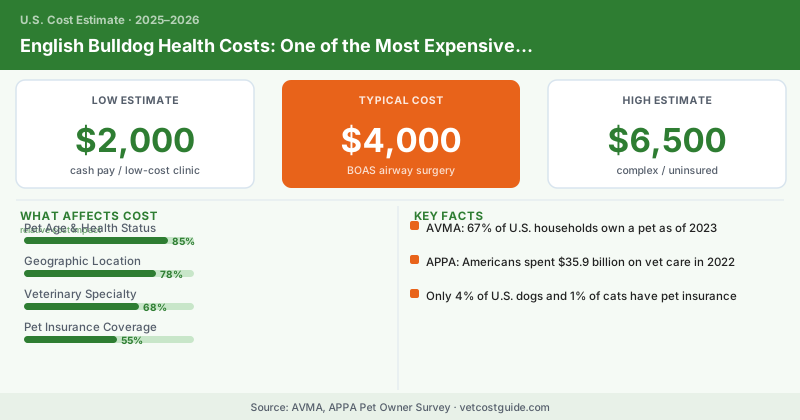
- BOAS airway surgery ($2,000–$6,500) is common, like in other flat-faced breeds
- Skin-fold dermatitis, joint disease, and eye problems are recurring expenses
- Most litters are born by C-section, a real cost if you ever breed
Breathing First
Like the French Bulldog and Pug, the English Bulldog is brachycephalic — that pushed-in face crowds the airway. Many of these dogs snore, snort, and struggle in heat, and a large share need surgical correction (BOAS surgery) to widen the nostrils and trim an overlong soft palate. Heat is the silent killer here; these dogs can’t cool themselves efficiently.
English Bulldogs are exquisitely heat-sensitive. A warm walk, a hot car, or hard play on a summer day can tip one into heatstroke fast. When that happens, you’re looking at the high end of dog emergency vet cost. Prevention is everything.
What It Costs
| Condition | Low | High | Typical |
|---|---|---|---|
| BOAS airway surgery | $2000 | $6500 | $4000 |
| Skin-fold dermatitis care (yearly) | $300 | $1500 | $800 |
| Cherry eye surgery (per eye) | $500 | $1200 | $800 |
| Entropion eyelid surgery | $500 | $1800 | $1000 |
| Hip/elbow dysplasia workup + care | $1000 | $5000 | $2500 |
| Routine annual care | $500 | $1000 | $750 |
A normal checkup, the kind in our average vet visit cost guide, barely registers next to these. That’s the reality of the breed.
Skin, Eyes, and Joints
Those famous wrinkles trap moisture and bacteria, so skin-fold dermatitis is a near-constant management task — cleaning, drying, and treating folds, plus the occasional vet recheck. The eyes bring their own list: cherry eye (a prolapsed tear gland) and entropion (eyelids that roll inward and scratch the cornea), both often needing surgery.
Hip and elbow dysplasia are common too, given the breed’s heavy, low-slung build. The OFA’s hip-screening database has historically ranked the English Bulldog among the worst of all breeds for hip dysplasia, which tells you how baked-in the problem is. Many English Bulldogs walk with a roll that’s partly conformation and partly joint disease, and arthritis tends to set in early.
Allergies, Heat, and the Heart
Allergic skin disease is nearly the default in this breed — chronic itching, recurrent ear and skin infections, and the associated lifetime cost of medications, special shampoos, and rechecks. Many English Bulldogs are on year-round allergy management. The breed can also struggle with heart conditions like pulmonic stenosis, a congenital narrowing that may need a cardiology workup, so a puppy heart murmur deserves attention rather than a shrug.
And it bears repeating: heat intolerance isn’t a minor inconvenience here, it’s a life-or-death issue. These dogs simply can’t shed heat efficiently, so air conditioning, shade, and avoiding midday summer activity aren’t luxuries — they’re part of basic care.
Reproduction Is Expensive Too
If you ever consider breeding, know that most English Bulldogs can’t whelp naturally — the puppies’ broad heads usually require a planned cesarean. That’s a significant surgical cost per litter, and it’s one reason puppies command such high prices.
For pet owners, a routine spay or neuter still applies, and it carries slightly higher anesthetic risk in brachycephalic dogs, so use an experienced practice.
Insure This One — Early
This is a breed where I’d strongly favor insurance, enrolled the day you bring the puppy home. Stack BOAS surgery, recurring skin care, and possible eye surgeries together and the lifetime figure is daunting. Understand the fine print first in pet insurance how it works, because pre-existing exclusions will bite hard with this breed.
If you’re self-funding, keep CareCredit for vet bills ready before a crisis, not during one.
A Shorter Life, Front-Loaded Costs
English Bulldogs tend to live shorter lives than many breeds — often 8 to 10 years — and that’s worth factoring into your planning. The costs don’t spread thinly across a long span; they tend to cluster, with airway, skin, and joint issues often appearing relatively early. Many owners find their heaviest spending years come in the middle of the dog’s life rather than at the very end. That makes an emergency fund or active insurance coverage especially valuable from the start.
Bottom Line
The English Bulldog is affectionate, comic, and genuinely needy on the medical front. There’s no version of this breed that’s cheap to own well. Choose it with eyes open, fund it seriously, and keep that dog cool.
Frequently Asked Questions
Surgical correction of brachycephalic airway syndrome (BOAS) in English Bulldogs typically ranges from $1,500 to $3,500 per procedure. Many dogs require multiple surgeries targeting different airway sites, and the breed's anesthesia risks can add $300–$800 to surgical costs due to extended monitoring and specialized protocols.
Most pet insurance plans cover hereditary and congenital conditions in English Bulldogs, but only after a waiting period (typically 14 days to 6 months) and with deductibles of $250–$1,000 per claim. Out-of-pocket costs before insurance kicks in or for excluded pre-existing conditions can easily exceed $3,000 annually, making breed-specific coverage crucial.
Screening should begin at 12–24 months old, with standard radiographs costing $300–$600 depending on your veterinarian's facility. The Orthopedic Foundation for Animals (OFA) certification adds an additional $50–$100, and early detection allows owners to start preventive treatments like joint supplements ($40–$80 monthly) before severe arthritis develops.