What does a vet visit cost when your pet isn’t a dog or a cat? If you own a bearded dragon, a cockatiel, a hedgehog, or a guinea pig, the answer isn’t in the same ballpark as standard veterinary pricing — and finding the right vet in the first place is often the bigger challenge.
Exotic pet ownership has grown substantially in the U.S. over the past decade, and the American Pet Products Association’s National Pet Owners Survey consistently shows millions of U.S. households keeping reptiles, birds, and small mammals as pets. Yet the number of veterinarians trained to treat these species hasn’t grown proportionally, which keeps exotic vet visits both scarcer and pricier than standard dog and cat care.
- Reptiles (bearded dragons, snakes, tortoises): $60–$150
- Birds (parrots, cockatiels, budgies): $75–$200
- Small mammals (guinea pigs, rabbits, hedgehogs): $60–$150
- Amphibians (frogs, salamanders): $50–$120
- Invertebrates (tarantulas): $50–$100
Full Cost Breakdown by Species Category
| Species Group | Exam Fee | Bloodwork/Diagnostics | Common Add-Ons |
|---|---|---|---|
| Reptiles | $60–$150 | $80–$200 | Fecal parasite exam, UVB assessment |
| Birds | $75–$200 | $80–$200 | DNA sexing, psittacosis testing |
| Rabbits | $60–$150 | $80–$180 | Dental check, GI motility assessment |
| Guinea pigs | $50–$120 | $70–$150 | Vitamin C status, dental check |
| Hedgehogs | $60–$140 | $80–$180 | Mite check, weight/obesity assessment |
| Amphibians | $50–$120 | $60–$150 | Water quality review, skin scrape |
| Invertebrates (tarantulas) | $50–$100 | $80–$180 | Injury assessment, hemolymph testing |
Why Exotic Vet Care Costs More Across the Board
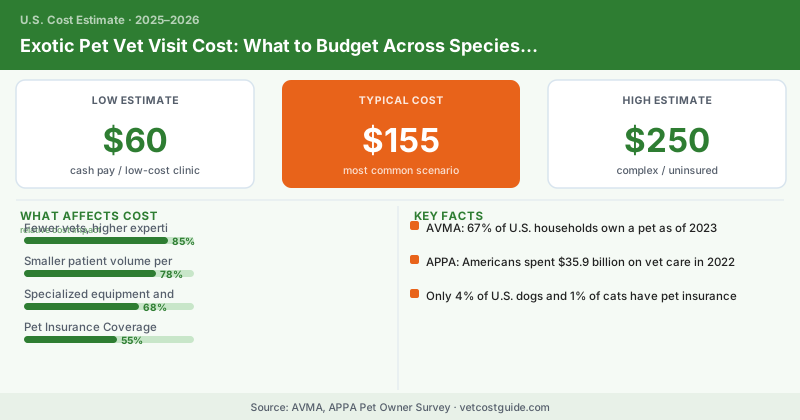
Fewer vets, higher expertise required. Most veterinary schools spend the bulk of curriculum hours on dogs, cats, and large animals. Exotic animal medicine is often a specialized track or additional certification, meaning fewer practicing vets have deep expertise — and those who do can charge accordingly for genuinely scarce skills.
Smaller patient volume per practice. An exotic-focused vet or an exotic specialist within a general practice sees far fewer patients per day than a standard small animal clinic, spreading fixed costs (rent, staff, specialized equipment) across a smaller client base.
Specialized equipment and handling. Radiographs for a 40-gram bird require different technique and positioning than for a Labrador. Reptile bloodwork requires different reference ranges and often different collection techniques. This specialized knowledge and equipment gets reflected in the exam fee.
Species-Specific Considerations
Reptiles need vets who understand species-specific husbandry — a bearded dragon’s health issues are frequently tied to UVB lighting and temperature gradients, not just direct illness, so a good reptile vet asks detailed husbandry questions before assuming a purely medical cause.
Birds require vets with training in avian anatomy, which differs substantially from mammals — the Association of Avian Veterinarians (AAV) maintains a searchable directory at aav.org that’s the best starting point.
Small mammals like rabbits and guinea pigs have unique dental and digestive systems (continuously growing teeth, hindgut fermentation) that general practice vets sometimes miss without specific training in lagomorph and rodent medicine.
- Always call ahead and ask if the vet specifically treats your exact species — “exotic vet” doesn’t guarantee experience with every exotic species
- Ask about emergency availability — many exotic vets have limited hours and no 24/7 emergency coverage for your species
- Bring detailed husbandry information (enclosure setup, diet, temperature/humidity) to every visit — this is often more diagnostically useful for exotics than for dogs and cats
- Budget for travel time — many owners drive 30-90 minutes to reach a genuinely experienced exotic vet
Building an Exotic Pet Vet Budget
Because exotic vets are scarcer and visits cost more per exam, budgeting an annual wellness visit plus a modest emergency cushion makes sense for any exotic pet: roughly $150-$350/year for routine care depending on species, plus $200-$500 set aside for an unplanned issue. Given the relative rarity of true emergencies in most well-husbandry-managed exotic pets, this is usually a manageable ongoing cost — the bigger practical challenge remains simply locating a genuinely qualified vet before you need one, not the exam fee itself.
Frequently Asked Questions
Exotic pet vet visits typically cost 20-50% more than a comparable dog or cat visit because far fewer veterinarians have specialized training in reptile, avian, or small mammal medicine, meaning less competition and higher required expertise per patient. Exotic vets also see fewer patients per day than general small animal practices, spreading overhead across a smaller client base.
Start with the Association of Avian Veterinarians (aav.org) for birds, the Association of Reptilian and Amphibian Veterinarians for reptiles, and general exotic animal medicine directories for small mammals. Always call ahead and ask specifically whether the vet treats your exact species, since 'exotic vet' can mean very different things depending on the practice.