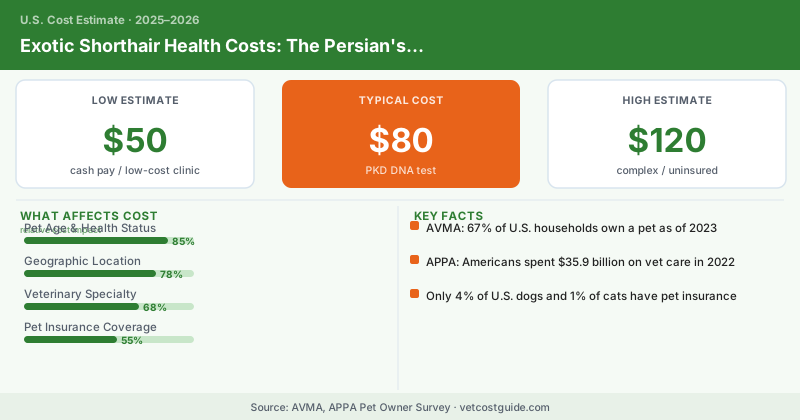
Think of the Exotic Shorthair as a Persian in an easy-care coat. Same squishy face, same teddy-bear expression, same sweet temperament — but with short, plush fur that doesn’t need daily brushing. The catch? That flat face brings nearly all of the Persian’s medical baggage along with it. Lifetime vet care runs $8,000 to $14,000.
Exotic Shorthairs were created by crossing Persians with shorthaired breeds, and they’re recognized by the Cat Fanciers’ Association as their own breed. They’ve climbed the popularity charts precisely because people want the Persian look without the grooming marathon. The health risks, though, came along for the ride.
The flat face, the same problems
Because they share Persian ancestry, Exotic Shorthairs are brachycephalic — that pushed-in face causes the same breathing, tear-drainage, and dental crowding issues. They also inherit the Persian’s polycystic kidney disease (PKD) risk, which is DNA-testable.
| Condition | Low | High | Typical |
|---|---|---|---|
| PKD DNA test | $50 | $120 | $80 |
| Lifetime kidney disease management | $2000 | $7500 | $4000 |
| Brachycephalic airway surgery | $1500 | $4000 | $2500 |
| Chronic eye tearing/entropion repair | $800 | $2500 | $1500 |
| Dental disease treatment | $400 | $1200 | $700 |
| Routine annual care (lifetime) | $3500 | $7000 | $5000 |
If PKD progresses, you’re on the long-term track from our cat kidney disease treatment cost guide — prescription diets, fluids, and ongoing monitoring. That kidney scenario is the single biggest financial risk for the breed, exactly as it is for Persians.
Where they’re actually easier — and where they’re not
The grooming win is real: short fur means no daily detangling and far fewer coat-related skin problems. But the face is the face. You’ll still wipe tears daily to prevent staining and infections. You’ll still watch for snoring and heat intolerance from the narrowed airway. And you’ll still budget for more frequent dental work, since the short jaw crowds teeth and traps food.
Expect cat teeth cleaning cost on a tighter schedule than a standard domestic shorthair — many flat-faced cats need yearly cleanings.
- Lifetime vet care for an Exotic Shorthair runs $8,000–$14,000.
- They share the Persian’s flat-faced risks: breathing, eye drainage, and dental crowding.
- PKD is DNA-testable — demand clean parent results before buying.
- The easy coat saves grooming time, not medical money.
The money plan
Buy from a breeder who DNA-tests for PKD and shows negative parent results. The test costs under $100 and removes the breed’s most expensive long-term risk from the equation. Ask about the parents’ breathing and any history of airway surgery, too.
Insurance is worth it for the flat-face risk profile. Eye, airway, and kidney issues can each generate big bills, and insurers tend to flag brachycephalic breeds — so start coverage before any condition is on record. Compare pet insurance cost per month and read pet insurance how it works.
An Exotic Shorthair that’s mouth-breathing, snoring heavily, or struggling in warm weather may have a brachycephalic airway problem that needs surgical correction. Don’t wait — heat stress can become an emergency fast in flat-faced cats. Flag any breathing change at your next average vet visit cost exam.
The yearly rhythm
Kitten care: cat vaccination cost and a spay or cat neuter cost procedure. Adult years: annual exams, daily face cleaning, and regular dental work.
Where the savings are real — and where they aren’t
It’s worth being honest about the tradeoff. The Exotic Shorthair genuinely saves you the Persian’s grooming burden: no daily detangling, fewer coat-mat emergencies, and less professional grooming over a lifetime. That’s a real win in both time and money. But every medical cost tied to the flat face — the eye drainage, the airway risk, the crowded teeth, the inherited kidney risk — comes through unchanged. The coat is easier; the head is the same head.
So the lifetime spend mirrors a Persian’s almost exactly on the medical side, just with a lighter grooming line. The senior years carry the most risk, when PKD tends to become symptomatic and dental disease peaks. An owner who tests the parents, wipes the face daily, and stays ahead of cleanings can land near the bottom of every range here; one who treats the flat face as cosmetic rather than medical will drift toward the top.
Stacked against the typical annual cost of owning a cat, an Exotic Shorthair runs above average — the dental and eye care drive it. Test the parents for PKD, stay on top of the face and teeth, and this lower-maintenance Persian cousin gives you the teddy-bear charm without the brushing — just not without the vet bills.
Frequently Asked Questions
Diagnostic workup including X-rays and bloodwork typically runs $400–$800, while ongoing medications for chronic respiratory conditions average $30–$60 monthly. Severe cases requiring hospitalization or specialist care can exceed $2,000–$3,500 depending on treatment intensity.
Most major insurers (Embrace, Nationwide, ASPCA) cover respiratory and eye conditions common to flat-faced breeds, but many exclude pre-existing conditions and have breed-specific waiting periods of 14–30 days. Average monthly premiums range from $20–$40 with 10–20% coinsurance after meeting your deductible.
Annual veterinary eye exams are recommended starting at one year old, though Exotic Shorthairs prone to entropion or excessive tearing may need exams every 6 months. Early detection of conditions like corneal ulcers can prevent costly surgical intervention ($1,500–$2,500) later.