Symmetrical hair loss starting at the tail, an itchy ferret, a female with a swollen vulva, those are the classic red flags of adrenal disease, and they send a lot of ferret owners straight into a $400 to $2,000 decision. The range is wide because there are two very different ways to treat it.
Adrenal disease is one of the most common illnesses in U.S. pet ferrets, partly linked to the early spay/neuter that’s standard in the American pet trade. An overgrown adrenal gland pumps out excess hormones, causing the hair loss, itching, and other changes. You’ve got two main treatment paths, and they cost very differently.
Option 1: Hormone Implant (Deslorelin)
The less invasive route is a deslorelin implant, a small implant placed under the skin (often with brief sedation) that suppresses the hormone surge. It doesn’t remove the tumor, but it controls symptoms, often for a year or more before needing replacement.
| Item | Low | High | Typical |
|---|---|---|---|
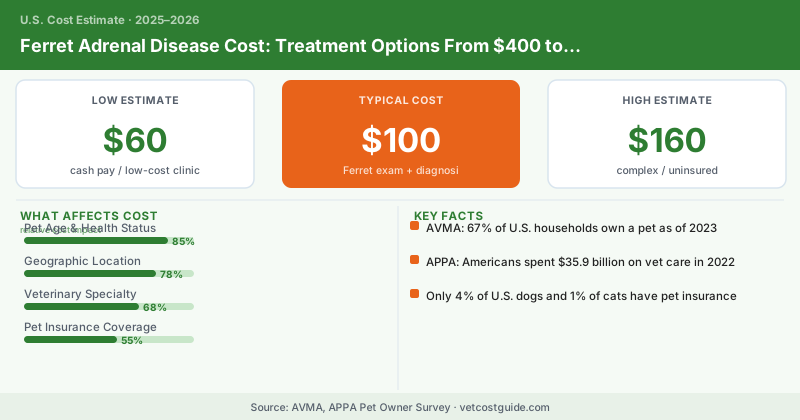
| Ferret exam + diagnosis | $60 | $160 | $100 |
| Ultrasound (confirm gland) | $150 | $400 | $250 |
| Deslorelin implant + placement | $250 | $600 | $400 |
| Adrenal surgery (gland removal) | $800 | $1,800 | $1,200 |
| Anesthesia + monitoring | $150 | $450 | $280 |
| Hospitalization (per day) | $80 | $300 | $160 |
An implant approach typically totals $400 to $800 per treatment cycle. It’s popular because it avoids surgery and is gentler on older ferrets.
Option 2: Surgical Removal
Surgery removes the affected adrenal gland outright and can be curative if the whole gland comes out cleanly. But it’s a real abdominal operation, the left gland is straightforward, while the right gland sits against a major vein and is far riskier and pricier. All-in, surgery commonly runs $1,200 to $2,000.
- Ferret adrenal disease treatment runs $400–$2,000 depending on the approach.
- Deslorelin implants are cheaper and less invasive but need periodic replacement.
- Surgery can be curative but costs more and carries more risk.
- It’s extremely common in U.S. ferrets, expect it as a real possibility.
Which One Should You Choose?
There’s no single right answer. Younger, otherwise-healthy ferrets often do well with surgery for a potential cure. Older ferrets or those with heart concerns frequently get implants to avoid anesthesia risk. Many owners start with implants and consider surgery later. Your vet’s recommendation will weigh your ferret’s age, health, and which gland is involved.
Either way, you’ll want a ferret-experienced vet. The AVMA classifies exotic companion practice as a limited specialty, and adrenal surgery in particular demands real skill given that right-gland anatomy, so the surgeons who do it well aren’t on every corner, and they charge accordingly.
Adrenal disease can occur alongside insulinoma in ferrets, and the symptoms can overlap or mask each other. If your ferret shows weakness, collapse, or drooling on top of hair loss, mention it, your vet may need to screen for both conditions at once.
Managing the Cost
- Diagnose early. Catching it before the ferret is debilitated keeps anesthesia and surgery safer and cheaper.
- Compare both paths honestly. An implant’s lower upfront cost can add up over years of replacements; surgery’s higher upfront cost may be cheaper long-term if curative.
- Use financing. Exotic pet insurance can offset these bills, and CareCredit spreads surgery costs out.
For routine numbers and related conditions, see our ferret vet care cost guide.
The Bottom Line
Ferret adrenal disease is common enough that most longtime ferret owners face it eventually. Budget $400 to $2,000 depending on whether you choose implants or surgery. Neither path is “wrong”, the right one depends on your ferret’s age and health. Catching it early gives you the most options and usually the lowest overall cost.
Frequently Asked Questions
Ferret adrenal disease treatment ranges from $400 to $2,000 depending on the approach you choose. Hormone implants typically cost $400–$800 and last 12–18 months, while surgical removal of the affected adrenal gland runs $1,200–$2,000 including anesthesia and post-operative care.
Most standard pet insurance plans exclude exotic animals like ferrets or classify adrenal disease as a pre-existing condition if diagnosed before enrollment. You should expect to pay the full treatment cost out-of-pocket, so budgeting $400–$2,000 upfront is essential for ferret owners.
Surgical adrenal removal requires 7–10 days of restricted activity and strict wound care, with full recovery in 2–3 weeks. Implant placement is a quick in-office procedure with minimal downtime, though you'll need to schedule retreatment every 12–18 months as the hormone levels decline.