Picture this: your ferret suddenly goes limp, stares blankly, drools, maybe even seizes, then snaps out of it minutes later. That’s a hypoglycemic crash, and it usually points to insulinoma, a pancreatic tumor that’s one of the most common cancers in U.S. pet ferrets. Treating it means choosing between surgery at $1,000 to $2,500 or lifelong medication at $30 to $100 a month.
Insulinoma tumors pump out too much insulin, which crashes blood sugar dangerously low. The disease is manageable, often for a long time, but it’s rarely fully cured, and that shapes the whole cost picture.
The Two Treatment Paths
Medical management uses prednisone (and sometimes diazoxide) to keep blood sugar stable, plus frequent small meals. It doesn’t shrink the tumor but controls symptoms, often for many months to a couple of years.
Surgery removes the tumor nodules from the pancreas. It can buy significant symptom-free time, but because insulinoma tends to be diffuse, it’s usually not a permanent cure, most ferrets eventually need medication anyway.
| Item | Low | High | Typical |
|---|---|---|---|
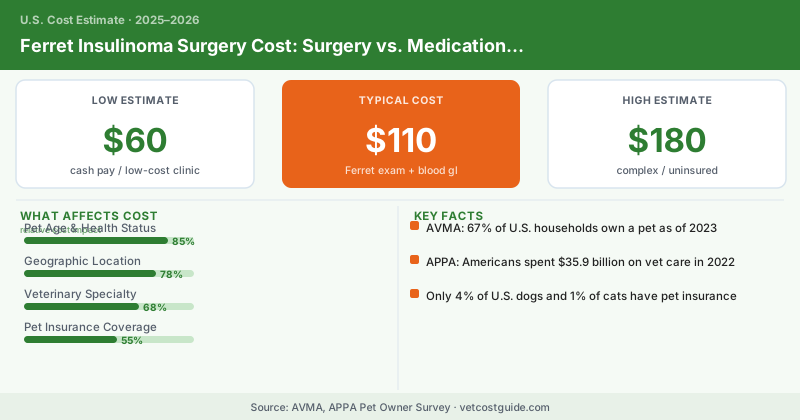
| Ferret exam + blood glucose | $60 | $180 | $110 |
| Bloodwork panel | $90 | $220 | $150 |
| Surgery (tumor removal) | $700 | $1,800 | $1,100 |
| Anesthesia + monitoring | $150 | $450 | $280 |
| Hospitalization (per day) | $80 | $300 | $160 |
| Prednisone (per month) | $15 | $60 | $30 |
| Diazoxide (per month, if used) | $50 | $150 | $90 |
All-in, surgery commonly runs $1,000 to $2,500. Medical management is cheaper upfront but adds up: at $30 to $100 a month, a couple of years of meds can quietly rival a surgery bill.
Surgery vs. Meds: The Real Tradeoff
This is the decision that keeps ferret owners up at night. Surgery costs a lot now but can give your ferret months of medication-free, normal life, and may be worth it in a younger, healthy ferret. Medication is gentle and affordable per month, ideal for older ferrets or those who aren’t good anesthesia candidates, but the costs accrue and the disease keeps progressing.
Many ferrets, realistically, end up on both: surgery first, then medication later as the tumors regrow.
- Insulinoma surgery costs $1,000–$2,500; medication runs $30–$100/month.
- Surgery isn’t usually a permanent cure, the disease tends to recur.
- It’s one of the most common ferret cancers, so plan for the possibility.
- Frequent small meals and avoiding sugary treats help manage symptoms.
Why Ferret Cancer Care Costs What It Does
Operating on a ferret pancreas is delicate work, and the ferret has to be carefully managed through anesthesia to avoid a sugar crash on the table. That takes a vet experienced with exotics. The AVMA treats exotic companion medicine as a small specialty, so the surgeons who handle insulinoma well are concentrated in referral and specialty practices, which prices the procedure higher than a comparable dog or cat surgery.
A ferret that collapses, seizes, or becomes unresponsive is having a hypoglycemic emergency. Rub honey or corn syrup on the gums and get to a vet immediately. Repeated severe crashes can cause permanent damage or death.
Keeping the Cost Down
- Feed frequent meals. Small, regular feedings and a meat-based diet help blunt sugar crashes and reduce emergency visits.
- Skip sugary treats. They trigger insulin spikes and crashes, no fruit, no sugary snacks.
- Decide early. Diagnosing insulinoma before a major crash keeps your options open and surgery safer.
- Plan funding. Exotic pet insurance and CareCredit both help with the surgical bill.
For broader context, see our ferret vet care cost guide and our take on pet insurance cost per month.
The Bottom Line
Ferret insulinoma is a manageable disease, but managing it isn’t free. Surgery runs $1,000 to $2,500, while medication costs $30 to $100 monthly that quietly adds up over time. There’s no universally “correct” choice, it depends on your ferret’s age, health, and your budget. Either way, frequent meals and quick action during crashes will keep both the suffering and the bills lower.
Frequently Asked Questions
Ferret insulinoma surgery typically costs between $1,000 and $2,500, depending on your veterinarian's experience, geographic location, and whether pre-operative diagnostics are included. This is a one-time expense, though some ferrets may require a second surgery if the tumor regrows or additional nodules develop.
Most standard pet insurance plans exclude ferrets or classify them as exotic animals with limited coverage, and even specialized exotic pet policies often exclude pre-existing conditions or charge high premiums. You should contact your specific insurance provider to confirm coverage, but expect to pay most or all insulinoma surgery costs out-of-pocket.
Surgery removes the tumor and costs $1,000 to $2,500 upfront but may cure the condition, while medication (such as prednisone or diazoxide) costs $30 to $100 monthly and manages symptoms indefinitely without addressing the tumor. Surgery is curative in about 50% of cases, but not all ferrets are surgical candidates due to age or health status, making medication the safer long-term option for some pets.