Three diseases. That’s what ferret owners need to know going in: adrenal gland tumors, insulinoma (a pancreatic tumor that causes low blood sugar), and lymphoma. By some estimates, 75% of ferrets develop at least one of these by age 5–6. It’s not a scare stat — it’s a budgeting reality. A ferret owner who hasn’t planned for a $1,000–$2,500 vet bill somewhere in their pet’s life is genuinely unprepared.
The American Ferret Association puts the ferret population at roughly 7–8 million in the U.S., making them the third most popular small animal pet in the country. Yet their medical needs are poorly understood by most general-practice vets — including the fact that they need actual vaccines, just like dogs and cats.
Annual Preventive Care Costs
Unlike birds and reptiles, ferrets require vaccines. Both distemper and rabies vaccines are recommended by veterinary guidelines and required or strongly encouraged in many states.
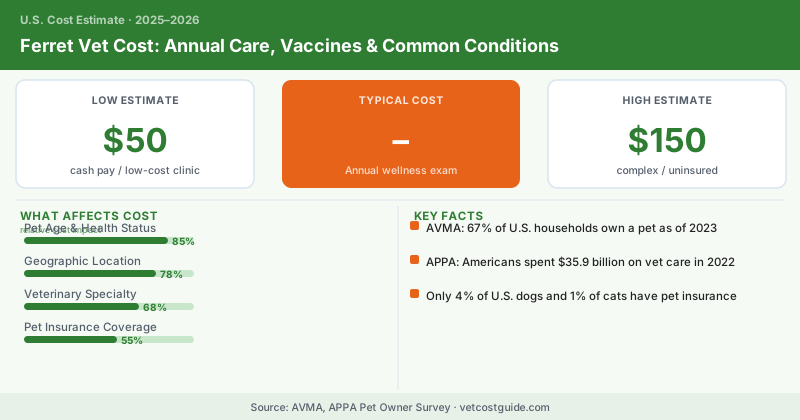
- Annual ferret exam: $50–$150 at an exotic-capable vet.
- Distemper vaccine: $25–$60; rabies vaccine: $20–$50. Both required annually through age 4–5, then vaccine schedule may be adjusted.
- 75% of ferrets develop adrenal disease, insulinoma, or lymphoma by age 5–6 — budget accordingly.
- Ferret-experienced vets charge 20–40% more than general practitioners; the diagnostic accuracy difference is worth it.
| Service | Low End | High End | Notes |
|---|---|---|---|
| Annual wellness exam | $50 | $150 | Exotic-capable vet required |
| Distemper vaccine (Purevax Ferret) | $25 | $60 | Annual; ferret-specific brand matters |
| Rabies vaccine (Imrab 3) | $20 | $50 | Annual; legally required in many states |
| Annual bloodwork (CBC + chemistry) | $100 | $250 | Recommended starting at age 3 |
| Fecal parasite screen | $30 | $60 | Optional but recommended annually |
| Heartworm prevention | $10 | $25/month | Ferrets in heartworm-endemic areas |
| Ear mite treatment | $30 | $75 | Common; OTC options available too |
Important vaccine note: Only use USDA-approved ferret-specific vaccines. The Purevax Ferret Distemper vaccine is the only approved option — never use modified-live canine distemper vaccines in ferrets, as fatal reactions have been documented. Ask your vet specifically which brand they’re using before the needle goes in.
Common Ferret Illnesses & Treatment Costs
Ferrets in the U.S. are almost universally descended from the same farm-bred stock, which creates a genetic predisposition to three diseases so common that exotic vets sometimes just call them “the ferret three.” By some estimates, 75% of ferrets develop at least one by age 5.
| Condition | Treatment | Cost Range |
|---|---|---|
| Adrenal gland disease (medical) | Lupron depot injection (every 4–6 months) | $150–$400/injection |
| Adrenal gland disease (surgical) | Adrenalectomy | $800–$2,500 |
| Insulinoma (medical) | Prednisolone + dietary management | $50–$150/month |
| Insulinoma (surgical) | Partial pancreatectomy | $700–$2,000 |
| Lymphoma (diagnosis) | Ultrasound + biopsy | $400–$900 |
| Lymphoma (treatment) | Chemotherapy protocol | $1,000–$3,000+ |
| Epizootic Catarrhal Enteritis | Supportive care + antibiotics | $200–$600 |
| Foreign body removal | Surgery | $700–$2,000 |
| Spay/neuter | Surgical | $200–$600 |
| Ear mites (treatment) | Topical medication course | $50–$100 |
Insulinoma (a pancreatic tumor that causes dangerously low blood sugar) is a medical emergency when a ferret has a hypoglycemic episode. Signs include staring, weakness in the hind legs, excessive drooling, and seizures. Rub corn syrup or honey on the gums immediately and get to a vet. A ferret found limp or unresponsive needs emergency care now — without intervention, a severe episode can cause permanent brain damage or death.
Ferret Specialist vs. General Vet
Most general-practice vets see very few ferrets and may not recognize early adrenal disease, correctly interpret ferret bloodwork, or know which vaccines are ferret-safe. An exotic animal specialist or ferret-experienced vet charges 20–40% more per visit but is significantly better positioned to catch the diseases that ferrets reliably develop.
The American Ferret Association (AFA) maintains a vet referral list at ferret.org. The Association of Exotic Mammal Veterinarians (AEMV) is another good resource. For any ferret older than 3, these directories are worth using.
Spay/Neuter Cost & Importance
Most ferrets sold in the U.S. are already spayed or neutered at the farm before sale (identifiable by a small tattoo dot in the ear). If yours isn’t, spay/neuter is medically important — not just convenient. Intact female ferrets that go into heat and don’t breed develop aplastic anemia from prolonged estrogen exposure, which can be fatal. Surgery cost: $200–$600 depending on the vet and region.
For the ongoing costs of ferret ownership beyond vet care, see our first-year kitten costs guide for a parallel comparison of small animal annual expenses. For help with large unexpected bills, vet payment plans and CareCredit for vet bills are both options that exotic animal hospitals typically accept.
Pet Insurance for Ferrets
Nationwide is the primary U.S. insurer offering exotic pet coverage including ferrets. Plans run $20–$40/month and typically cover illness and injury with deductibles of $100–$250. Given the near-certainty of an adrenal or insulinoma diagnosis in most ferrets, the math on insurance is more favorable for ferrets than for almost any other pet — the key is enrolling before age 3 and before any conditions are diagnosed.
Bottom Line
Budget $200–$400/year for annual preventive care — exam, vaccines, and basic bloodwork. Set aside a dedicated ferret emergency fund of $2,000–$3,000, because a surgical intervention for adrenal disease or insulinoma is not a matter of “if” for most ferrets, it’s “when.” Pet insurance through Nationwide can offset that risk for $20–$40/month. The cost of ferret ownership is real, but so is the companionship — ferrets who receive regular vet care and have illness caught early consistently live longer and more comfortable lives than those seen only when they’re already sick.
Frequently Asked Questions
A routine ferret veterinary exam typically costs $50–$150, depending on your location and whether the vet specializes in exotic pets. Annual preventive care (exams, vaccines, and basic bloodwork) generally runs $200–$500 per year for a healthy ferret.
Most standard pet insurance plans exclude ferrets or charge higher premiums with limited coverage for hereditary conditions like adrenal disease and insulinoma. Out-of-pocket costs for treating these conditions typically range from $500–$3,000+, making it critical to budget in advance or seek exotic pet insurance specifically.
Vets recommend baseline bloodwork and ultrasounds starting around age 3–4, since an estimated 75% of ferrets develop at least one of the three major diseases (adrenal tumors, insulinoma, or lymphoma) by age 5–6. Early screening can catch treatable conditions sooner, though treatment costs still range from $1,000–$2,500+ over a ferret's lifetime.