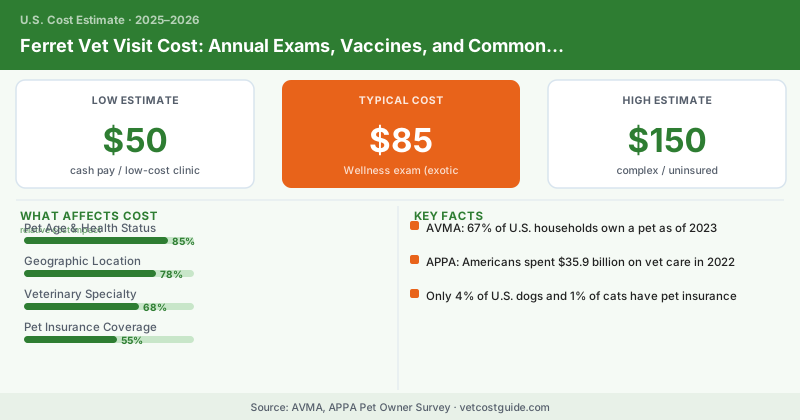
Here’s the thing about ferret health care that surprises most new owners: ferrets are exotic animals in veterinary terms, and not every vet sees them. Finding a ferret-savvy vet often means paying a bit more than you’d pay for a dog exam — and the ferret-specific diseases that develop around middle age (typically 3–5 years) can get expensive fast. The good news is that routine annual care is manageable, and knowing what to budget keeps you from being blindsided.
- Annual wellness exam: $50–$150 (exotic vet fee applies)
- Distemper vaccine (yearly): $20–$40 per dose
- Rabies vaccine (yearly): $20–$40
- Fecal exam: $25–$50
- Blood panel (recommended annually after age 3): $100–$200
- Full annual preventive care budget: $200–$450 for a healthy ferret
- Emergency visits or illness treatment: $300–$3,000+ depending on diagnosis
Cost Breakdown by Service
| Service | Low | Average | High |
|---|---|---|---|
| Wellness exam (exotic vet) | $50 | $85 | $150 |
| Distemper vaccine | $20 | $30 | $40 |
| Rabies vaccine | $20 | $30 | $40 |
| Fecal parasite exam | $25 | $38 | $50 |
| Annual blood panel (age 3+) | $100 | $150 | $200 |
| Dental cleaning (anesthesia) | $200 | $350 | $500 |
| Adrenal disease treatment (Lupron depot) | $100 | $175 | $300 |
| Adrenal surgery | $800 | $1,500 | $2,500 |
| Insulinoma workup + management | $300 | $600 | $1,500 |
| Lymphoma treatment | $500 | $1,200 | $3,000 |
Why Ferret Vets Cost More
Ferrets are classified as exotic animals by most veterinary associations, which means not every general practice sees them. Exotic animal medicine requires additional training, and many practices don’t invest in that specialty. The vets who do see ferrets regularly often charge a modest premium — usually $10–$30 more per visit than a standard dog or cat exam fee.
That’s a real consideration when you’re budgeting. If you’re in a rural area, the nearest ferret-experienced vet might be a 40-minute drive at a specialty exotic clinic charging $120 per exam instead of the $65 general practice down the street that doesn’t treat ferrets. Factor travel and time into your annual care budget.
The AVMA estimates there are approximately 600,000 pet ferrets in the U.S. It’s a smaller population than dogs or cats, which partly explains the limited supply of experienced ferret vets and the slightly higher prices.
Ferret Vaccine Schedule
Ferrets in the U.S. require two core vaccines:
Distemper (canine distemper virus): Ferrets are highly susceptible to canine distemper, which is nearly 100% fatal in them. The vaccine series starts at 8 weeks and is boosted at 11 and 14 weeks, then annually. Only one USDA-approved distemper vaccine is currently labeled for ferrets — PureVax Ferret distemper vaccine. Some practices use canine distemper vaccines off-label; both approaches have clinical support, but PureVax is generally preferred to reduce vaccine reaction risk.
Rabies: Required by law in many states regardless of whether your ferret goes outdoors. Given annually or every 3 years depending on the product used.
Vaccine reactions are more common in ferrets than in dogs or cats — particularly with the distemper vaccine. Most reactions are mild (lethargy, vomiting) and resolve within 30 minutes. Vets typically monitor ferrets for 20–30 minutes post-vaccination. Severe anaphylactic reactions are rare but possible; your vet should have epinephrine on hand.
The Big Three Ferret Diseases — and Their Costs
Ferrets live 5–10 years, and most develop at least one of three common conditions between ages 3 and 7. APPA data on exotic pet ownership shows that medical costs for ferrets spike dramatically after age 4, which is worth knowing before you bring one home.
Adrenal gland disease: Affects an estimated 70–80% of U.S. ferrets by age 5, according to research published in veterinary exotic medicine literature. The adrenal gland overproduces hormones, causing hair loss, muscle wasting, and in females, an enlarged vulva. Treatment options include:
- Lupron Depot (hormone suppression injection): $100–$300 every 6–12 months for life
- Adrenal surgery (adrenalectomy): $800–$2,500 one-time, with better long-term outcomes in younger ferrets
- Suprelorin implant (available at some specialty practices): $150–$250 every 12–24 months
Insulinoma: Tumors of the pancreatic beta cells cause dangerous hypoglycemia. Treatment involves prednisone ($15–$30/month) to manage blood sugar, with surgery ($600–$1,500) to remove tumors as an option for appropriate candidates. Diazoxide is sometimes added for refractory cases.
Lymphoma: The third common ferret cancer is unfortunately one of the most expensive and least predictable. Chemotherapy protocols extend life by months in some ferrets. Total treatment costs can reach $1,500–$3,000.
Ferrets mask illness extremely well — a wild survival instinct that translates to domestic ferrets hiding symptoms until they’re significantly unwell. By the time your ferret looks sick, it’s often already in trouble. Annual exams and routine blood panels after age 3 are the primary way to catch adrenal disease and insulinoma before crisis hits. Don’t skip annual care because your ferret “seems fine.”
Saving on Ferret Vet Care
Find the right vet before you need one. The Association of Exotic Mammal Veterinarians (AEMV) maintains a member directory. A practice with experienced ferret vets will charge fairly and catch problems earlier, saving money in the long run.
Start blood panels at age 3. Early detection of insulinoma or adrenal changes allows medical management before the condition escalates to emergency or surgery. A $150 annual panel can prevent a $1,500 emergency visit.
Pet insurance for exotic animals. Several insurers now offer exotic pet plans that cover ferrets — Nationwide is the most commonly cited. Coverage helps significantly with the cost of the big three diseases. Premiums run $20–$50/month.
Budget $500–$1,000 per year for a ferret over age 4. That’s a realistic figure once you account for the increased probability of disease management costs, increased visit frequency, and the occasional diagnostic workup.
Frequently Asked Questions
Do ferrets need annual vet visits? Yes. Annual exams catch early disease, ensure vaccines are current, and establish a baseline for your ferret’s health. After age 3, twice-yearly exams are recommended by most exotic vets.
Can I take my ferret to a regular vet? Only if that vet has ferret experience. Many general practitioners are uncomfortable with ferrets and may not recognize the specific disease presentations common in the species. Ask explicitly whether the practice sees ferrets regularly before booking.
How long do ferrets live? Typically 5–10 years, though many U.S. ferrets develop significant health issues by age 5–6 due to the prevalence of adrenal disease and insulinoma. European ferrets, which are typically not neutered as young, have lower rates of adrenal disease — a finding researchers attribute partly to early neutering practices common in U.S. ferret breeding facilities.
Frequently Asked Questions
A routine annual ferret exam typically costs $50–$150, and adding vaccines and basic preventive care brings total annual wellness costs to $200–$400. This makes budgeting for routine care manageable, though exotic vet clinics often charge more than standard dog and cat practices.
Most standard pet insurance plans do not cover ferrets since they are classified as exotic animals; you'll need a specialized exotic pet or exotic animal insurance policy if available in your state. Many ferret owners find these policies limited or expensive, so paying out-of-pocket for routine care ($200–$400 annually) and setting aside an emergency fund for illness ($500–$3,000+) is more practical.
Ferrets are exotic animals requiring specialized veterinary training, so fewer vets offer ferret care and typically charge premium prices compared to standard small animal clinics. Schedule your ferret's first wellness exam within the first month of ownership, then annually thereafter, or immediately if your ferret shows signs of illness—early detection is especially important since ferrets commonly develop costly conditions like adrenal disease between ages 3–5 years.