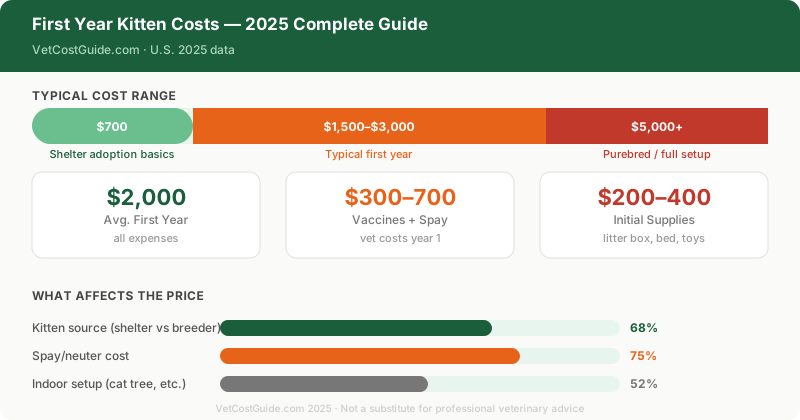
The shelter adoption fee is just the beginning. Most first-time kitten owners budget for the obvious things — food, a litter box, maybe a few toys — and then spend the rest of year one getting surprised. Vaccine series. Spay or neuter surgery. Flea prevention. A carrier they need the first day and forget to buy. By the time it all adds up, a typical setup runs $1,200–$2,500 in year one, even for a shelter kitten. The good news: annual costs drop substantially after that, making cats genuinely one of the more affordable long-term companions you can have.
- Shelter adoption plus basic setup costs $700–$1,500; purebred kitten setups run $2,000–$5,000+.
- The FVRCP vaccine series requires 2–3 visits costing $80–$150 total in vaccines alone.
- Spay or neuter surgery is your biggest first-year vet bill at $150–$500 depending on facility type.
- Annual recurring costs after year one typically run $600–$1,200 for a healthy indoor cat.
Full First-Year Cost Breakdown
| Expense | Low Estimate | High Estimate |
|---|---|---|
| Adoption fee or breeder purchase | $50 | $3,000 |
| Initial wellness exam | $65 | $100 |
| FVRCP vaccine series (2–3 visits) | $80 | $150 |
| Rabies vaccine | $20 | $30 |
| FeLV (feline leukemia) test | $40 | $60 |
| Spay or neuter surgery | $150 | $500 |
| Microchip | $25 | $50 |
| Flea prevention (year 1) | $80 | $150 |
| Litter box and litter (year 1) | $100 | $300 |
| Food (year 1) | $250 | $500 |
| Toys and scratching posts | $100 | $250 |
| Carrier | $30 | $80 |
| Cat tree (optional) | $80 | $300 |
| Pet insurance (optional, year 1) | $200 | $500 |
Where the Money Actually Goes
Veterinary care — the unavoidable core. Young kittens need the FVRCP vaccine series: feline viral rhinotracheitis, calicivirus, and panleukopenia. It starts at 6–8 weeks of age and gets boosted every 3–4 weeks until 16 weeks — that’s two or three vet visits with vaccine fees. Rabies is added at 12–16 weeks. If your kitten has any contact with other cats whose health status is unknown, add a feline leukemia (FeLV) test ($40–$60) and vaccine ($30–$60).
Spay or neuter — your largest single vet bill. For female kittens, most vets recommend spaying at 5–6 months to prevent the first heat cycle. The ASPCA reports that low-cost spay/neuter clinics charge $50–$150 for this surgery; private practices typically run $200–$500 for a spay and $150–$350 for a neuter. If you adopt from a shelter, this is often already included in the adoption fee — one of the biggest value advantages of shelter adoption.
Litter setup — a recurring cost that adds up faster than expected. A basic plastic litter box runs $10–$25. Clay clumping litter — the cheapest effective option — costs $15–$30 per month for a single cat. Buying in bulk (40-lb bags from a warehouse club) drops the per-pound cost by 30–40%. Over a full year, budget $100–$300 for the litter box setup plus ongoing litter supply.
Food — actually surprisingly affordable. A single cat on a quality diet (Purina Pro Plan, Hill’s Science Diet, Royal Canin) costs $20–$45/month depending on whether you’re feeding wet, dry, or a mix. Wet food has real benefits for urinary health and hydration. A realistic annual food budget for one kitten is $250–$500.
Supplies — mostly front-loaded. The first-year supply haul — carrier, scratching post, a handful of toys, maybe a cat tree — costs $150–$400 upfront. After that, annual replenishment (replacement toys, treats, new litter box) runs $100–$200. Don’t over-invest in the cat tree before you know your kitten’s preferences; a $15 cardboard scratcher is often used more than a $200 sisal tower.
What Changes Your Year-One Total
How you acquire the kitten. Shelter adoptions at $100–$200 that include spay/neuter, vaccines, microchip, and sometimes flea treatment represent the best per-dollar value you’ll find anywhere. Rescue organizations sometimes charge $150–$400 for thoroughly vetted kittens. Purebred kittens from reputable breeders — Ragdolls, Maine Coons, Siamese — run $500–$3,000 depending on pedigree and breeder reputation, with acquisition cost alone often exceeding an entire year of shelter-cat ownership costs.
Indoor vs. outdoor lifestyle. Strictly indoor cats can skip FeLV vaccination, rarely need flea treatment beyond occasional prevention, and face far fewer accident and illness risks. Indoor cats have an average lifespan of 12–18 years versus 5–7 years for outdoor cats — and the cost savings over a lifetime are significant.
Coat length. Most domestic shorthairs are fully self-grooming and need zero professional grooming. Persian, Maine Coon, and Ragdoll kittens need brushing several times a week to prevent matting, and potentially professional grooming every 8–12 weeks at $50–$100 per appointment. That’s $300–$600 per year in grooming costs that never shows up in a standard kitten budget estimate.
Multi-cat households. Adding a kitten to a home with existing cats multiplies food and litter costs but raises one important question: has every animal been tested for FeLV and FIV? Testing all cats before introduction ($40–$80 per cat for a combo test) is cheap insurance against introducing a serious infectious disease into the household.
- Skipping the FeLV test: Feline leukemia is a serious and often fatal disease. Testing before your kitten has contact with other cats costs $40–$60 and is worth doing once at intake.
- Buying cheap litter boxes: Kittens and cats are fastidious. A litter box that’s too small, has too high sides, or has a hood a kitten dislikes leads to litter box avoidance — one of the top reasons cats are surrendered to shelters.
- Underestimating food quality impact: Low-quality kitten food with high grain content and low protein can contribute to urinary issues, which are among the most common and expensive feline health problems. Wet food especially supports urinary tract health.
- Delaying spay surgery: An unspayed female can go into heat as early as 4–5 months and can become pregnant. In-heat spays are slightly more expensive and complex. Avoid the situation entirely by scheduling surgery at your vet’s recommended time.
Pet Insurance in Year One
Year one is genuinely the best time to buy pet insurance — kittens have no pre-existing conditions and premiums for young cats start at their lowest ($15–$40/month for accident-and-illness coverage).
Common first-year kitten claims aren’t dramatic, but they’re real: foreign body ingestion (kittens eat string, hair ties, and small toys), upper respiratory infections, and injuries from falls or roughhousing with other pets. A single URI hospitalization with IV fluids and supportive care runs $500–$1,500 — enough to justify a full year of premiums. If you adopt from a shelter, many include a 30-day free trial with a specific insurer. Use that trial period to decide whether ongoing coverage makes sense.
Practical Ways to Cut First-Year Costs
Prioritize shelter adoption. A $100–$200 adoption fee that includes spay/neuter, vaccines, and microchip saves you $400–$700 compared to paying for those services separately. It’s the single most impactful financial decision in year one.
Use a low-cost spay/neuter clinic for non-shelter kittens. The ASPCA’s online directory and your local humane society can connect you with programs charging $50–$150. These clinics operate under state veterinary board oversight and perform these procedures safely every day.
Start with minimal supplies and add based on your cat’s preferences. Every cat is different. Some love cat trees; others ignore them. Some need a covered litter box; others won’t use one. Buying the basics first and expanding based on observed behavior is both cheaper and more effective.
Buy litter in bulk from the start. A 40-lb bag from Costco or Sam’s Club costs $12–$20 and lasts 4–6 weeks. That’s roughly half the per-pound price of the same litter bought in 14-lb bags at a grocery store.
Get flea prevention with a prescription online. Revolution Plus (covers fleas, ticks, ear mites, heartworm) runs about $50–$80 for a 6-month supply through online pharmacies with a valid vet prescription — 20–30% less than buying it directly at the clinic.
FAQ
What does it actually cost to own a kitten in year one? For a shelter kitten in a modest setup, budget $700–$1,500. For a kitten where you’re paying separately for all vet services plus comfortable supplies, $1,500–$2,500 is realistic. A purebred kitten from a breeder can push year-one costs to $3,000–$5,000.
Do indoor kittens need fewer vaccines? Indoor cats still need core vaccines: FVRCP and rabies. What changes is that FeLV and FIV vaccines are considered non-core and typically skipped for strictly indoor cats with no contact with outdoor cats or cats of unknown status. Ask your vet for their specific recommendation.
When should I spay or neuter my kitten? Most vets recommend between 4 and 6 months. Some shelters spay/neuter as early as 8 weeks (pediatric spay/neuter), which is safe and well-studied. For females especially, don’t wait beyond 6 months — they can cycle and become pregnant earlier than most owners expect.
What recurring costs should I expect after year one? Annual vet wellness exam: $65–$120. Vaccines on a 1–3 year schedule: $30–$80/year averaged. Flea prevention if needed: $60–$120/year. Food: $250–$500/year. Litter: $200–$400/year. Total recurring cost for a healthy indoor cat: roughly $600–$1,200/year.
Frequently Asked Questions
Kitten vaccines typically cost $75–$200 for the full series, including the initial FVRCP (feline viral rhinotracheitis, calicivirus, panleukopenia) shots and rabies vaccination spread across 3–4 vet visits between 8 and 16 weeks of age. Most veterinarians charge $25–$50 per visit, with additional fees for each vaccine administered.
Most standard pet insurance policies do not cover spay or neuter surgery because it is considered an elective, preventive procedure rather than treatment for illness or injury. You can expect to pay $200–$500 out-of-pocket for this surgery, though low-cost clinics may offer rates as low as $75–$150.
Veterinarians typically recommend spaying or neutering between 4–6 months of age, though the procedure can be done as early as 8 weeks. Most kittens recover within 7–10 days and can resume normal activity within 2 weeks, though you should limit jumping and running during the first week post-surgery.