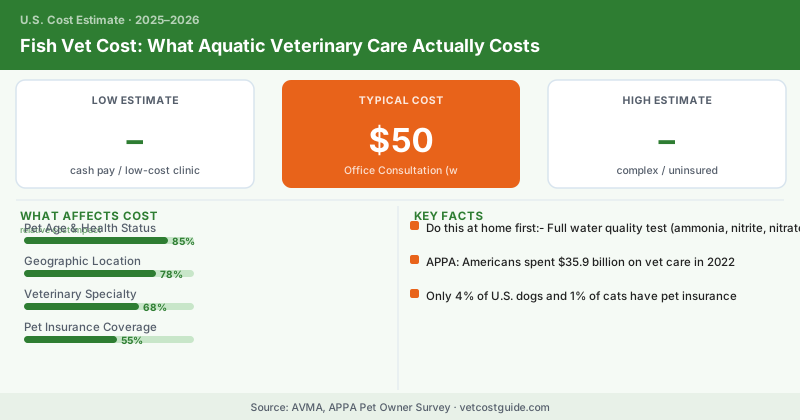
Here’s something most people don’t know: fish can go to the vet. Not just koi worth thousands of dollars — though those definitely do — but goldfish, bettas, and other aquarium fish can receive real veterinary care including anesthesia, surgery, and pathology.
The bigger question isn’t whether it’s possible. It’s whether it makes sense for your fish, your budget, and your situation.
What Aquatic Vet Care Costs
| Service | Typical Cost | Notes |
|---|---|---|
| Office Consultation (with fish in bag/container) | $50–$150 | Aquatic vets often charge more for the specialty |
| Water Quality Analysis | $25–$75 | Critical first step for any sick fish diagnosis |
| Basic Examination | $50–$100 | Visual exam, behavior assessment |
| Anesthesia (for procedures) | $50–$150 | Clove oil or MS-222; fish can be safely sedated |
| Minor Surgery (tumor removal, abscess) | $150–$400 | Common in goldfish and koi |
| Gill Biopsy/Skin Scrape | $50–$100 | Microscopic exam for parasites or bacteria |
| Pathology/Lab Tests | $75–$200 | Culture, sensitivity, PCR tests |
| Euthanasia | $20–$75 | Humane options; clove oil overdose is standard |
| In-Pond House Call (koi) | $150–$400+ | Travel fee + exam + treatment |
These numbers reflect the reality that aquatic veterinary medicine is a specialty. Not every vet does it — you’ll likely need to seek out a practitioner who has specific training in aquatic animals, often found at exotic vet practices, university veterinary schools, or specialist referral centers.
Why Aquatic Veterinary Care Exists
Koi can live 20–35 years and cost hundreds or thousands of dollars each. A prize koi can be worth $10,000 or more. For pond owners with valuable fish, veterinary care is a genuine economic calculation — not just an emotional one.
But it’s not only about money. The AVMA has formal guidelines on fish welfare, and aquatic veterinarians argue — correctly — that fish feel pain. A fish with a large tumor affecting its ability to swim and eat is suffering. Treatment or humane euthanasia is the responsible option.
The American Association of Fish Veterinarians reports growing interest in aquatic medicine, with more veterinary schools adding fish rotations and more general exotic practices building competency in fish care.
- Bacterial infections (fin rot, columnaris, ulcers) — treated with antibiotics
- Parasites (ich, velvet, flukes, anchor worm) — often treatable with over-the-counter treatments, but severe cases need veterinary diagnosis
- Tumors and cysts — goldfish are surprisingly prone to lipomas and other growths
- Swim bladder disorder — can be environmental, dietary, bacterial, or structural
- Dropsy (ascites) — fluid accumulation; often a sign of organ failure; prognosis is poor
- Injuries — fin tears, scale loss, wounds from tankmates or equipment
- Nutritional deficiencies — often related to poor-quality commercial diets For most aquarium fish problems, a vet visit follows failed home treatment — but water quality issues cause the majority of fish illness, and those are owner-addressable.
When a Fish Vet Makes Financial Sense
Be honest with yourself here. A $5 carnival goldfish with fin rot? Treating that at home with aquarium salt and water changes is the rational approach. An $800 koi with a treatable bacterial ulcer? A vet visit at $200 is a clear yes.
The math:
- Under $20 fish: Home treatment only. Use quarantine tanks, proper medications from a fish store, and water quality testing.
- $20–$200 fish: Case-by-case. If it’s treatable, a vet visit might be worth it — especially if the fish has been with you for years and has sentimental value.
- $200+ fish (koi, high-end cichlids, marine fish): Veterinary care is strongly worth considering.
Finding an Aquatic Vet
This is the main challenge. Aquatic vets are genuinely scarce in most parts of the country. Your options:
- Search the AVMA’s member directory filtering by aquatic species
- Contact local aquarium societies — koi clubs and reef keeping groups often maintain lists of local fish-friendly vets
- University veterinary schools — most with exotic animal programs will see fish, often at lower prices than private practice
- Some exotic animal practices — vets who see birds and reptiles sometimes extend to fish
Telehealth is also growing for aquatic medicine. Some aquatic veterinarians offer video consultations for $50–$100, which can help you triage whether an in-person visit is needed and what medications to start.
Home Treatment vs. Vet Treatment
Most aquarium fish problems are manageable at home if caught early and if water quality is addressed first. The honest truth:
Do this at home first:
- Full water quality test (ammonia, nitrite, nitrate, pH, temperature)
- 25–50% water change
- Quarantine sick fish
- Identify symptoms and research likely causes
Go to a vet when:
- You can’t identify the problem after research and basic treatment
- Your fish has a visible growth, wound, or physical deformity
- The fish is valuable enough to justify the cost
- You want humane euthanasia options beyond home methods
- Multiple fish are dying and you need pathology to identify the cause
“Fish antibiotics” sold at pet stores or online are often the same compounds used in veterinary medicine — but dosing, duration, and appropriateness require proper diagnosis. Indiscriminate antibiotic use contributes to resistance and often fails because bacteria wasn’t the actual cause. If you’re buying antibiotics for your fish, know what you’re treating and why. A single water quality test often reveals the real problem is ammonia poisoning, not bacteria.
The Bottom Line
Aquatic vet care is real, effective, and increasingly available. For valuable fish — koi, prized marine species, long-term companions — it’s a legitimate option worth pursuing. For the average aquarium fish, home diagnosis and treatment with good husbandry practices is the more practical path.
The AVMA’s position is unambiguous: fish are sentient animals deserving of appropriate care and humane treatment. What “appropriate care” looks like depends on the fish, your budget, and what’s realistically treatable. There’s no shame in making a thoughtful economic decision — just make sure it’s an informed one.
Frequently Asked Questions
A standard fish veterinary exam typically costs $50–$150, depending on your location and whether the vet is a general practitioner or specialist in aquatic medicine. If diagnostic testing like water quality analysis or lab work is needed, expect an additional $75–$200 on top of the consultation fee.
Most standard pet insurance policies do not cover fish or aquatic animals, as coverage is typically limited to dogs, cats, and occasionally exotic pets like birds or reptiles. You'll generally pay out-of-pocket for fish vet visits, making it important to budget $50–$300+ per visit depending on the treatment required.
A vet visit makes financial sense if your fish cost more than $20–$30 or has sentimental value, since a basic exam ($50–$150) could save a healthy fish suffering from treatable conditions like bacterial infections or parasites. For inexpensive common fish like goldfish, many owners choose replacement over treatment unless the fish is rare or has significant emotional attachment.