Most people assume a big, athletic working dog like the German Shepherd is built to be bulletproof. Wrong. This breed carries one of the heaviest genetic loads of orthopedic and spinal problems in the dog world, and the bills follow. The Orthopedic Foundation for Animals lists the GSD among the breeds with consistently high hip dysplasia rates — historically well over 1 in 5 dogs screened show abnormal hips.
If you own one or you’re about to, here’s what the next decade can cost.
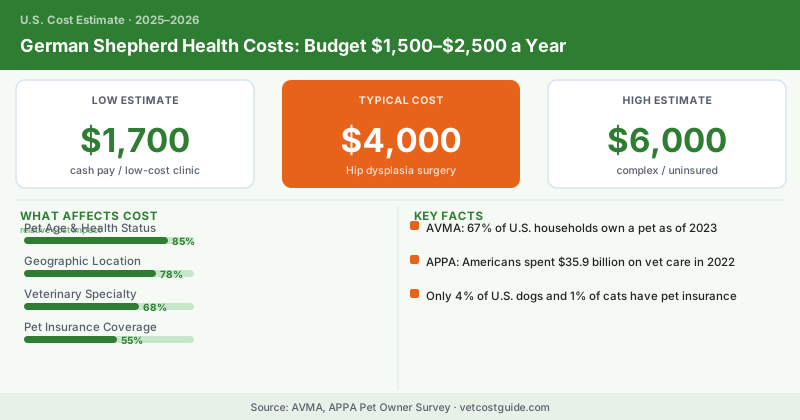
- Expect $1,500–$2,500 a year in combined routine and condition-related care
- Hip dysplasia is the signature problem — surgery runs $1,700–$6,000 per hip
- Bloat (GDV) is a life-threatening emergency that can hit $7,500
- Degenerative myelopathy is incurable but manageable, and it’s genetic
Hips and Elbows First
Hip dysplasia is the defining cost of this breed. The joint doesn’t form correctly, arthritis sets in, and many dogs eventually need surgical intervention. Elbow dysplasia rides along in a lot of these dogs too. The fix ranges from a femoral head ostectomy in a smaller-framed dog to a full hip replacement — we break down every option in our dog hip dysplasia surgery cost guide.
Many GSDs also blow a cruciate ligament, the dog version of an ACL tear. That correction, the TPLO, is its own major expense — see dog TPLO surgery cost.
The Conditions and the Bills
| Condition | Low | High | Typical |
|---|---|---|---|
| Hip dysplasia surgery (per hip) | $1700 | $6000 | $4000 |
| TPLO (cruciate repair) | $3500 | $6500 | $4500 |
| Bloat/GDV emergency surgery | $1500 | $7500 | $4000 |
| Degenerative myelopathy management (yearly) | $600 | $2000 | $1200 |
| EPI lifelong enzyme therapy (yearly) | $800 | $2500 | $1500 |
| Routine annual care | $400 | $900 | $650 |
Bloat Is the Emergency to Fear
Deep-chested breeds like the German Shepherd are prime candidates for gastric dilatation-volvulus — bloat — where the stomach twists on itself. It’s fatal within hours without surgery. Studies in deep-chested breeds put the lifetime risk well into the double digits.
Signs of bloat: a swollen hard belly, unproductive retching, restlessness, and drooling. This is a get-in-the-car-now emergency. Don’t wait until morning. Read our dog bloat surgery cost guide so you’re not learning about it in the ER waiting room.
Some owners elect a preventive stomach-tacking (gastropexy) during spay or neuter to slash the bloat risk. Worth discussing with your vet.
Degenerative Myelopathy
DM is the heartbreaker. It’s a progressive spinal cord disease, genetically linked, that slowly robs a dog of hind-end function. There’s no cure, but physical therapy and supportive care extend quality of life. A DNA test can flag at-risk dogs early. Costs here are ongoing rather than one big surgery.
There’s also EPI — exocrine pancreatic insufficiency — which shows up disproportionately in this breed. Affected dogs can’t digest food properly, lose weight despite a big appetite, and need enzyme supplements sprinkled on every meal for life. The supplements aren’t cheap, and the ongoing cost surprises a lot of owners who expected a one-time fix.
The Gut and the Skin
German Shepherds have famously sensitive stomachs. Chronic diarrhea, food intolerances, and inflammatory bowel disease appear more in this breed than most, often meaning prescription diets and diagnostic workups to pin down the trigger. The breed also gets a stubborn skin condition over the hocks and elsewhere — perianal fistulas and chronic allergies among them — that can require long-term immune-modulating medication. None of these are dramatic single bills, but they compound quietly across the years.
A Note on Where You Get the Dog
More than almost any breed, where your Shepherd comes from shapes its medical future. The OFA’s screening programs exist precisely because hip and elbow dysplasia are so heritable here. A breeder who screens parents for hips, elbows, and the DM gene genuinely lowers your odds of a five-figure orthopedic year. It’s not a guarantee, but it stacks the deck in your favor before the dog ever comes home.
Routine Care and Smart Prevention
Big dogs cost more across the board, even for basics. A neuter on a 75-pound Shepherd runs higher than on a small breed because of anesthesia and surgical time. Stay current on the boring stuff anyway — it’s far cheaper than the alternatives.
Insure Early or Build a Fund
With bloat surgery, hip surgery, and cruciate repair all realistic possibilities, a German Shepherd is a strong candidate for insurance. Premiums sit in the mid-to-high range. Walk through whether the numbers work for you in is pet insurance worth it and annual cost of owning a dog.
Bottom Line
German Shepherds are loyal, brilliant, and genetically expensive. Plan for orthopedic care, know the bloat warning signs cold, and build a financial cushion before you need it. The dog will give you everything. Make sure you can give back.
Frequently Asked Questions
Hip dysplasia surgery in German Shepherds typically costs $4,000–$8,000 per hip, depending on the procedure type (FHO, DARthroplasty, or THR) and your veterinarian's location and experience. Diagnostic imaging like X-rays and CT scans add another $500–$1,500 to the total bill.
Most pet insurance policies classify hip dysplasia and degenerative myelopathy (DM) as pre-existing conditions if diagnosed before enrollment, and will not cover treatment. If you enroll before diagnosis, many plans cover 70–90% of orthopedic surgery costs after you meet your deductible, but some insurers exclude breed-specific conditions entirely.
The Orthopedic Foundation for Animals (OFA) recommends screening at 24 months of age via X-ray, though veterinarians may suspect dysplasia as early as 4–6 months based on clinical signs like limping or difficulty rising. Early screening allows you to plan for conservative management (physical therapy, weight control, medication at $50–$150/month) or surgery before severe arthritis develops.