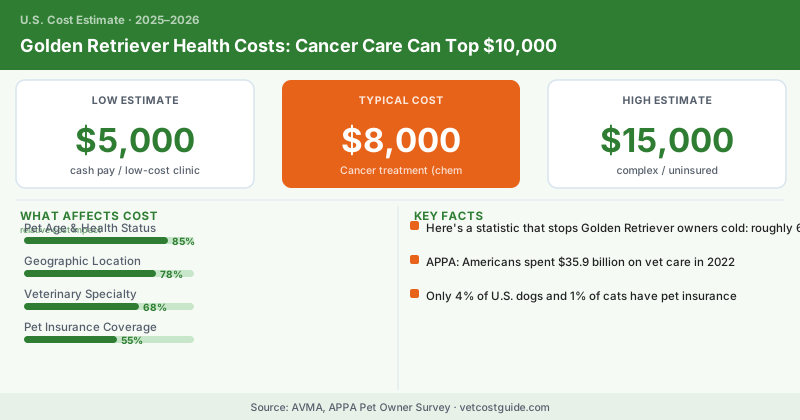
Here’s a statistic that stops Golden Retriever owners cold: roughly 60% of Goldens die of cancer, according to data tracked by the Morris Animal Foundation’s Golden Retriever Lifetime Study. That’s one of the highest cancer rates of any breed. The Golden is gentle, goofy, devoted — and genetically prone to some of the most expensive diseases in veterinary medicine.
This isn’t meant to scare you off. It’s meant to get you ready.
- Cancer is the leading cause of death — treatment runs $5,000–$15,000+
- Hip and elbow dysplasia are common orthopedic costs
- Lifetime vet spending frequently exceeds $15,000 for this breed
- Early insurance enrollment matters more here than almost anywhere
The Cancer Reality
Two cancers in particular hit Goldens hard: hemangiosarcoma (an aggressive blood-vessel cancer, often of the spleen) and lymphoma. Both are treatable to varying degrees, and both are expensive. Chemotherapy protocols, surgery, and follow-up imaging stack up quickly. Our dog cancer treatment cost guide lays out what each path actually costs.
The hard truth about hemangiosarcoma is that it often presents as a sudden internal bleed — a dog that seemed fine collapses, and you’re in the ER making fast, costly decisions.
A Golden that suddenly becomes weak, pale-gummed, or collapses may have a bleeding splenic tumor. This is an emergency. Knowing the dog emergency vet cost range ahead of time helps you act instead of freezing.
Costs Across the Lifespan
| Condition | Low | High | Typical |
|---|---|---|---|
| Cancer treatment (chemo/surgery) | $5000 | $15000 | $8000 |
| Splenic tumor emergency surgery | $2500 | $7000 | $4500 |
| Hip dysplasia surgery (per hip) | $1700 | $6000 | $4000 |
| Cruciate (TPLO) repair | $3500 | $6500 | $4500 |
| Chronic allergy/skin care (yearly) | $300 | $1200 | $600 |
| Routine annual care | $400 | $900 | $650 |
Joints and Skin
Beyond cancer, Goldens carry the usual large-breed orthopedic baggage — hip dysplasia, elbow dysplasia, and a real tendency to tear cruciate ligaments. The TPLO surgery to repair a torn knee is one of the most common big-ticket procedures in this breed, and a dog that tears one knee has a high chance of tearing the other within a year or two. That can mean two five-figure recovery years back to back.
The OFA’s screening database has long flagged elevated hip dysplasia rates in Goldens, so buying from a breeder who screens hips and elbows genuinely lowers your long-term risk. It’s not a guarantee, but the odds matter.
Skin allergies are another steady drain. Many Goldens develop atopic dermatitis and recurring ear infections, which means ongoing medication, medicated shampoos, allergy testing, and the occasional vet recheck. For an allergic dog, that can run several hundred dollars a year, every year, for life. Newer anti-itch medications work well but aren’t cheap, and they’re rarely a one-time cost.
Eyes, Heart, and Thyroid
Goldens also carry hereditary eye conditions like cataracts and pigmentary uveitis, plus a predisposition to subvalvular aortic stenosis, a congenital heart defect. Hypothyroidism — an underactive thyroid — is common in the breed too, and it’s one of the more affordable chronic conditions to manage with a daily pill and periodic bloodwork. Catching it early prevents the weight gain, coat changes, and lethargy that come with it.
Don’t Neglect the Basics
It’s easy to fixate on cancer and forget routine care. Don’t. Keep vaccinations current and stay on top of dental health — gum disease quietly worsens with age and feeds other problems. A standard vet visit twice a year for a senior Golden catches tumors and other issues earlier, when they’re cheaper and more treatable.
The Insurance Case Is Strong
If there’s one breed where I push owners toward insurance, it’s this one. The cancer risk alone makes the expected lifetime medical cost extraordinarily high. The key, again, is enrolling while your puppy is young and healthy, before any condition becomes “pre-existing.” Read pet insurance how it works to understand the waiting periods and exclusions.
If insurance isn’t in the cards, build a dedicated savings buffer. Some owners also keep CareCredit for vet bills on hand for emergencies.
Bottom Line
A Golden Retriever will be one of the best dogs you ever have. It will also, statistically, present you with hard and expensive choices later in life. Prepare financially, schedule those senior wellness checks, and you’ll be able to focus on the dog instead of the bill when it counts most.
Frequently Asked Questions
Cancer treatment for Golden Retrievers typically ranges from $2,000 to $10,000+ depending on the type and stage of cancer. Chemotherapy alone can cost $3,000–$8,000 for a full protocol, while surgical removal of tumors ranges from $1,500–$5,000, and radiation therapy can add another $2,000–$4,000 to the total bill.
Most pet insurance plans cover cancer treatment, but coverage typically ranges from 70–90% of costs after you meet your deductible (usually $250–$500). However, many policies exclude pre-existing conditions and may have annual caps, so out-of-pocket costs for a Golden with cancer often still reach $1,500–$3,000 even with coverage.
Treatment options include surgery (if the tumor is operable), chemotherapy (typically a 4–6 month protocol), radiation therapy, or palliative care focused on comfort and quality of life. Your veterinary oncologist can evaluate your dog's specific cancer type and stage to recommend the best approach, though some owners choose less aggressive options due to cost and your Golden's age and overall health.