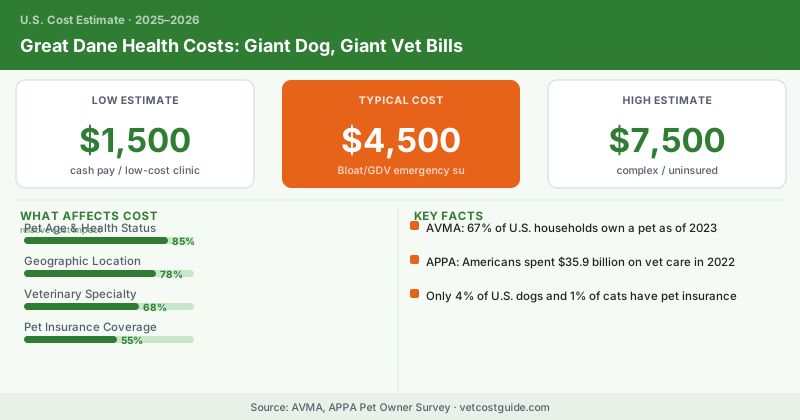
Everything about a Great Dane is bigger — including the vet bills. More anesthesia, more medication by body weight, bigger implants, longer surgical times. A procedure that costs $1,500 in a terrier can cost double in a Dane simply because of size. And this breed sits near the top of the list for the most dangerous emergency a dog can face: bloat. Deep-chested giants carry the highest lifetime bloat risk of any body type, with studies putting it well into the double-digit percentages.
- Giant size makes every procedure more expensive than in smaller breeds
- Bloat (GDV) is the top killer — emergency surgery runs $1,500–$7,500
- Dilated cardiomyopathy is a common, costly heart disease in the breed
- Many owners elect a preventive gastropexy to cut bloat risk
Bloat: The Number-One Threat
Gastric dilatation-volvulus — bloat — is when the stomach fills with gas and twists. In a Great Dane the risk is among the highest of any breed, and it’s a true minutes-matter emergency. Without surgery, it’s fatal. Many Dane owners choose a preventive stomach-tacking (gastropexy), often done during the spay or neuter, to dramatically lower the chance of a twist.
Learn the bloat signs cold: a distended, drum-tight belly, unproductive retching, pacing, and drooling. If you see them, go to the ER immediately — don’t wait, don’t watch. The dog bloat surgery cost guide explains why fast action saves both your dog and your bill.
What Giant-Breed Care Costs
| Condition | Low | High | Typical |
|---|---|---|---|
| Bloat/GDV emergency surgery | $1500 | $7500 | $4500 |
| Preventive gastropexy | $400 | $1500 | $800 |
| Dilated cardiomyopathy workup + meds (yearly) | $800 | $3000 | $1500 |
| Hip dysplasia surgery (per hip) | $2000 | $6500 | $4500 |
| Wobbler syndrome surgery | $3000 | $8000 | $5000 |
| Routine annual care (giant breed) | $500 | $1200 | $800 |
Notice the routine line is higher than for most breeds — even basic care costs more when the dog is this size.
The Heart and the Spine
Great Danes are prone to dilated cardiomyopathy (DCM), where the heart muscle weakens and the chambers enlarge. It needs cardiac imaging to diagnose and lifelong medication to manage. The breed also gets Wobbler syndrome — a compression of the spinal cord in the neck that causes a wobbly, uncoordinated gait and may require surgery.
Hip dysplasia and other joint problems round out the orthopedic picture, and giant-breed joint surgery sits at the top of the price range. Our dog hip dysplasia surgery cost guide shows how size pushes those numbers up.
Growth, Bones, and Cancer
Giant-breed puppies grow at a startling rate, and that growth has to be managed carefully. Feeding a large-breed-specific puppy diet and avoiding over-supplementation matters, because rapid or imbalanced growth contributes to developmental orthopedic disease. Get this wrong and you can set the stage for joint problems that cost thousands later.
Great Danes also carry an elevated risk of osteosarcoma — aggressive bone cancer that tends to strike the long legs of giant breeds. It often shows up as a persistent limp or a firm, painful swelling, and treatment usually means amputation plus chemotherapy. Any limp in an adult Dane that doesn’t resolve in a few days deserves an X-ray, not patience. Our dog cancer treatment cost guide covers what that path costs.
Routine Care for a Giant
Big dogs need bigger doses of everything — preventatives, anesthesia, even the neuter or spay runs higher. Stay current on vaccinations, and don’t skimp on joint support; giant breeds wear out faster and live shorter lives, often 7–10 years. Senior bloodwork and cardiac screening become especially valuable in the back half of a Dane’s short life.
Insurance and Planning
Between bloat, cardiac disease, and giant-breed orthopedic costs, this is a breed where a single bad event can hit five figures. Insurance is worth a hard look — premiums scale with size and risk, so price it out with pet insurance cost per month and weigh it against your savings buffer.
The Everyday Costs Add Up Too
Beyond the dramatic diagnoses, simply feeding and medicating a 130-plus-pound dog costs more day to day. Flea, tick, and heartworm preventives are dosed by weight, so a Dane’s monthly preventives cost a multiple of what a small dog’s do. Food bills are substantial. Even a crate, a bed, and a vehicle that fits the dog are bigger purchases. None of these is shocking on its own, but together they make the routine, non-emergency cost of a Great Dane higher than almost any other breed — something first-time giant-breed owners consistently underestimate.
Bottom Line
A Great Dane is a gentle giant with an emergency-room shadow. Consider the preventive gastropexy, know the bloat signs, budget for giant-scale care, and you’ll be ready for the breed’s biggest risks. These dogs give enormous affection in a short life — make every year count.
Frequently Asked Questions
Bloat surgery for a Great Dane typically ranges from $5,000 to $7,500, depending on the severity of the condition, whether the stomach has ruptured, and your geographic location. Emergency after-hours surgery can push costs toward the upper end or beyond, and additional imaging, blood work, and hospitalization may add $1,000–$3,000 to the total bill.
Most pet insurance plans cover bloat (gastric dilatation-volvulus) as an emergency condition, though you typically pay the vet upfront and submit claims for reimbursement at 70–90% depending on your plan. However, some insurers exclude or limit coverage for deep-chested breeds, so review your policy carefully—typical out-of-pocket costs after insurance can still range from $750 to $2,250.
Yes, a preventive surgery called prophylactic gastropexy can reduce bloat recurrence risk by up to 97% and typically costs $1,500–$3,000 when performed electively (not during an emergency). Vets often recommend this procedure for Great Danes after a first bloat episode or in high-risk dogs, as it's far cheaper than emergency bloat surgery and can save your dog's life.