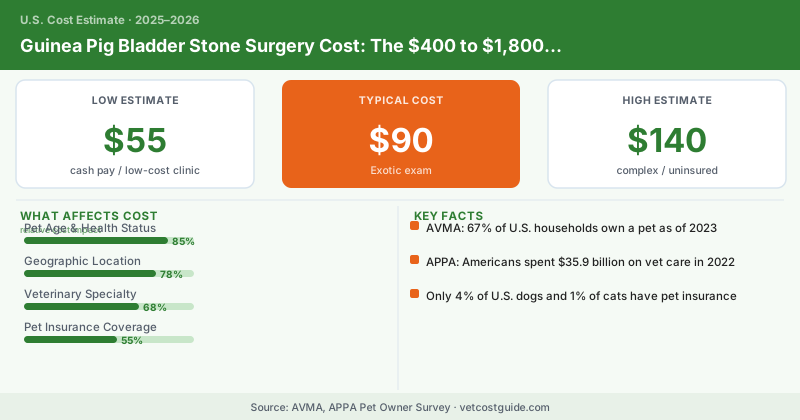
What does it cost to remove a bladder stone from a guinea pig? Most owners pay between $400 and $1,800, and the spread depends almost entirely on whether you’re paying a general vet or an exotic specialist, and how sick your pig already is.
Bladder stones are one of the most common surgical problems in pet guinea pigs. You’ll usually notice it before the vet does: blood in the urine, squeaking while peeing, a hunched posture. Those are the classic signs, and they mean a stone is scraping the bladder lining or, worse, blocking the urethra.
Why It Needs Surgery, Not Just Medicine
Unlike some animals, guinea pigs can’t reliably dissolve bladder stones with diet changes. Their stones are calcium-based and rock-hard. Once a stone is big enough to cause symptoms, the only real fix is a cystotomy, surgically opening the bladder to remove it. A male pig with a stone lodged in the urethra is a true emergency, since a full blockage can be fatal within a day or two.
| Item | Low | High | Typical |
|---|---|---|---|
| Exotic exam | $55 | $140 | $90 |
| X-rays to locate stone | $120 | $400 | $240 |
| Pre-op bloodwork | $80 | $200 | $130 |
| Cystotomy surgery | $300 | $1,000 | $600 |
| Anesthesia + monitoring | $120 | $350 | $200 |
| Pain meds + antibiotics | $40 | $150 | $85 |
| Overnight hospitalization | $80 | $300 | $160 |
A planned, uncomplicated surgery at a general practice might total $400 to $700. An emergency blockage handled by an exotic specialist, with overnight care and a blocked male, can run $1,200 to $1,800.
The Specialist Premium Is Real
Guinea pigs are tiny, and anesthetizing a 2-pound animal safely takes equipment and experience most dog-and-cat clinics don’t have. That’s why exotic specialists charge more, and why their results are usually better. The AVMA’s workforce data has long shown exotic companion-animal medicine as a small specialty niche, so in many regions there are only a handful of vets who’ll operate on a guinea pig at all. Limited supply, higher price.
- Guinea pig bladder stone surgery typically costs $400–$1,800.
- Stones can’t be dissolved with diet, surgery is the standard cure.
- A blocked male pig is a life-threatening emergency, treat it the same day.
- Recurrence is common, so prevention after surgery matters.
Stones Often Come Back
The frustrating part: removing the stone doesn’t fix why it formed. Guinea pigs are prone to recurrence, sometimes within a year. After surgery, your vet will likely recommend a lower-calcium diet, more water intake, and periodic urine checks to catch new stones early, while they’re still cheap to deal with.
If your guinea pig is straining to urinate and producing little or no urine, treat it as an emergency. A complete urethral blockage can cause kidney failure and death within 24–48 hours. Don’t wait for a regular appointment.
Keeping the Cost Manageable
- Act early. A small stone caught on a routine exam is a far cheaper, lower-risk surgery than an emergency blockage.
- Improve the diet. Cutting back on high-calcium pellets and alfalfa (for adults) and encouraging water intake reduces the odds of repeat stones, and repeat surgeries.
- Finance it. CareCredit can break the bill into payments, and exotic pet insurance helps if you signed up before symptoms started.
For everyday care numbers, our guinea pig vet care cost guide shows where this surgery fits against routine bills, and our free vet care programs list can point you toward help if you’re stuck.
The Bottom Line
Plan on $400 to $1,800 for guinea pig bladder stone surgery, with emergencies and specialist care at the top end. It’s a serious but routinely successful operation. The smartest play is catching stones early through regular exams and adjusting diet afterward, because in guinea pigs, the bill you really want to avoid is the second surgery.
Frequently Asked Questions
Guinea pig bladder stone removal (cystotomy) typically costs between $400 and $1,800 depending on your veterinarian. General veterinarians usually charge $400–$800, while exotic animal specialists often charge $1,200–$1,800 for the same procedure.
Most standard pet insurance plans do not cover exotic pets like guinea pigs, leaving surgery costs entirely out-of-pocket for most owners. Some specialty exotic pet insurance exists but is limited in availability and often excludes pre-existing conditions or charges high deductibles ($250–$500).
The cystotomy procedure itself typically takes 30–60 minutes, though your guinea pig will spend 1–2 hours under anesthesia including prep and recovery time. Most guinea pigs recover within 7–14 days with proper pain management and limited activity, though full healing of internal tissues takes 3–4 weeks.