A guinea pig that suddenly stops eating, drools, or paws at its mouth almost always has the same problem: a dental spur. Those sharp points of overgrown molar can slice into the cheek or trap the tongue, and fixing them costs most owners $150 to $600 per session.
Here’s the part that surprises people. Filing a tooth sounds simple, but in a guinea pig it’s done under anesthesia, deep in the back of a tiny mouth, often with specialized equipment. That’s what turns a “quick trim” into a real procedure with a real price tag.
Why Guinea Pigs Get Spurs in the First Place
Guinea pig teeth never stop growing, all of them, for life. In the wild they wear down on tough, fibrous grasses. Pet pigs eating soft pellets and not enough hay don’t wear them evenly, so molars develop sharp spurs that point inward. It’s one of the most common reasons exotic vets see guinea pigs, and it’s almost always diet-driven.
| Item | Low | High | Typical |
|---|---|---|---|
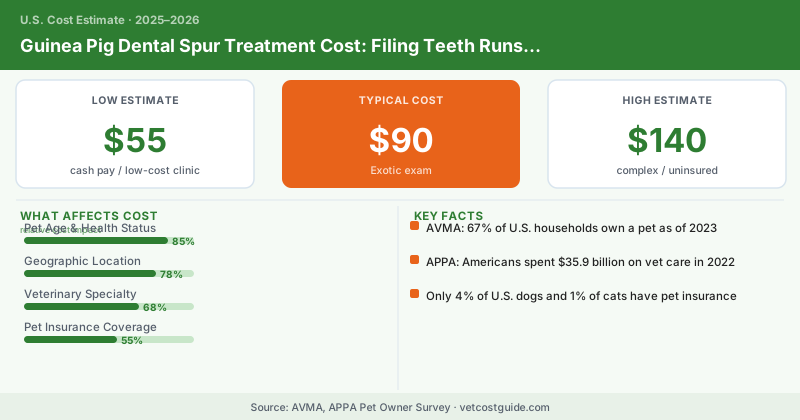
| Exotic exam | $55 | $140 | $90 |
| Oral exam (conscious) | $30 | $80 | $50 |
| Dental spur filing (sedated) | $150 | $450 | $280 |
| Anesthesia + monitoring | $80 | $250 | $150 |
| Skull X-rays (if needed) | $120 | $400 | $240 |
| Pain meds + recheck | $40 | $120 | $75 |
A single sedated filing usually lands at $150 to $400. Add X-rays to check the tooth roots or an overnight stay for a pig that’s badly off its food, and you’re closer to $500 to $600.
The Anesthesia Question
Some owners ask whether the trim can be done awake. Occasionally a quick, minor spur can be filed with light sedation, but a thorough, safe correction almost always needs full anesthesia so the vet can see and reach the back molars without injuring the pig. Anesthetizing an animal this small takes skill, and that skill costs money. The AVMA notes that exotic companion medicine remains a limited specialty, so the vets equipped to do this well aren’t on every corner.
- Guinea pig dental spur filing typically costs $150–$600 per session.
- It requires sedation or anesthesia, which is most of the cost.
- Spurs almost always recur because the teeth keep growing.
- A high-hay diet slows regrowth and stretches the time between visits.
It Will Probably Happen Again
The toughest budgeting reality with dental spurs is recurrence. Once a guinea pig has malocclusion, the spurs tend to come back every few weeks to a few months. Some pigs need filings three or four times a year for life. That recurring cost is exactly why diet correction matters so much, it won’t always cure the problem, but it can dramatically lengthen the gap between procedures.
A guinea pig that hasn’t eaten in 12–24 hours is a medical emergency. Their gut shuts down fast without food. If your pig stops eating or drooling appears, get to an exotic vet that day, don’t wait for the appointment.
How to Lower the Long-Term Bill
- Make hay 80% of the diet. Unlimited timothy or orchard hay forces natural tooth wear and is the single best way to slow spur regrowth.
- Schedule rechecks. Catching a small spur early sometimes allows a faster, lighter sedation, instead of an emergency under full anesthesia.
- Spread payments. CareCredit helps with repeat procedures, and exotic pet insurance may reimburse dental work if enrolled early.
For the full routine-care picture, see our guinea pig vet care cost guide, and compare against a typical average vet visit cost to understand the exotic premium.
The Bottom Line
Expect $150 to $600 each time your guinea pig needs a dental spur filed, and expect to do it more than once. It’s not a one-and-done fix; it’s a managed condition. Loading up on hay and staying ahead of the problem with regular oral checks is the best way to keep this recurring expense as small and infrequent as possible.
Frequently Asked Questions
Guinea pig dental spur treatment typically costs $150 to $600 per session. The wide range reflects differences in veterinary clinic location, the complexity of the case, and whether specialized dental equipment is needed to access the back molars safely.
Most standard pet insurance plans do not cover routine or preventive dental care for small animals like guinea pigs, leaving most owners to pay the full $150–$600 out-of-pocket. Some exotic pet policies may offer limited dental coverage, so you should check your specific plan details before treatment.
Yes, dental spurs often return and require repeated filing sessions over your guinea pig's lifetime because the underlying cause—overgrown molars—typically recurs. Many owners find themselves scheduling multiple procedures annually, so budgeting $300–$1,200 per year for ongoing dental care is realistic for affected animals.