Guinea pigs are often bought as “starter pets” for kids — but their healthcare is anything but simple. What does it actually cost to own one properly?
The honest answer is more than most owners expect. The purchase price of a guinea pig ($25–$50 at a shelter, $30–$80 from a breeder) is completely misleading as a cost signal. The animals are inexpensive. The vet care — when it’s needed — is not. And over a 5–7 year lifespan, it will be needed.
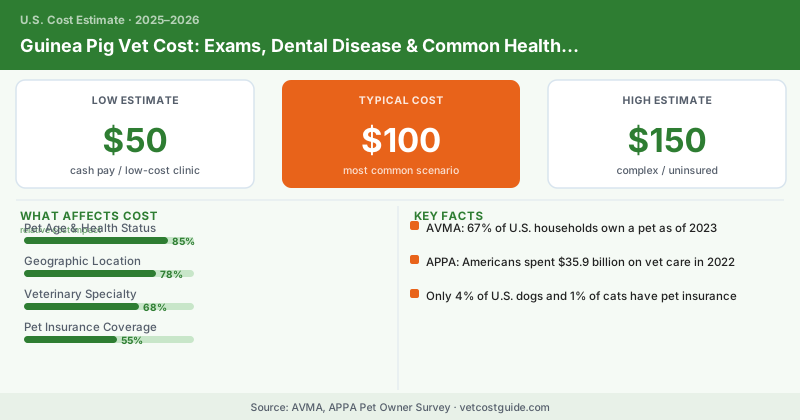
- Annual exotic vet exam: $50–$150 per visit
- Dental procedure under anesthesia: $200–$500 (may recur every few months)
- Respiratory infection treatment: $100–$300
- Urinary stone surgery: $500–$1,500
- Lice or mite treatment: $50–$150
- Spay (female): $300–$600
- Estimated 5-year healthcare cost (healthy guinea pig): $600–$1,500
- Estimated 5-year cost (guinea pig with chronic dental disease): $2,000–$5,000+
You Need an Exotic Vet — Not Just Any Vet
This is the first thing most new guinea pig owners don’t know: not every veterinary practice is equipped to treat guinea pigs well. Guinea pigs are exotic small mammals. They require specific anesthesia protocols (they’re highly sensitive to many standard anesthetic agents), different drug dosing, and equipment appropriate for their small size.
Exotic mammal vets typically charge 20–50% more per visit than general practice vets — not because they’re gouging, but because the training, equipment, and drug inventory required are genuinely different. A general practice vet who doesn’t regularly treat guinea pigs may provide adequate wellness care but is likely not the right choice for a sick guinea pig or one needing dental procedures.
The Association of Exotic Mammal Veterinarians (AEMV) maintains a member directory at aemv.org that lets you search by zip code. It’s worth finding an exotic vet before your guinea pig is sick — not during a crisis.
Routine Exam Costs
| Service | General Vet | Exotic Vet |
|---|---|---|
| Annual wellness exam | $35–$80 | $70–$150 |
| Nail trim | $10–$20 | $15–$30 |
| Basic fecal exam | $25–$50 | $35–$70 |
| Radiograph (X-ray) | $100–$200 | $150–$300 |
Annual exams are important because guinea pigs hide illness well. A guinea pig that’s eating, moving, and acting normally can have significant dental overgrowth, a developing urinary stone, or early respiratory disease that won’t be apparent until an exam reveals it. Catching these early is dramatically cheaper than treating advanced disease.
Dental Disease: The #1 Health Problem in Guinea Pigs
Dental malocclusion is the most common health issue in guinea pigs, and it’s the one most likely to cost significant money over your pet’s lifetime. Guinea pig teeth are open-rooted and grow continuously throughout life. They require constant wear from chewing long-strand grass hay. Without adequate hay, the teeth grow unevenly — cheek teeth (molars and premolars) can form sharp spurs that cut into the tongue and cheeks, making eating painful and eventually impossible.
Signs of dental disease include: weight loss, dropping food while eating (quidding), drooling, reluctance to eat hay, and a hunched posture. By the time these signs appear, the overgrowth is typically significant.
Treatment requires anesthesia — you can’t examine a guinea pig’s cheek teeth properly while it’s awake, and dental burring (smoothing overgrown teeth) absolutely requires a sedated patient. A single dental procedure under anesthesia typically runs $200–$500 at an exotic practice. The problem is that malocclusion in guinea pigs is often recurrent — once the wear pattern is disrupted, the teeth continue to overgrow, and many affected guinea pigs need procedures every 2–4 months for the rest of their lives.
The AEMV and exotic veterinary literature document dental disease as the leading cause of euthanasia in guinea pigs — not because it’s always fatal, but because the cumulative cost of repeated anesthesia events becomes unsustainable for many families.
Other Common Health Issues and Costs
Respiratory infections (pneumonia, upper respiratory infection): Guinea pigs are prone to bacterial respiratory infections, especially Bordetella (they’re susceptible from contact with rabbits). Treatment typically involves antibiotics and supportive care — $100–$300 for an uncomplicated case, more if hospitalization is required.
Urinary stones (urolithiasis): Calcium-based bladder or kidney stones are common in guinea pigs fed high-calcium diets (too much kale, spinach, or romaine). Surgical removal costs $500–$1,500 at an exotic practice — a significant expense for any small pet.
External parasites (lice, mites): Mange mites and lice are common and very treatable. A vet visit plus appropriate antiparasitic treatment (ivermectin-based) typically runs $50–$150.
Ovarian cysts in females: Female guinea pigs have a surprisingly high rate of ovarian cysts — exotic veterinary literature reports that approximately 76% of intact females develop ovarian cysts by age 3. Cysts cause hormonal imbalance, hair loss along the flanks, and sometimes behavior changes. Treatment options include hormone injections (temporary relief), hormone implants ($150–$300, lasts 4–18 months), or spay surgery.
Spay (ovariohysterectomy): Spaying a female guinea pig prevents ovarian cysts and related hormone-dependent tumors. Cost: $300–$600 at an exotic practice. It’s more expensive than spaying a cat or dog relative to the animal’s size because of the specialized anesthesia required and the lower volume of these procedures, which affects pricing.
Never give guinea pigs antibiotics prescribed for other animals without veterinary guidance. Several commonly used antibiotics are toxic to guinea pigs — including penicillin, ampicillin, and erythromycin — because they disrupt the gut flora in ways that kill guinea pigs quickly. This is a common and preventable cause of death in guinea pigs treated at home with leftover medications or medications prescribed for rabbits or other pets. Always consult an exotic-experienced vet before giving any medication.
Estimating Lifetime Care Costs
A guinea pig who remains healthy throughout its 5–7 year life might spend $600–$1,500 on veterinary care total — primarily annual exams, occasional parasite treatment, and a nail trim here and there. That’s manageable.
A guinea pig who develops chronic dental disease — as many do, regardless of diet — might need anesthesia procedures every 2–4 months for 3–4 years. At $200–$500 per procedure, that can total $3,000–$6,000 in dental care alone, not including routine exam costs and treatment for other conditions.
This isn’t meant to discourage guinea pig ownership — they’re genuinely wonderful animals with real personality and long social memories. It’s meant to set realistic expectations. The $40 guinea pig from a pet store isn’t a low-cost pet when you account for proper veterinary care. Budget accordingly, or look into exotic pet insurance (several providers now cover small mammals).
Frequently Asked Questions
Yes, and most guinea pig owners are surprised to hear this. Guinea pigs are prey animals that hide illness instinctively — by the time symptoms are obvious, disease is often advanced. Annual exams (more frequent for guinea pigs over 3 years old) catch dental malocclusion, respiratory infections, urinary issues, and other problems early, when treatment is simpler and less expensive. A guinea pig that looks healthy and is eating normally can still have significant dental overgrowth that only becomes apparent under anesthesia.
Not all veterinary practices accept guinea pigs, and of those that do, not all have the equipment and training to provide quality exotic care — especially for dental procedures. Search the Association of Exotic Mammal Veterinarians (AEMV) member directory at aemv.org, or ask specifically whether the vet has experience with guinea pig dental procedures. Call ahead and ask if they have the anesthesia equipment appropriate for small exotics and whether they regularly treat guinea pigs. A vet who sees one guinea pig a month is very different from one who sees several per week.
Partially. Unlimited grass hay (Timothy, orchard grass, or meadow hay) is the single most important factor in dental health — the long-strand fiber requires extensive chewing, which provides the natural tooth wear that prevents malocclusion. A diet heavy in pellets or soft foods removes this wear mechanism. Hay should make up 70–80% of a guinea pig's diet. Genetics also play a role — some guinea pigs are simply predisposed to malocclusion regardless of diet. Annual dental checks can catch early overgrowth before it becomes a crisis.