$50 for a checkup on a $30 pet seems like a lot until you understand what’s actually being checked — and why guinea pigs, more than almost any other small pet, need that annual look even when they seem totally fine.
Guinea pigs are prey animals with a strong instinct to hide illness, which means visible symptoms often show up only once a condition is fairly advanced. Combine that with continuously growing teeth and a unique inability to produce their own vitamin C, and you get a species with genuine, predictable health maintenance needs that a routine wellness visit is specifically designed to catch early.
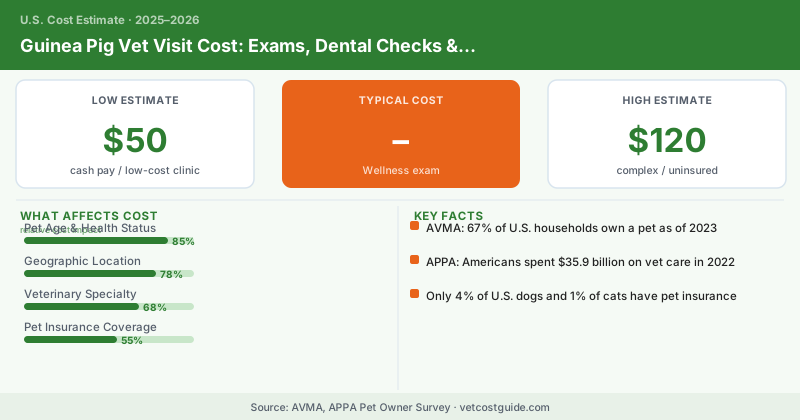
- Wellness exam: $50–$120
- Dental check (part of every exam): included, or $20–$40 standalone
- Fecal parasite exam: $30–$60
- Vitamin C deficiency (scurvy) treatment: $50–$150
- Dental spur/malocclusion treatment: $150–$400
- Bladder stone surgery: $600–$1,500
Full Cost Breakdown
| Service | Low End | High End | Notes |
|---|---|---|---|
| Wellness exam | $50 | $120 | Includes dental check, weight, body condition |
| Fecal parasite exam | $30 | $60 | Recommended annually |
| Vitamin C deficiency treatment | $50 | $150 | Diet correction plus supplementation |
| Dental spur trimming (under sedation) | $150 | $400 | Common due to continuously growing teeth |
| Bladder stone surgery | $600 | $1,500 | More common in guinea pigs than many owners expect |
| Respiratory infection treatment | $80 | $250 | Common; guinea pigs are prone to this |
| Mite/parasite treatment | $40 | $120 | External parasites relatively common |
Why the Dental Check Matters So Much
A guinea pig’s teeth — both incisors and molars — grow continuously throughout its life, unlike most pets whose teeth stop growing after a certain age. This means diet quality directly determines dental health: a diet low in hay and high in pellets or treats doesn’t provide enough wear to keep teeth at a healthy length, leading to overgrown molars and sharp spurs that cut into the cheek and tongue.
This is a genuinely common and easily missed problem. A guinea pig with dental spurs may simply eat less or more slowly, changes owners often attribute to pickiness rather than pain, until weight loss becomes noticeable. A thorough vet exam includes checking the back molars specifically, sometimes requiring sedation to see clearly since guinea pig mouths are small and difficult to examine while awake.
Vitamin C: The Deficiency Most Owners Don’t Know About
Guinea pigs, like humans (and unlike most other mammals), cannot synthesize their own vitamin C and require dietary supplementation — 10-30mg daily according to veterinary exotic nutrition guidelines, achieved through vitamin C-fortified pellets, fresh vegetables like bell peppers, and sometimes direct supplementation. A deficiency (scurvy) causes joint pain, poor coat quality, lethargy, and reduced immune function, and it’s more common in pet guinea pigs than most owners assume, especially when diets rely too heavily on seed mixes or non-fortified pellets that lose vitamin C potency over time in storage.
A vet visit assessing lethargy or reluctance to move should always include a question about diet and vitamin C intake specifically, since this deficiency is both common and highly treatable once identified.
Bladder Stones: More Common Than You’d Think
Guinea pigs are genuinely prone to bladder and urinary stones, likely related to their calcium metabolism and diet. Signs include straining to urinate, blood in urine, or vocalizing during urination — all warranting prompt vet attention. Treatment ranges from dietary management for smaller stones to surgical removal ($600-$1,500) for stones too large to pass naturally.
- Reduced appetite or slower eating — often the first visible sign of dental pain
- Straining to urinate or blood in urine — possible bladder stone
- Lethargy combined with poor coat quality — possible vitamin C deficiency
- Any respiratory noise (wheezing, sneezing) — guinea pigs are prone to respiratory infections that progress quickly
Building a Realistic Guinea Pig Vet Budget
Because guinea pigs are individually inexpensive but genuinely prone to a specific, predictable set of health issues — dental, vitamin C-related, and urinary — an annual wellness exam ($50-$120) is worth the cost even for a guinea pig that seems perfectly healthy. Budget an additional $150-$300 as a cushion for a dental spur trim or minor illness, since these are common enough in this species that “if” often becomes “when” over a guinea pig’s 5-7 year typical lifespan. Fortified pellets, fresh vegetables, and unlimited timothy hay are the cheapest preventive investments you can make, directly reducing the odds of the two most common and costly issues: dental spurs and vitamin C deficiency.
Frequently Asked Questions
Guinea pigs should have an annual wellness exam even when healthy, since they're prey animals that instinctively hide illness until it's advanced. Their teeth grow continuously throughout life, so a dental check should be part of every visit, as overgrown molars are one of the most common and easily missed health problems in pet guinea pigs.
Yes — guinea pigs, like humans, cannot synthesize their own vitamin C and require dietary supplementation of 10-30mg daily according to veterinary exotic animal nutrition guidance. A vet visit often includes assessing signs of scurvy (vitamin C deficiency), such as joint pain, poor coat condition, and lethargy, which are more common than most owners realize when diet isn't carefully managed.