$1,500 is about the floor. For many dog owners — especially those with medium or large breeds, grooming needs, or any unexpected health events — the real number sits closer to $3,000 to $4,500 per year. Before you bring a dog home, you deserve an honest look at where that money actually goes.
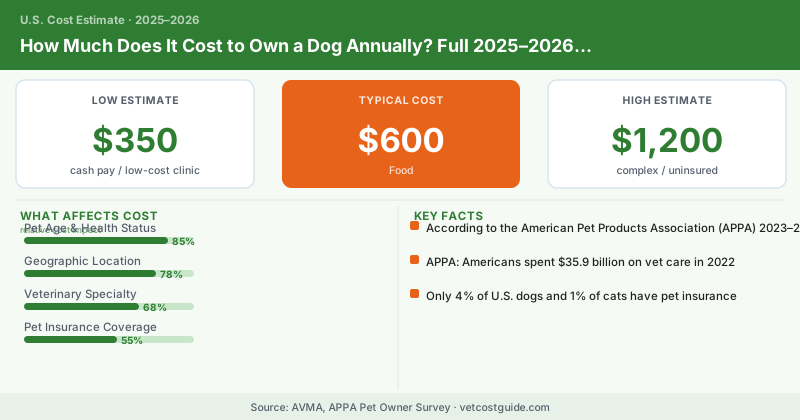
According to the American Pet Products Association (APPA) 2023–2024 National Pet Owners Survey, Americans spent $147 billion on their pets in 2023, with dog owners consistently reporting higher per-pet spending than any other group. The average dog owner spends approximately $1,500–$2,500/year on routine care alone — before any surprises.
The Annual Cost Breakdown
| Expense Category | Low Estimate | Typical | High Estimate |
|---|---|---|---|
| Food | $350 | $600 | $1,200 |
| Routine Vet Care (exams + vaccines) | $200 | $400 | $700 |
| Flea/Tick/Heartworm Prevention | $100 | $200 | $350 |
| Grooming | $0 | $400 | $1,500 |
| Boarding / Pet Sitting | $0 | $400 | $2,000 |
| Supplies & Toys | $100 | $200 | $500 |
| Training | $0 | $200 | $800 |
| Dental Care | $0 | $300 | $800 |
| Unexpected Medical | $0 | $500 | $3,000+ |
Your dog’s size and coat type will push you toward the high or low end of almost every line item. A small, short-coated Chihuahua eating 1 cup of food a day is a very different financial commitment than a 90-pound Standard Poodle needing professional grooming every 8 weeks.
Food: Where You’ll Spend the Most Consistently
Food is your most predictable ongoing cost. Expect to spend:
- Small dogs (under 25 lbs): $250–$500/year
- Medium dogs (25–60 lbs): $400–$800/year
- Large/giant dogs (60+ lbs): $700–$1,500+/year
Premium kibble, fresh food subscriptions (like Farmer’s Dog or Nom Nom), and prescription diets all push costs higher. A 60-lb dog on a prescription kidney diet can easily run $200/month in food alone.
Routine Vet Care: The Non-Negotiable Baseline
Every dog needs at minimum:
- Annual wellness exam: $50–$100
- Core vaccinations (rabies, distemper, parvovirus): $75–$200 every 1–3 years depending on the vaccine
- Heartworm test: $25–$50
- Heartworm, flea, and tick prevention: $100–$350/year
That puts routine preventive care at roughly $250–$650/year for a healthy dog. The AVMA reports that regular preventive care visits significantly reduce lifetime veterinary costs by catching conditions before they require expensive intervention.
Skipping annual exams might save $100 today — but a missed early-stage dental disease that progresses to periodontal surgery costs $800–$2,000. A missed heartworm test that results in a positive diagnosis means $400–$1,000 in treatment. Prevention is almost always the cheaper path.
Grooming: Highly Variable by Breed
Short-coated breeds (Beagles, Labs, Boxers) can get by with occasional professional baths and home brushing — maybe $150–$300/year. But continuous-coat breeds that don’t shed — Poodles, Goldendoodles, Shih Tzus, Bichons, Cocker Spaniels — need professional grooming every 6–8 weeks, easily running $800–$1,500/year.
Don’t forget nail trims ($10–$25 each), ear cleaning, and occasional anal gland expression. These small costs add up to $150–$400/year if you’re not doing them yourself.
The Unexpected Vet Bill: The Budget-Buster
The number that surprises first-time dog owners most is the emergency or illness cost. One in three pets needs emergency or unexpected veterinary care in any given year, according to AVMA data. Common surprise bills:
- Swallowed object / foreign body removal: $1,500–$5,000
- Cruciate ligament (ACL/CCL) tear: $3,500–$7,000
- Ear infection treatment: $150–$400
- Skin allergy flare-up: $200–$800
- GI upset with hospitalization: $500–$2,000
Even if your dog is healthy all year, budget at least $500–$1,000 as an emergency fund, or factor pet insurance into your monthly costs.
“Unexpected” vet bills aren’t actually that unusual. Data from Nationwide Insurance shows that the most common claims are ear infections, skin conditions, and soft tissue injuries — none of which require dramatic bad luck. Build a buffer into your annual budget from day one.
First Year vs. Subsequent Years
The first year of dog ownership typically costs significantly more due to one-time purchases:
| One-Time First-Year Expense | Typical Cost |
|---|---|
| Adoption/Purchase fee | $50–$3,000+ |
| Spay or neuter | $200–$600 |
| Microchip | $25–$75 |
| Initial vet visit + puppy vaccines | $200–$400 |
| Crate, bed, leash, collar | $150–$400 |
| Training classes (recommended) | $150–$400 |
Many new dog owners spend $3,000–$5,000+ in the first year before routine costs ever normalize.
Total Annual Cost by Dog Size
To give you a realistic planning figure:
| Dog Size | Routine Annual Cost | With One Emergency |
|---|---|---|
| Small (under 25 lbs) | $1,200–$2,000 | $2,500–$4,000 |
| Medium (25–60 lbs) | $1,500–$2,800 | $3,000–$5,500 |
| Large/Giant (60+ lbs) | $2,000–$4,500 | $4,000–$7,500+ |
FAQ
Is $1,000/year enough to budget for a dog? For a small, healthy dog without grooming needs in a lower cost-of-living area, $1,000/year might cover bare minimum routine care — but it leaves you with essentially no safety net for unexpected illness or injury. Most financial advisors suggest $1,500 as a realistic minimum and $2,000–$3,000 for true peace of mind.
Does pet insurance lower annual costs? Not necessarily lower — but it makes costs more predictable and protects against large one-time bills. Monthly premiums of $35–$75 add $420–$900/year; if your dog stays healthy, you’ve spent more than you recovered. If your dog has one serious illness or injury, the math often inverts dramatically.
What’s the most expensive thing about owning a dog? For most owners over a 10–15 year lifetime, unexpected veterinary care is the largest single budget variable. Food is the most consistent ongoing expense. Grooming is the largest surprise for first-time owners of longer-coated breeds.
Frequently Asked Questions
Routine vet care typically costs $300–$700 per year for a healthy adult dog and includes annual wellness exams, vaccinations, and preventive treatments. Puppies and senior dogs (7+ years) often cost $500–$1,000+ annually due to additional visits, bloodwork, and age-related screenings.
Most standard pet insurance plans do not cover routine wellness, vaccinations, or preventive care—you pay out-of-pocket for these services. Some insurers offer optional wellness riders for an additional $15–$50/month that reimburse a portion of routine exams and vaccines, typically up to $300–$500 annually.
Most dog owners should set aside $1,000–$2,000 annually for unexpected health issues, as emergency vet visits can cost $500–$3,000+ depending on the condition. Starting an emergency fund before you bring a dog home, or getting pet insurance with accident and illness coverage, helps prevent financial strain when urgent care is needed.