Green iguanas were one of the most popular exotic pets in the U.S. through the 1990s and 2000s. They were sold as easy starter reptiles. They’re not. Adult green iguanas reach 5–6 feet, live 12–20 years, and have specific husbandry demands that, when unmet, result in one condition above all others: metabolic bone disease.
The AVMA’s 2022 Pet Ownership and Demographics Sourcebook estimated 4.5 million reptiles were kept in U.S. households — and iguanas remain one of the most relinquished species to rescue organizations, often due to untreated MBD and owners unprepared for the veterinary costs.
Here’s what iguana vet care actually costs.
| Service | Low | Typical | High |
|---|---|---|---|
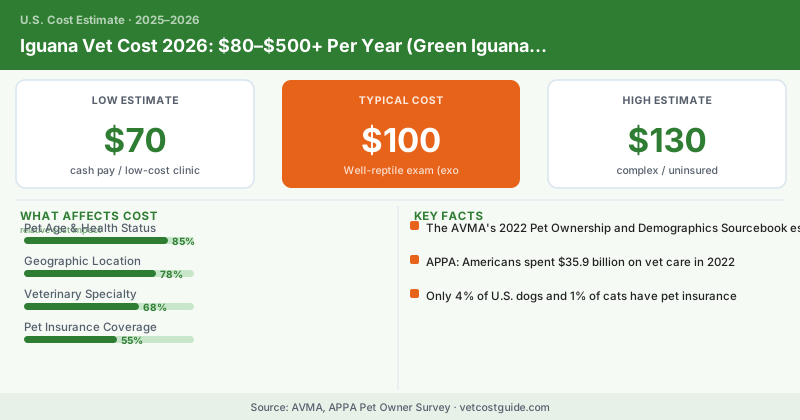
| Well-reptile exam (exotic vet) | $70 | $100 | $130 |
| Fecal parasite screen | $25 | $45 | $70 |
| Blood chemistry panel | $100 | $175 | $280 |
| Radiographs (x-rays) | $100 | $185 | $300 |
| MBD treatment (mild, no fractures) | $150 | $300 | $500 |
| Respiratory infection treatment | $150 | $280 | $450 |
| Abscess lancing and debridement | $150 | $350 | $600 |
| Egg binding treatment | $200 | $400 | $1,500 |
| Emergency visit | $100 | $250 | $500 |
Why Iguanas Need Exotic Vets
This isn’t just a preference — it’s a practical necessity. Iguanas metabolize drugs differently than cats and dogs, have distinct reference ranges for bloodwork, and present disease signs that require species-specific interpretation. A general practice vet who “will see reptiles” may not recognize early-stage MBD on radiographs, may not know which antibiotics are safe for large lizards, and may not have the proper restraint setup for a stressed adult iguana that can inflict real injury with its tail.
The Association of Reptilian and Amphibian Veterinarians (ARAV) and the Association of Exotic Mammal Veterinarians maintain directories of qualified exotic practitioners. Expect to pay $20–$50 more per visit at a true exotic specialist compared to a general vet — it’s worth it.
Annual Wellness Care
Iguanas should see an exotic vet annually. The exam establishes weight baseline (weight loss in reptiles is a significant illness indicator), assesses muscle tone and bone density, evaluates eyes and nares, checks the oral cavity for stomatitis (mouth rot), and reviews husbandry.
For adult iguanas over 5 years old, annual bloodwork is recommended. Blood chemistry reveals kidney function, liver values, and calcium-phosphorus ratios that can flag developing MBD or organ disease before clinical signs appear.
Annual wellness cost (healthy adult): $200–$400 including exam, fecal screen, and basic bloodwork.
- Annual wellness exam: $70–$130
- Fecal parasite screen: $25–$70
- Blood panel (adults 5+): $100–$280
- UVB bulb replacement (every 6 months): $30–$80
- Emergency fund: $400–$800
- Total annual budget (healthy adult): $200–$500
Metabolic Bone Disease — The Costliest Iguana Condition
MBD is the single most common serious condition in captive green iguanas. It develops when chronic UVB deficiency and/or calcium-phosphorus diet imbalance prevents proper vitamin D3 synthesis and calcium absorption. Bones demineralize, leading to pathologic fractures, spinal deformities, and eventually neurological symptoms.
The tragedy is that it’s almost entirely preventable. And yet exotic vets see it constantly.
Early MBD: Subtle softening of the jawbone, slight muscle tremors, decreased activity. Bloodwork shows low calcium or abnormal calcium-phosphorus ratio. Radiographs may show reduced bone density.
Treatment: husbandry correction (proper UVB, diet adjustment), calcium gluconate supplementation, vitamin D3 injections. Cost: $150–$500 for exam, diagnostics, and initial treatment. Husbandry changes are free but critical.
Advanced MBD: Visible limb deformities, pathologic fractures from normal movement, paralysis. This is painful and has a poor prognosis.
Treatment: supportive care, calcium injections, pain management, and in fracture cases, possible splinting. Cost: $500–$2,000+. Some cases aren’t salvageable even with aggressive treatment.
Respiratory Infections
Respiratory disease in iguanas commonly results from husbandry errors — temperatures too low (iguanas need basking spots of 95–110°F), humidity too high, or chronic stress from inadequate enclosure size. Secondary bacterial infections follow.
Signs: mucus from nares, open-mouth breathing, wheezing, lethargy. Diagnosis includes physical exam, radiographs to assess lung fields, and cultures.
Treatment: antibiotics appropriate for reptiles (enrofloxacin or trimethoprim-sulfa are commonly used), nebulization for severe cases, husbandry correction. Cost: $150–$450 for diagnosis and treatment course.
Abscesses
Reptile abscesses don’t drain like mammalian abscesses — they form solid, caseous (cheese-like) masses that require surgical excision. Common sites: jaw, limbs, and tail (often from bite wounds or cage furniture injuries).
Diagnosis: physical exam, sometimes fine needle aspirate or biopsy. Treatment: surgical lancing, debridement, and flushing under sedation, followed by antibiotic therapy. Cost: $150–$600 depending on location and extent.
| Condition | Diagnostic Cost | Treatment Cost | Notes |
|---|---|---|---|
| Mild MBD (early) | $150–$350 | $100–$300 | Good prognosis with husbandry fix |
| Advanced MBD with fractures | $200–$400 | $500–$2,000 | Variable prognosis |
| Respiratory infection | $100–$250 | $150–$400 | Usually responds to antibiotics |
| Oral abscess (stomatitis) | $80–$200 | $150–$400 | Requires debridement |
| Limb abscess | $100–$200 | $200–$600 | Surgical excision needed |
| Egg binding (female) | $150–$300 | $300–$1,500 | Emergency if unresolved |
| Parasites (internal) | $25–$70 | $50–$150 | Common in wild-caught animals |
Egg Binding in Female Iguanas
Female iguanas can develop eggs without a male. Egg binding (dystocia) occurs when a female can’t pass a clutch — typically 12–30 eggs. It’s a serious emergency.
Signs: straining, lethargy, anorexia, abdominal distension, sitting in one spot. Diagnosis requires radiographs or ultrasound to confirm and count eggs. Treatment: oxytocin injections may stimulate passage ($150–$300); surgical removal (ovariohysterectomy) is necessary when injections fail ($500–$1,500). Prevention: Lupron hormone implants can suppress ovulation in chronic egg-producers — $100–$300 per injection every 3–6 months.
Preventing the Big Costs
The single most impactful thing you can do for an iguana’s health is UVB lighting done right:
- High-output linear UVB bulbs (Zoo Med Reptisun 10.0 or equivalent)
- Positioned within 12–18 inches of the iguana’s basking surface
- On 10–14 hours per day (use a timer)
- Replaced every 6 months regardless of visible light output — UVB output drops before the bulb burns out
A $40 replacement bulb every 6 months prevents thousands of dollars in MBD treatment. That math is not subtle.
Iguana bites are genuinely dangerous — not just to the iguana’s mouth (bacteria in a bite wound can cause sepsis), but to you. Adult males during breeding season become territorial and aggressive. Exotic vets have proper restraint protocols. If your iguana is aggressive or over 3 feet long, don’t attempt to handle it for veterinary purposes at home. Transport in a pillowcase inside a secure box.
Annual Iguana Vet Budget Summary
A healthy adult iguana with proper husbandry: $200–$400 per year. Keep $400–$800 in an emergency fund — a respiratory crisis or egg-binding emergency can run $500–$1,500 before you have time to think about it. Iguanas live 15–20 years with good care. Factor that lifetime veterinary cost into the decision to keep one.
Frequently Asked Questions
A routine wellness exam at an exotic animal vet costs $70–$130 for a green iguana. Sick visits with diagnostics run $150–$500 depending on what's found. Annual care for a healthy adult iguana — including exam, fecal parasite check, and basic bloodwork — typically runs $200–$400 per year.
Iguanas need a veterinarian experienced with exotic reptiles. General practice vets who don't regularly treat large lizards often lack the diagnostic tools and species-specific knowledge to accurately identify conditions like early metabolic bone disease, respiratory infection, or reproductive issues. Use the Association of Reptilian and Amphibian Veterinarians (ARAV) member directory at arav.com to find a qualified exotic vet in your area.
MBD is almost entirely preventable with proper UVB lighting and diet. Iguanas need 10–14 hours of exposure to a high-output UVB bulb (10.0 or 12% UVB for tropical species) daily, positioned within 12–18 inches. Replace UVB bulbs every 6 months — they lose UVB output before the visible light burns out. A calcium-to-phosphorus ratio of 2:1 in the diet, achieved through leafy greens, is also critical. Annual vet checks catch early MBD signs before they become costly.