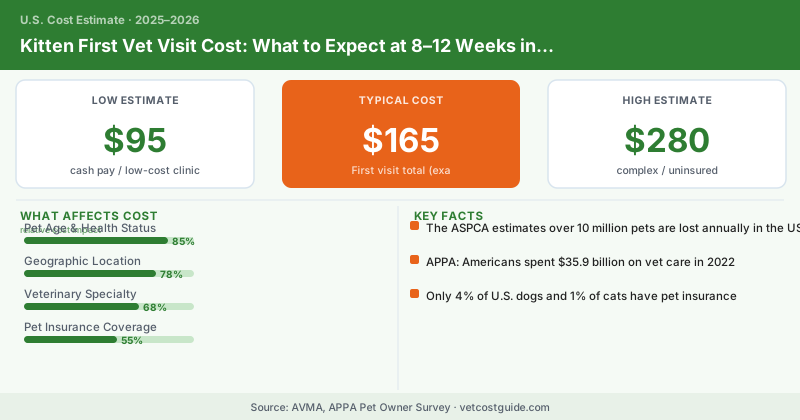
What does a kitten first vet visit actually cost? Short answer: $125–$350 for the first appointment, with return visits every 3–4 weeks until 16 weeks of age. Three or four visits total, plus the dewormer, flea prevention, and potential FeLV/FIV testing add-ons. Budget $400–$700 for the complete kitten wellness series before your new cat sees their first birthday. That’s the real number most people don’t hear when they bring home a 9-week-old tabby.
First Visit Cost Breakdown
| Service | Low | Typical | High |
|---|---|---|---|
| Wellness exam (kitten) | $50 | $80 | $150 |
| FVRCP vaccine (round 1 — distemper, herpesvirus, calicivirus) | $20 | $35 | $55 |
| Fecal parasite exam | $25 | $45 | $70 |
| Deworming (pyrantel, if parasites found or suspected) | $15 | $30 | $55 |
| FeLV/FIV combo test (recommended for new kittens) | $30 | $55 | $85 |
| Flea prevention (first month) | $15 | $30 | $50 |
| Microchipping (optional at first visit) | $35 | $55 | $75 |
| First visit total (exam + 1 vaccine + fecal) | $95 | $165 | $280 |
The Full Kitten Series: 3–4 Visits
Kittens need a series of vaccines spaced 3–4 weeks apart because maternal antibodies (from the mother’s milk) can interfere with early vaccines — giving boosters ensures at least one dose fully “takes” after maternal immunity wanes. Here’s the standard schedule:
Visit 1 (8–9 weeks): Wellness exam, FVRCP #1, fecal exam, dewormer, FeLV/FIV test, flea prevention discussion.
Visit 2 (11–12 weeks): FVRCP #2, first FeLV vaccine (recommended for kittens), continued flea/heartworm prevention.
Visit 3 (14–16 weeks): FVRCP #3, FeLV #2, Rabies vaccine (legally required in most states). Discuss spay/neuter timing.
Optional: Microchipping — can happen at any visit. The ASPCA estimates over 10 million pets are lost annually in the US; microchipped cats have a return-to-owner rate roughly 20x higher than non-chipped cats.
| Visit | Main Services | Typical Cost |
|---|---|---|
| Visit 1 (8–9 weeks) | Exam + FVRCP + fecal + deworming + FeLV/FIV test | $150–$300 |
| Visit 2 (11–12 weeks) | FVRCP booster + FeLV #1 | $80–$150 |
| Visit 3 (14–16 weeks) | FVRCP #3 + FeLV #2 + Rabies | $90–$160 |
| Microchip (any visit) | Implant + registration | $35–$75 |
| Spay consult (if female) | Exam + scheduling | included |
What the Vet Is Actually Checking
The kitten wellness exam covers more than you’d expect for a healthy-looking 9-week-old. Your vet will:
- Listen to heart and lungs (murmurs and respiratory infections are common in young kittens from shelters or multi-cat environments)
- Check eyes, ears, and nose for signs of URI (upper respiratory infection — the “shelter cold” that many kittens carry)
- Palpate the abdomen for normal organ size and any masses
- Examine the skin and coat for ringworm, ear mites, or fleas
- Check teeth and gum color (pale gums can indicate anemia from fleas or parasites)
- Assess body condition score (kittens should be well-nourished but not distended)
A kitten that looks fine can still have intestinal parasites (roundworms are present in 45% of kittens, per veterinary prevalence studies), ear mites, or early URI. The exam finds things you’d miss at home.
If your new kitten came from a shelter, rescue, or unknown outdoor situation, assume intestinal parasites until a fecal exam proves otherwise. Roundworms and hookworms are transmissible to humans — wash hands after handling, and treat before letting small children handle the kitten freely.
FeLV and FIV Testing: Should You Do It?
The American Association of Feline Practitioners (AAFP) recommends FeLV/FIV testing for all new kittens. Feline Leukemia Virus (FeLV) and Feline Immunodeficiency Virus (FIV) are serious, incurable retroviruses that significantly shorten lifespan and affect care decisions. Testing costs $30–$55 and takes 10 minutes in the clinic. If you have other cats at home, testing your new kitten before full introduction is essential.
A positive result changes everything — not necessarily ending the adoption, but informing housing, diet, and long-term care planning. Better to know at 9 weeks than to discover it at year 3.
Many shelters include the first round of vaccines, deworming, microchipping, and spay/neuter in the adoption fee ($75–$200). That first-year vet cost offset is significant — you may only need the booster series and rabies, cutting first-year vet costs by $150–$300. Breeder kittens from reputable breeders often have first vaccines done but rarely include spay/neuter. Budget accordingly.
Low-Cost Options for Kitten Vaccines
If the full private-practice kitten series is beyond your current budget, alternatives exist. Low-cost vaccine clinics at Tractor Supply, PetSmart, or local humane societies charge $15–$30 per vaccine — significantly cheaper for the FVRCP and rabies series. The tradeoff: no physical exam, no fecal testing, no relationship with a vet who knows your kitten’s baseline. Use low-cost clinics for vaccines if needed, but try to schedule at least one full-exam visit with a vet who can catch what vaccines can’t find.
Frequently Asked Questions
A kitten's first vet visit typically costs $125–$350 total, which includes a physical exam ($75–$200) and initial vaccines ($50–$150). Most kittens need 3–4 visits between 8–16 weeks of age, so budget $400–$700 for the complete wellness series including dewormer and flea prevention.
Most pet insurance plans do not cover preventive care like wellness exams and vaccines, meaning you'll pay the full $125–$350 out-of-pocket for the first visit. Some plans offer optional wellness add-ons (typically $10–$25/month) that reimburse 70–90% of preventive visits, but these must be purchased before the exam.
Kittens need 3–4 vet visits between 8–16 weeks of age, spaced 3–4 weeks apart for a series of vaccines and deworming. After 16 weeks, most kittens won't need another visit until their first birthday for a booster vaccine and annual exam, unless health issues arise.