Here’s what surprises most first-time kitten owners: it’s not one shot. It’s a series. Kittens need their core vaccines boostered every 3–4 weeks until they’re 16 weeks old, because maternal antibodies (passed from mom) interfere with the vaccine’s ability to trigger the kitten’s own immune response — and you don’t know when those maternal antibodies wear off. So you boost repeatedly until the window closes.
That means 3–4 vet visits in the first 4 months. Here’s exactly what each one costs and what your kitten actually needs.
The Full Kitten Vaccination Cost Breakdown
| Vaccine | Type | Cost Per Dose | Doses in Series |
|---|---|---|---|
| FVRCP (feline distemper combination) | Core — required | $20–$45 | 3–4 |
| Rabies | Core — required by law in most states | $15–$35 | 1 |
| FeLV (feline leukemia) | Core for kittens per AAFP guidelines | $25–$50 | 2 |
| FIV | Non-core — risk-based | $25–$45 | 3 |
| Wellness exam fee (per visit) | Required — vaccines given by vet | $45–$85 | 3–4 visits |
| Total vaccine series cost (FVRCP + Rabies + FeLV) | Core only | $200 | $350 |
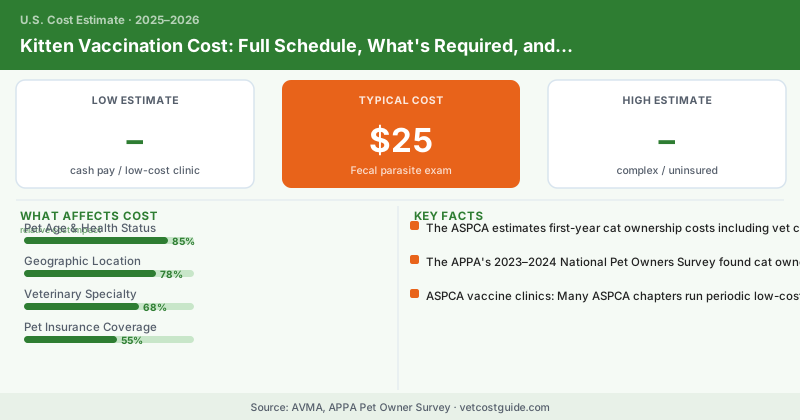
Real total for a complete kitten vaccine series (core vaccines only, 3–4 vet visits):
- Low end: $140–$180
- Typical: $220–$300
- High end: $350–$450 (urban specialty practices)
What Each Vaccine Does
FVRCP stands for Feline Viral Rhinotracheitis (herpesvirus), Calicivirus, and Panleukopenia. These are the three core feline viruses every kitten needs protection against:
- Panleukopenia is essentially feline distemper — a severe, often fatal disease caused by a parvovirus that’s highly contagious and stable in the environment for months. Unvaccinated kittens have a high death rate if infected.
- Herpesvirus causes upper respiratory infection that recurs throughout life once a cat is infected. Vaccination doesn’t prevent infection if exposed before the series completes, but significantly reduces severity.
- Calicivirus causes oral ulcers and respiratory symptoms. Vaccine reduces severity.
Rabies is legally required for cats in most states, regardless of indoor-only status. Cost: $15–$35 per dose. Given once at 12–16 weeks, then annually or every 3 years depending on product and state law.
FeLV (Feline Leukemia Virus) is now considered core for all kittens by the American Association of Feline Practitioners (AAFP) 2020 guidelines, because exposure risk is hard to fully assess in young cats before lifestyle is established. Two-dose series given 3–4 weeks apart. After the initial series, annual boosters are recommended only for cats with ongoing outdoor or social exposure.
Week 6–8: First FVRCP Week 9–11: Second FVRCP + First FeLV Week 12–14: Third FVRCP + Second FeLV + Rabies Week 15–16: Fourth FVRCP (if series started late or maternal antibody interference suspected)
Your vet will adjust timing based on when the kitten first comes in. A 12-week kitten starting fresh gets a slightly compressed schedule. Always complete the series — a single missed booster can leave a gap in immunity.
Why Exam Fees Add Up
Each vaccine visit includes an exam — and the exam fee is typically the largest line item. At $45–$85 per visit, three to four visits means $135–$340 in exam fees alone, before a single vaccine is administered. Some practices offer “kitten wellness packages” that bundle all three to four visits plus vaccines at a flat rate — often saving $50–$100 over itemized pricing. Worth asking about upfront.
Low-cost vaccine clinics (at pet stores or humane societies) can significantly reduce cost — often $10–$25 per vaccine without an exam fee. The tradeoff is that there’s no physical exam, no relationship built with a vet, and no one looking at the whole kitten. For an apparently healthy kitten you just got from a breeder with health records, low-cost clinics are a reasonable option to reduce costs. For a kitten from an unknown background, a full exam at each visit catches issues (parasites, heart murmurs, hernia, congenital problems) that a vaccine clinic would miss.
Other First-Year Costs to Bundle
While you’re at the vet three to four times for vaccines, your kitten also needs:
| Service | When | Typical Cost |
|---|---|---|
| Fecal parasite exam | First visit | $25–$50 |
| Deworming (if parasites found) | First or second visit | $20–$50 |
| FIV/FeLV combo test | First visit (rescue/stray kittens) | $30–$60 |
| Microchipping | Any visit | $45–$75 |
| Spay or neuter | 5–6 months | $200–$500 |
| Flea/tick prevention (6 months) | Start after 8 weeks | $15–$30/month |
Factor in spay/neuter — required by 5–6 months for most kittens — and your true first-year vet cost for a new kitten runs $500–$1,200 total. The ASPCA estimates first-year cat ownership costs including vet care run $1,000–$1,500 when you include spay/neuter, preventive care, and emergency fund.
Does Pet Insurance Cover Kitten Vaccinations?
It depends on the plan type. Basic accident-and-illness plans don’t cover wellness care including vaccines — they’re designed for unexpected illness and injury. Wellness add-on riders (offered by many insurers for $15–$25/month more) typically reimburse for vaccines, exams, fecal tests, and sometimes spay/neuter.
For a kitten in year one with multiple vaccine visits plus spay/neuter, a wellness rider often pays for itself. In subsequent years — when your cat needs only one annual visit — the math changes. The APPA’s 2023–2024 National Pet Owners Survey found cat owners spent an average of $687 on vet care in the prior year; for a kitten in year one, that number is reliably higher.
Don’t skip or delay the vaccine series to save money. Panleukopenia is still circulating in the U.S. environment — it survives months in soil and on surfaces — and an unvaccinated kitten exposed to it has a high mortality rate. The $200–$300 vaccine series protects against a disease where treatment (hospitalization, IV fluids, supportive care) costs $800–$2,500 with no guarantee of survival. Vaccination is genuinely one of the best investments in your kitten’s life.
Low-Cost Vaccine Options
ASPCA vaccine clinics: Many ASPCA chapters run periodic low-cost vaccine events. Fees are significantly reduced — sometimes $10–$20 per vaccine.
Humane society clinics: Most local humane societies run low-cost vaccine clinics open to the public. Call yours and ask about their schedule.
PetSmart Banfield and similar: Banfield clinics inside PetSmart offer wellness plans that bundle vaccines, exams, and other preventive care into monthly payments — often $30–$50/month the first year, which can save money for kittens needing multiple visits.
Comparison shop exam fees: Exam fee variation between practices in the same city can be $40 per visit. For three to four visits, that’s $120–$160 in savings by choosing a moderately priced practice over a boutique one.
Frequently Asked Questions
When can I stop boosting and just do annual vaccines? After the kitten series is complete (typically at 16 weeks), the FVRCP is boostered at 1 year, then every 3 years for low-risk indoor cats per AAFP guidelines. Rabies follows your state’s legal requirements (annual or triennial). FeLV is continued annually only for cats with ongoing exposure risk.
My kitten is indoor-only — do they really need rabies? Legally, yes in most states. Practically, indoor cats do occasionally escape, and a rabies-unvaccinated cat that bites a person triggers a public health response that can result in mandatory quarantine or euthanasia for testing. The $15–$35 rabies vaccine is not optional.
Can I give vaccines myself to save money? Over-the-counter FVRCP vaccines exist at farm supply stores. They’re legal to purchase and administer, but there are real risks: improper handling voids efficacy, you miss the exam that catches other problems, and rabies vaccines are not available over the counter (legally must be administered by a licensed vet). For most owners, DIY vaccines aren’t worth the risk to savings ratio.
Frequently Asked Questions
The full first-year vaccination series typically costs $100–$300, with individual vet visits running $20–$60 each. Most kittens require 3–4 booster visits spaced 3–4 weeks apart before 16 weeks of age, plus any additional non-core vaccines your vet recommends based on lifestyle and risk factors.
Most pet insurance plans do not cover routine preventive care like vaccinations; you'll typically pay out-of-pocket for the full cost. However, some comprehensive or wellness-add-on plans reimburse a portion of preventive services, so check your specific policy's coverage details before enrollment.
Kittens receive booster shots every 3–4 weeks until 16 weeks old because maternal antibodies (inherited from their mother) interfere with the vaccine's effectiveness, and vets cannot predict exactly when those antibodies fade. Multiple boosters ensure your kitten's immune system develops full protection once the maternal antibodies are gone.