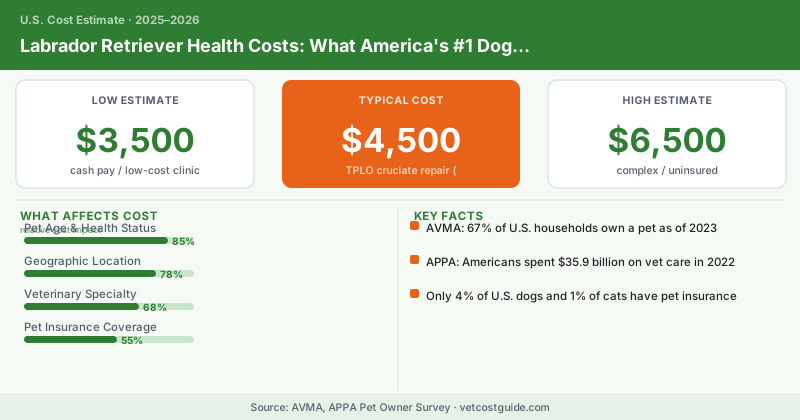
What does it actually cost to keep a Labrador healthy for life? The Lab held the AKC’s most-popular spot for an astonishing 31 years before the Frenchie knocked it off in 2023 — so this is the breed more American families budget for than any other. The good news: Labs are generally robust. The catch: they’re prone to a handful of pricey, predictable problems, and they have a gift for getting fat, which makes everything worse.
- Labs are relatively healthy, but joint disease and obesity drive costs
- Cruciate ligament tears are extremely common — TPLO runs $3,500–$6,500
- Hip and elbow dysplasia add orthopedic expense
- Keeping a Lab lean is the single biggest money-saver you control
Joints Take the Biggest Hit
Labs are athletes, and athletes blow out knees. The cranial cruciate ligament — basically the canine ACL — tears in Labs at high rates, often because excess weight overloads the joint. The repair, a TPLO, is a board-certified surgical procedure; see dog TPLO surgery cost for the full range. Here’s a gut-punch: a dog that tears one cruciate has a roughly 50% chance of tearing the other within a couple of years.
Hip and elbow dysplasia round out the orthopedic picture. The OFA tracks elevated dysplasia rates in Labs, and many older dogs end up on long-term joint support and pain control.
The Numbers
| Condition | Low | High | Typical |
|---|---|---|---|
| TPLO cruciate repair (per knee) | $3500 | $6500 | $4500 |
| Hip dysplasia surgery (per hip) | $1700 | $6000 | $4000 |
| Chronic ear infection care (yearly) | $200 | $900 | $450 |
| Obesity-related care + diet (yearly) | $300 | $1000 | $500 |
| Lipoma/mass removal | $400 | $1500 | $700 |
| Routine annual care | $400 | $900 | $650 |
The Obesity Trap
Labs will eat until they can’t move. A 2016 study even identified a genetic mutation in many Labs that disrupts the body’s “I’m full” signal — so your dog isn’t just greedy, it’s wired to overeat. Obesity is the multiplier that turns a manageable joint into a surgical one and shortens lifespan by years.
A landmark lifetime study found that lean-fed dogs lived nearly two years longer than their overweight littermates. Keeping your Lab at a healthy weight is the cheapest, most effective veterinary intervention there is — and it’s free.
Ears, Skin, and Lumps
Those floppy ears trap moisture, so ear infections are a recurring nuisance — especially in Labs that swim. Budget for repeat ear cleanings and the occasional medicated course; a chronic-ear dog can cost a few hundred dollars a year just keeping infections at bay. Older Labs also sprout fatty lumps (lipomas), most of them harmless, though your vet will want to confirm that with a quick needle aspirate rather than assume.
Eyes, Thyroid, and Bloat
Labs carry some hereditary eye risk — progressive retinal atrophy and cataracts among them — so eye-tested breeding lines matter. Hypothyroidism is fairly common in the breed and is cheap to manage once diagnosed, just a daily pill and periodic bloodwork. And because Labs are a deep-chested breed, bloat (GDV) is a real, if lower, risk than in giant breeds. Learn the warning signs and know that emergency surgery for a twisted stomach can climb into the thousands.
Exercise-Induced Collapse
One Lab-specific quirk worth knowing: exercise-induced collapse (EIC), a genetic condition where intense activity triggers temporary weakness or collapse, usually in young, athletic dogs. There’s a DNA test for it. Most affected dogs live normal lives with activity management, but it’s something to flag if your Lab ever wobbles or buckles after hard play.
Routine Care Done Right
This is a breed where the basics genuinely pay off. Stay current on vaccinations, get annual teeth cleaning and exams, and don’t skip the neuter or spay. A twice-yearly vet visit for a senior Lab catches problems early.
Should You Insure?
Labs sit in a middle zone. They’re not the highest-risk breed, but cruciate surgery alone can cost more than several years of premiums. If a $5,000 surprise would hurt, run your own math with pet insurance cost per month. Otherwise, a healthy savings buffer often does the job for this generally hardy breed.
Bottom Line
Labs are a relatively economical big dog — if you keep them lean and stay ahead of the joint issues. Watch the food bowl, fund the knees, and you’ve handled most of what this breed will throw at you.
Frequently Asked Questions
Hip dysplasia surgery in Labs typically costs $3,500–$7,000 per hip, depending on the procedure type (FHO, DPO, or THR) and your veterinary clinic's location and experience level. Total lifetime costs for both hips can easily reach $10,000–$14,000 when including pre-operative diagnostics, anesthesia, and post-operative care.
Most pet insurance plans cover ear infections as accidents/illnesses, typically reimbursing 70–90% after your deductible ($250–$1,000), leaving you to pay $100–$400 per infection out-of-pocket. However, joint disease and hip dysplasia are often classified as breed predispositions or pre-existing conditions, which many insurers exclude or charge higher premiums to cover.
Vets typically recommend starting joint supplements (glucosamine, omega-3s) and weight management by age 4–5, before symptoms appear, at a cost of $30–$80 monthly for supplements alone. Early intervention can delay or reduce the need for expensive surgery later, making prevention one of the most cost-effective choices over a Lab's 10–12 year lifespan.