Llamas and alpacas are the fastest-growing segment of the US livestock hobby farm market — the Alpaca Owners Association reports over 200,000 registered alpacas in the United States as of 2024. But most new owners wildly underestimate annual veterinary costs. These aren’t dogs. They’re livestock-adjacent animals that require a large-animal or mixed-practice vet, annual shearing, regular dental work, and vaccinations that most small-animal practices don’t stock. Here’s what real ownership costs look like.
Annual Preventive Care Costs
| Service | Low | Typical | High |
|---|---|---|---|
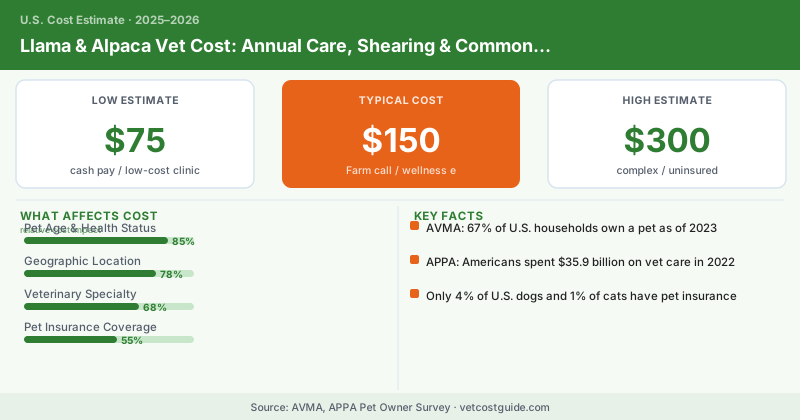
| Farm call / wellness exam | $75 | $150 | $300 |
| Core vaccines (CDT — tetanus + clostridium) | $15 | $30 | $50 |
| Rabies vaccine (optional but recommended) | $10 | $20 | $35 |
| Fecal egg count + anthelmintic (dewormer) | $25 | $60 | $120 |
| Dental exam + molar floating | $75 | $200 | $450 |
| Toenail trimming (per animal) | $10 | $25 | $50 |
| Body condition scoring + nutrition consult | $50 | $100 | $200 |
| Shearing (alpaca fiber harvest) | $25 | $65 | $120 |
Common Illness and Emergency Costs
| Condition | Low | Typical | High |
|---|---|---|---|
| Meningeal worm (P. tenuis) infection treatment | $200 | $500 | $1,500 |
| Heat stress / hyperthermia treatment | $150 | $350 | $800 |
| Skin mite treatment (mange — Chorioptes or Sarcoptes) | $80 | $200 | $450 |
| Neonatal cria care (premature or weak cria) | $300 | $700 | $2,500 |
| Pregnancy toxemia in females | $150 | $400 | $900 |
| Dystocia (difficult birth) — field treatment | $200 | $500 | $1,200 |
| Abscesses (Corynebacterium pseudotuberculosis) | $100 | $250 | $600 |
| Radiograph (lameness evaluation) | $100 | $250 | $500 |
The Biggest Health Risk: Meningeal Worm
Meningeal worm (Parelaphostrongylus tenuis), carried by white-tailed deer, is the single most dangerous health threat to camelids in the eastern United States. Alpacas and llamas are aberrant hosts — the parasite migrates to the spinal cord and brain instead of completing its normal deer lifecycle. Symptoms progress from rear-leg weakness to paralysis to death. Treatment with high-dose fenbendazole and anti-inflammatories costs $200–$1,500 depending on severity, and recovery is uncertain in advanced cases.
Prevention is far cheaper than treatment: keep deer-proof fencing, eliminate white-tailed deer access to pasture, and use monthly ivermectin preventive dosing in high-risk areas. Cost of prevention: $20–$50 per animal per year.
Shearing: Annual Non-Negotiable
Alpacas must be shorn every year, typically in spring before temperatures rise. An unshorn alpaca can develop severe heat stress in summer — this is not optional. Professional shearing costs $25–$120 per animal depending on your region and whether you schedule a group shearing day or call someone for a single animal. Many alpaca owners arrange for a professional shearer to come to the farm and shear multiple animals in one session, which brings the per-animal cost down.
Llamas can sometimes go 18–24 months between shearings depending on their fiber type, but annual evaluation is still recommended.
Most small-animal clinics can’t treat alpacas or llamas. You need a large-animal or mixed-practice vet with specific camelid experience. The Alpaca Owners Association (alpacaowners.com) and the International Camelid Health Education Group (ICHERP) maintain vet referral resources. Establish care before you buy your first animal — in rural areas, camelid-experienced vets may be 1–3 hours away, and farm call fees for long distances add $50–$200 to every visit.
Dental Care: Overlooked Until It’s Expensive
Llamas and alpacas develop fighting teeth (canines) in males that need to be trimmed or removed — if left alone, they can cause severe bite wounds in herd-mates. Trimming is a farm call procedure costing $20–$50 per tooth set. Molar malocclusion (uneven wear causing hooks and waves) requires floating, similar to horses, at $75–$450 per session.
Dental disease that progresses to abscesses means extraction under sedation at $200–$600 per tooth — common enough in alpacas over 8 years old that dental costs become a significant line item in senior animal care.
Realistic Annual Budget
For a single healthy adult alpaca or llama, a realistic annual vet budget breaks down like this:
- Farm call + wellness exam: $150
- CDT + rabies vaccines: $50
- Fecal check + dewormer: $60
- Shearing: $65
- Dental float (every 2 years, prorated): $100
- Toenail trimming (3–4 times/year): $75
- Conservative total: $500–$750 per animal per year
Add a $500–$1,000 emergency reserve per animal. A dystocia, heat emergency, or meningeal worm treatment can easily consume an entire year’s routine budget in a single event. Camelid ownership is deeply rewarding — budgeting for it realistically makes the difference between sustainable and stressful.
Frequently Asked Questions
Professional shearing typically costs $25–$75 per animal per year, depending on your region and the animal's size and fleece condition. Most owners budget $50–$100 annually per animal when factoring in travel time or farm visit fees for mobile shearers.
Most standard homeowner or farm insurance policies exclude routine veterinary care for camelids, though some specialty livestock policies may cover emergency surgery or illness up to $500–$2,000 per incident with significant deductibles. You should contact your insurer directly, as coverage varies widely and many policies classify alpacas and llamas as exotic livestock with limited or no vet benefits.
Dental floating is recommended every 1–2 years for adult camelids to prevent overgrown molars and eating problems, costing $150–$400 per animal depending on sedation needs and your vet's large-animal experience. Young animals may need assessment sooner if they show signs of dropping food or weight loss.