Most people assume a big, sturdy cat is a healthy cat. With Maine Coons, that assumption can cost you four figures. These gentle giants — some hitting 18 to 22 pounds — carry a few specific genetic risks that have nothing to do with how robust they look, and the biggest one targets the heart.
Maine Coons are consistently one of the most registered breeds with the Cat Fanciers’ Association, and for good reason: they’re affectionate, dog-like, and stunning. But their size and genetics mean you’re signing up for a particular set of bills.
The heart is the headline
Hypertrophic cardiomyopathy (HCM) is the most common heart disease in cats overall, and Maine Coons are genetically predisposed. A mutation in the MYBPC3 gene was identified in the breed years ago, and it’s been documented in a meaningful share of the population. HCM thickens the heart muscle, can throw deadly clots, and often gives zero warning before a crisis.
That’s why responsible breeders do annual cardiac ultrasounds (echocardiograms) on breeding cats. As an owner, you’ll likely pay for screening too.
| Condition | Low | High | Typical |
|---|---|---|---|
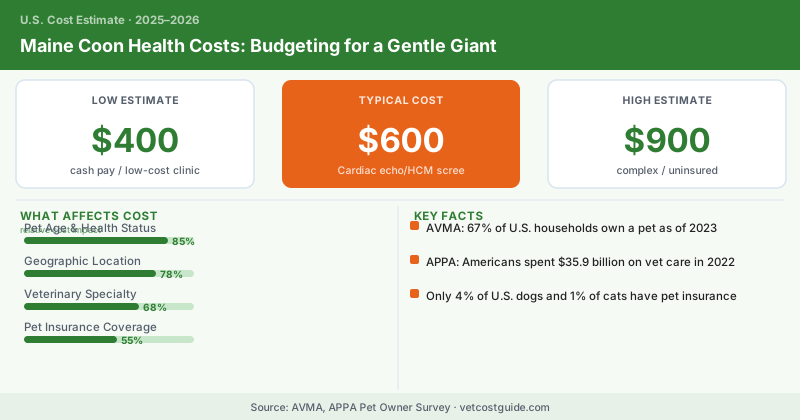
| Cardiac echo/HCM screening | $400 | $900 | $600 |
| HCM lifetime medication & monitoring | $1500 | $6000 | $3000 |
| Hip dysplasia evaluation | $200 | $600 | $350 |
| Hip dysplasia surgery (severe) | $1500 | $5000 | $3000 |
| Spinal muscular atrophy DNA test | $40 | $120 | $70 |
| Dental cleanings (lifetime) | $1200 | $3500 | $2000 |
If your Maine Coon is diagnosed with HCM, treatment looks a lot like managing any chronic feline disease — daily meds, recheck echos, and the occasional emergency. It’s not unlike the long-haul budgeting in our cat diabetes treatment cost breakdown: manageable, but relentless.
Big bodies, big joints
That frame puts stress on the hips. Maine Coons have a higher rate of hip dysplasia than most cat breeds — unusual for a feline, since it’s normally a dog problem. Mild cases just need weight management and joint support. Severe cases can mean surgery running several thousand dollars. Keeping your cat lean is the cheapest medicine there is.
Spinal muscular atrophy (SMA) is another inherited concern, but it’s easily screened with a cheap DNA test, so reputable breeders rarely pass it on anymore.
- Plan for $10,000–$16,000 in lifetime vet care for a Maine Coon.
- HCM is the defining risk — budget for screening echos and possible lifelong heart meds.
- Their large size raises hip dysplasia odds; keeping weight down is free prevention.
- Buy from breeders who screen parents for HCM and SMA, with paperwork to prove it.
Where the smart money goes
Insurance pays off here because HCM can strike young and runs for years. Start a policy before any heart murmur shows up on an exam — once it’s noted, it’s a pre-existing condition. Compare options using pet insurance how it works and current pet insurance cost per month.
A vet hearing a heart murmur during a routine average vet visit cost checkup can be the first sign of HCM. Don’t wait for symptoms — Maine Coons sometimes drop dead from a clot with no prior signs. Screening echos save lives.
Keeping the lifetime bill down
Three habits keep your costs sane. Feed for a lean body — obesity multiplies joint and heart strain. Stay on top of dental care, since this breed accumulates tartar fast; routine cat teeth cleaning cost is cheap compared to extractions. And keep a funding plan ready, whether that’s a dedicated savings account or a CareCredit for vet bills line for the day the heart needs attention.
When the bills tend to land
Maine Coon costs cluster differently than you’d expect. HCM can strike surprisingly young — some cats show changes by age two or three — so the heart risk isn’t just a senior-years problem. That’s the opposite of most chronic feline diseases, and it’s why early screening matters so much. Hip dysplasia, by contrast, usually announces itself in middle age as a reluctance to jump or a stiff gait, and it tends to track with weight: a lean cat may never feel it, while an overweight one limps by age six.
Then there’s the simple cost of scale. A 20-pound Maine Coon eats nearly twice what an 8-pound cat does, takes larger doses of any weight-based medication, and needs a vet comfortable handling a big, strong animal. Anesthesia for a dental or a procedure costs more for a heavier cat, too. None of that is a disease — it’s just the price of a giant.
Maine Coons live long, loving lives when their hearts are watched. Go in knowing the risks, screen early, and the gentle giant in your living room won’t blindside your wallet.
Frequently Asked Questions
A cardiac evaluation for Maine Coons typically costs $400–$900, depending on whether it includes basic auscultation or advanced imaging like echocardiography. Many veterinarians recommend screening between 8 weeks and 1 year of age, then annually or as part of senior wellness exams after age 7.
Most pet insurance plans cover hypertrophic cardiomyopathy (HCM) and heart screening if the condition isn't pre-existing, though you'll typically pay 10–30% coinsurance after meeting your deductible ($250–$1,000). Some insurers exclude or charge higher premiums for Maine Coons due to breed predisposition, so reviewing policy details before enrollment is critical.
Breeders and veterinarians recommend initial screening between 8 weeks and 1 year of age; if negative, repeat screening every 1–2 years until age 7, then annually. The exam typically starts with a physical stethoscope check ($100–$300) and may include echocardiography or ECG ($300–$600 additional) if a murmur is detected or as part of comprehensive screening.