42 percent of households in the U.S. own a cat, per recent American Pet Products Association survey data — but only a sliver of those owners have ever heard of glycogen storage disease type IV. If you’re considering a Norwegian Forest Cat, you need to. It’s a rare but devastating inherited condition specific to this breed, and it’s the first thing to screen for.
The Norwegian Forest Cat — “Wegie” to fans — is a big, fluffy, hardy breed built for Scandinavian winters. They’re generally robust and long-lived, but their concentrated gene pool carries a few specific risks. Lifetime care lands around $8,000 to $14,000.
The serious inherited risks
Glycogen storage disease type IV (GSD IV) is the headline. It’s a fatal metabolic disorder, but it’s DNA-testable, and responsible breeders have largely eliminated it by screening. They also carry elevated risk for hypertrophic cardiomyopathy (HCM) and polycystic kidney disease (PKD) — the heart and kidney issues common across pedigreed cats — plus a hip dysplasia risk owing to their large frame.
| Condition | Low | High | Typical |
|---|---|---|---|
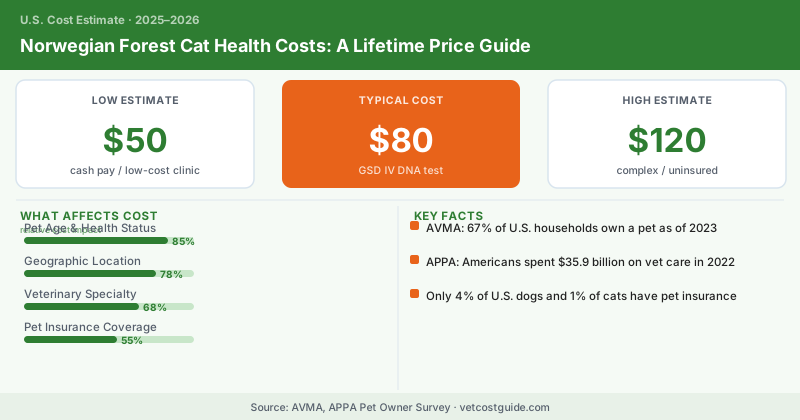
| GSD IV DNA test | $50 | $120 | $80 |
| HCM cardiac echo screening | $400 | $900 | $600 |
| HCM lifetime treatment | $1500 | $5500 | $3000 |
| PKD/kidney disease management | $2000 | $7000 | $4000 |
| Hip dysplasia care/surgery | $500 | $4000 | $1800 |
| Routine + grooming-vet care (lifetime) | $3500 | $7000 | $5000 |
If kidney disease develops, you’re on the chronic-management track from our cat kidney disease treatment cost guide. And a confirmed HCM diagnosis means years of recheck echos and daily heart medication.
Big cat, big-frame issues
Wegies are large — males commonly reach 16 pounds of solid muscle and fur. That size raises the odds of hip dysplasia, unusual for cats but real in heavier breeds. It also means more food, bigger doses of any weight-based medication, and a thick double coat that occasionally needs veterinary attention for mats or skin issues underneath.
- Lifetime vet care for a Norwegian Forest Cat runs $8,000–$14,000.
- GSD IV is rare but fatal — and DNA-testable, so it should never reach a buyer today.
- HCM, PKD, and hip dysplasia are the other risks to plan and screen for.
- Insure as a kitten, and only buy from breeders who test parents.
Where to put your money
The non-negotiable: buy only from a breeder who DNA-tests for GSD IV and shows clean parent results. This disease kills kittens, and the test is cheap — there’s zero excuse for an untested litter. Ask about HCM echo screening and PKD testing too.
Insurance is a solid play for a long-lived breed with heart and kidney risk. The more years you’re covered, the better the math works. Understand the basics in pet insurance how it works and compare pet insurance cost per month before any condition surfaces.
If a breeder can’t produce a GSD IV DNA test result for both parents, do not buy. This is a fatal disease, and a responsible breeder will have the paperwork ready without you asking. Silence or “we don’t test for that” is a hard no.
The yearly picture
Standard kitten care applies — cat vaccination cost and a cat neuter cost or spay procedure. Adult years bring annual exams (average vet visit cost), dental cleanings, and weight monitoring to protect those hips.
The coat costs you might overlook
That gorgeous double coat isn’t free to maintain. Wegies shed heavily, especially during seasonal coat changes, and the dense undercoat mats if it’s neglected — sometimes badly enough to need a vet or professional groomer to shave out pelts under sedation. Skin problems can also hide beneath all that fur, going unnoticed until they’re advanced. Regular grooming at home prevents most of it, but factor in the occasional professional groom or vet-assisted dematting as part of the real cost of the breed.
The good news is the timing of the serious risks. Norwegian Forest Cats are generally robust and slow to develop chronic disease — many sail through their first decade with little more than routine care. That front-loads the cheap years and pushes most heart and kidney monitoring into the senior chapter, which gives a planning-minded owner plenty of runway to build savings or lock in insurance before the expensive years arrive.
Set against the typical annual cost of owning a cat, a Wegie runs slightly above average — mostly the extra food and the larger medication doses a big cat requires. Test the parents, watch the weight, and keep a CareCredit for vet bills line ready. This hardy mountain cat is one of the lower-maintenance pedigreed breeds once you’ve cleared the genetic hurdles.
Frequently Asked Questions
DNA testing for GSD IV typically costs $150–$300 per cat at most veterinary diagnostic labs. Responsible breeders often screen breeding cats before reproduction, and you should request proof of negative test results when adopting a kitten, which may add $50–$100 to the purchase price but prevents devastating long-term costs.
Most pet insurance plans cover HCM diagnosis (echocardiograms cost $300–$500) and medications if the condition develops after the policy start date, though pre-existing conditions are excluded. Out-of-pocket costs for ongoing HCM management typically run $600–$1,200 annually in medications and monitoring ultrasounds, making insurance valuable for this breed.
Breeders and owners should perform echocardiogram screening at 1–2 years of age, with follow-up screening every 1–3 years depending on results, costing $300–$500 per ultrasound. Early detection of HCM allows preventive medication (beta-blockers or ACE inhibitors at $20–$60 monthly) to extend quality of life before symptoms appear.