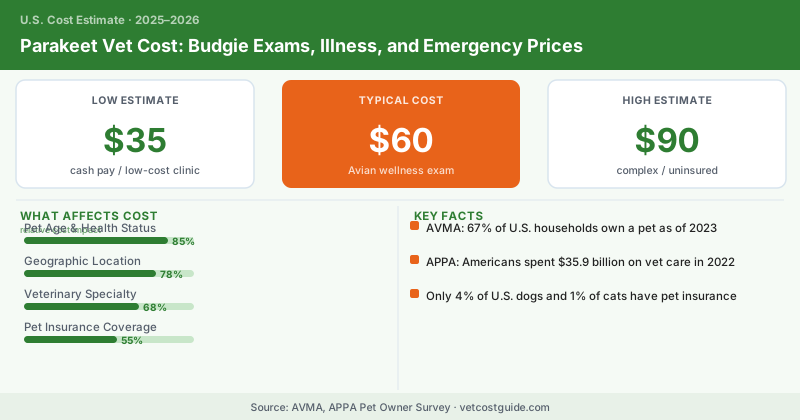
A $20 bird with a $400 vet bill. That’s the math that catches budgie owners off guard, and it happens more often than you’d expect. A parakeet exam runs $35 to $90, but when one gets sick, an illness visit can hit $100 to $500.
Parakeets (budgies) are among the most popular pet birds in America, the APPA’s national surveys consistently rank birds in millions of U.S. households, with budgies leading the pack. They’re cheap to buy and easy to love. The trouble is that their care, when they need it, follows exotic-vet pricing, not pet-store pricing.
What Routine Care Costs
Budgies don’t get vaccines, but an annual or twice-yearly wellness check with an avian vet catches problems early, which matters enormously in a bird that hides illness until it’s nearly too late.
| Item | Low | High | Typical |
|---|---|---|---|
| Avian wellness exam | $35 | $90 | $60 |
| Nail/beak/wing trim | $15 | $45 | $28 |
| Fecal/Gram stain test | $25 | $70 | $45 |
| Bloodwork (if needed) | $80 | $200 | $130 |
| Sick visit (minor) | $80 | $250 | $150 |
| Emergency/after-hours visit | $150 | $500 | $300 |
A wellness visit with a grooming trim might run $50 to $120. The bills climb when illness shows up, and budgies have a few predictable ailments.
The Common Budgie Problems
Respiratory infections are frequent and can turn serious fast, treatment often runs $100 to $300. Tumors, especially in older budgies, are notably common in the breed and may need imaging or surgery costing $200 to $700. Egg binding in females is a true emergency that can hit $200 to $500. Mites and feather issues are usually cheaper, in the $60 to $200 range.
- Parakeet wellness exam: $35–$90; sick/emergency visits: $100–$500.
- Budgies hide illness, so a fluffed, quiet bird is often already very sick.
- Respiratory infections, tumors, and egg binding are the costliest common issues.
- An avian-experienced vet is worth the drive, general clinics often won’t treat birds.
Why “Cheap Bird” Doesn’t Mean “Cheap Care”
The purchase price of a budgie has nothing to do with what it costs to keep one healthy. Avian medicine is a small specialty, the AVMA recognizes companion-exotic practice as a limited niche, so the vets who can properly treat a bird this small are scarce and priced like specialists. You’re paying for rare expertise, not the size of the patient.
A budgie sitting fluffed up at the bottom of the cage, tail-bobbing, or not eating is a genuine emergency. Birds mask illness until they’re critical. If yours looks “off,” call an avian vet the same day, waiting is often fatal.
Keeping the Bill Manageable
- Do annual exams. Catching disease early in a bird that hides symptoms is the biggest money-saver there is.
- Feed a proper diet. An all-seed diet drives many budgie health problems; a pelleted, varied diet prevents costly nutritional disease.
- Locate an avian vet now. Don’t scramble during an emergency, know where you’ll go before you need it.
- Plan funding. Exotic pet insurance and CareCredit both help with surprise bills.
For more, see our bird vet care cost guide, compare against a standard average vet visit cost, and check free vet care programs if you need help.
The Bottom Line
Don’t let the low purchase price fool you, a parakeet needs the same specialist-level care as any pet bird. Wellness exams stay cheap at $35 to $90, but illness and emergencies can run $100 to $500. The owners who spend the least are the ones who feed a good diet, do annual checkups, and already know which avian vet they’ll call when their budgie looks “off.”
Frequently Asked Questions
A routine parakeet exam typically costs between $35 and $90, depending on your veterinarian's experience with avian medicine and your location. This basic visit includes a physical examination but does not cover lab work, X-rays, or treatment for underlying conditions.
Most standard pet insurance policies exclude or severely limit coverage for birds, including parakeets, making illness visits largely an out-of-pocket expense for budgie owners. If your plan does cover avian care, expect to pay 10–30% out-of-pocket after your deductible, with illness visits ranging from $100 to $500 depending on diagnosis and treatment.
A sick parakeet visit typically lasts 30–45 minutes and may include blood work, cultures, or X-rays, which can push costs from $100 to $500 total. Your vet will assess symptoms, prescribe medications if needed, and may recommend follow-up visits within 1–2 weeks to monitor your budgie's recovery.