Try pilling a cat sometime. Now try doing it twice a day for the rest of its life. That nightmare is exactly why compounded medications exist, and why a lot of owners gladly pay for them. A compounding pharmacy can turn a bitter pill into a tuna-flavored liquid or a tasty chew, and sometimes that’s the difference between a treated pet and an untreated one.
Here’s what compounded pet meds cost, when they make sense, and how to keep the price reasonable.
What Compounded Medications Cost
Compounding means a pharmacy custom-makes a drug, adjusting the form, flavor, or strength to fit a specific patient. The price depends on the drug, the format, and the quantity.
| Format | Typical Monthly Cost | Best For | Notes |
|---|---|---|---|
| Flavored liquid suspension | $25-$70 | Cats, picky dogs | Easy to dose |
| Flavored chew/treat | $30-$80 | Dogs | Hides the medicine |
| Transdermal gel (ear) | $35-$90 | Cats who won't swallow | Rubbed on ear skin |
| Custom-strength capsule | $25-$65 | Tiny or giant pets | Off-the-shelf dose won't fit |
| Complex/multi-drug formula | $60-$150+ | Special cases | Several drugs combined |
A simple flavored version of a cheap generic might add only a few dollars. A complex transdermal or multi-drug formula costs much more.
Why You’d Pay Extra for Compounding
Compounding solves real problems. Maybe the commercial drug only comes in a dose three times too big for your five-pound cat. Maybe your dog spits out every pill. Maybe a medication your pet needs was discontinued and a pharmacy can still make it. The FDA Center for Veterinary Medicine regulates compounding under specific rules, and it’s meant to fill gaps where an FDA-approved product doesn’t fit the patient.
The American Pet Products Association reported U.S. owners spent over $38 billion on veterinary care in 2024, and compounding has grown as owners seek easier ways to medicate hard-to-treat pets.
How to Save on Compounded Meds
- Ask if a commercial version works first. Compounding should fill a gap, not replace a cheaper approved drug you could just give.
- Compare compounding pharmacies. Prices vary widely; mail-order veterinary compounders are often cheaper than local ones.
- Order a longer supply. Many compounders discount 60- or 90-day batches.
- Choose the simplest format that works. A flavored liquid usually costs less than a transdermal gel.
- Check if your vet has a preferred pharmacy. Some have negotiated rates.
- Compounded pet meds run $25-$150+ a month depending on format and complexity.
- They’re worth it when a commercial drug won’t fit the dose, form, or your pet’s willingness to take it.
- Mail-order compounders and larger supplies usually cost less.
- Always check whether a cheaper FDA-approved version would work first.
When Compounding Saves Money Overall
It sounds counterintuitive, but compounding can save money. If your cat fights a pill so hard you can’t dose it reliably, the condition goes untreated and lands you in the ER. A $40 flavored liquid that your cat actually takes is cheaper than a $1,500 crisis from a missed medication. The same logic applies to medicating a fractious pet for cat arthritis or a chronic condition.
Compounded drugs aren’t FDA-approved as finished products, and quality varies between pharmacies. Stick with reputable, accredited compounding pharmacies your vet trusts. A poorly made compound can be under- or over-potent, which is dangerous, especially for narrow-margin drugs. Cheaper isn’t worth a quality gamble here.
Fitting It Into Your Budget
Compounded meds are usually tied to a chronic condition, so they’re a recurring cost. Folding that into your routine spending alongside your average vet visit cost keeps things predictable.
If the cost strains your budget, knowing your cheap vet alternatives frees up money, and free vet care programs may help qualifying owners afford ongoing medication.
The Bottom Line
Compounded pet medications cost $25-$150+ a month depending on the format and complexity. They earn their price when a standard drug won’t fit your pet’s size or your pet refuses to take it. Compare pharmacies, buy larger supplies, and always confirm a cheaper approved option won’t do the job first, while never cutting corners on pharmacy quality.
Frequently Asked Questions
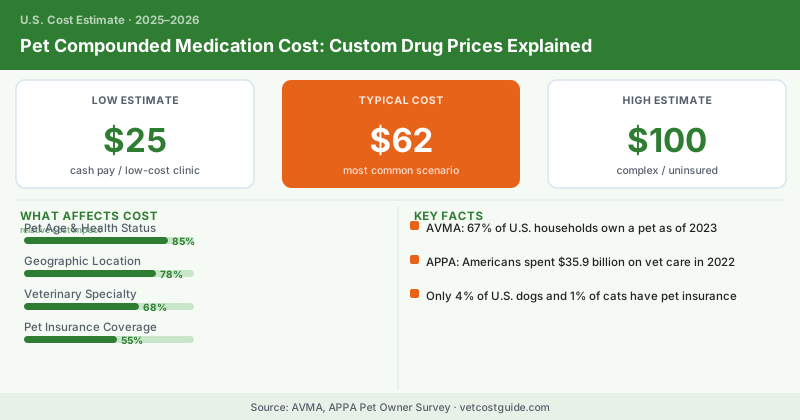
Compounded pet medications typically cost $25 to $100 per month, depending on the complexity of the formula, the active ingredients used, and your compounding pharmacy. More complex or multi-drug formulations can exceed $100 monthly, while simple flavor modifications of standard medications tend toward the lower end of the range.
Most pet insurance plans do not cover compounded medications, treating them as specialty or non-formulary drugs with little to no reimbursement. You should contact your specific insurance provider to confirm your policy's exclusions, as some plans may offer partial coverage if the medication is medically necessary and prescribed by your veterinarian.
Most compounding pharmacies can prepare a compounded medication within 3 to 7 business days after your veterinarian submits the prescription. Rush orders may be available for an additional fee, typically delivering within 1 to 2 business days, so plan ahead if your pet needs immediate treatment.