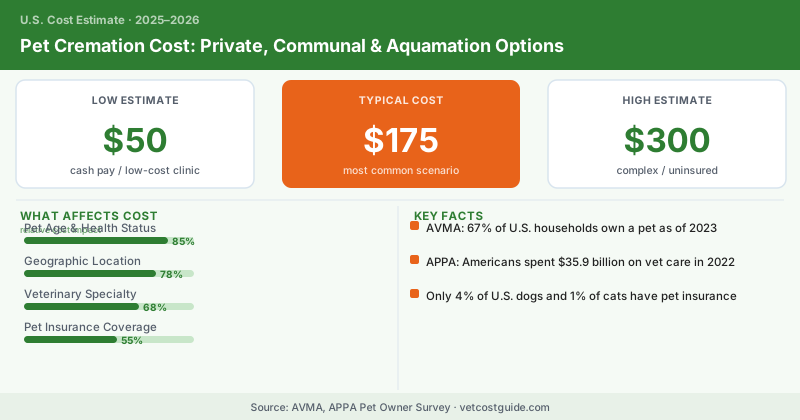
$50 and $600 are both real cremation prices. The difference isn’t quality — it’s whether you get your pet’s ashes back. Here’s what those options actually look like.
That range confuses people at the worst possible time. When you’re dealing with the loss of a pet, the last thing you want to sort through is pricing tiers and unfamiliar terminology from a provider you’ve never spoken with. The time to learn this is before you need it — ideally when you have a healthy senior pet and a few minutes to make a plan.
- Communal cremation: $50–$150 (no ashes returned)
- Semi-private cremation: $100–$250 (minimal commingling; ashes may be returned)
- Private cremation: $150–$400 (ashes returned; your pet only)
- Witnessed private cremation: $250–$500 (you’re present)
- Aquamation (alkaline hydrolysis): $200–$500 (eco-friendly; not in all states)
- Basic urn: included or $20–$50; decorative urns $60–$300
- Home burial: Free (legal considerations vary by municipality)
- Pet cemetery burial: $400–$2,000+
Communal Cremation: $50–$150
Communal cremation is the most affordable option. Multiple pets are cremated together in the same chamber, and the ashes are not separated or returned to individual owners. Ashes are typically scattered in a garden or field maintained by the cremation provider.
It’s not a lesser way to honor your pet — for many people, it’s the right choice. If the ashes themselves aren’t what matters to you, communal cremation is a dignified, affordable option. Most veterinary clinics use a contracted communal service and charge $50–$150 for dogs and cats; smaller pets (birds, rabbits, guinea pigs) typically run $50–$100.
What’s included: transportation of remains from the clinic to the cremation facility, cremation, and disposal of ashes. What’s not included: any ashes returned to you.
Private Cremation: $150–$400
Private cremation means your pet is cremated alone — no other animals in the chamber during the process. Their ashes are collected, placed in a basic container or urn, and returned to you.
This is the option most people choose when they want to keep, scatter, or memorialize their pet’s remains. Costs vary based on pet size:
| Pet Size/Type | Private Cremation Range |
|---|---|
| Small cat or dog (under 15 lbs) | $150–$250 |
| Medium dog (15–50 lbs) | $200–$300 |
| Large dog (50–100 lbs) | $250–$350 |
| Giant breed (100+ lbs) | $300–$400 |
| Small pets (rabbit, bird, guinea pig) | $100–$200 |
“Semi-private” or “individual” cremation is sometimes offered as a middle tier — the pet is cremated with physical dividers separating them from other animals, which reduces commingling but doesn’t guarantee the same absolute separation as true private cremation. If this distinction matters to you, ask the provider specifically: “Is my pet the only animal in the chamber during the cremation process?”
Witnessed Cremation: $250–$500
Some providers allow family members to be present during the cremation. This option is meaningful for some families — a final act of presence and closure. Not all facilities offer it, and it requires scheduling in advance.
Cost runs $250–$500 and typically includes a private viewing room, a facilitated farewell, and private cremation with ashes returned.
Aquamation (Alkaline Hydrolysis): $200–$500
Aquamation — also called alkaline hydrolysis or water cremation — uses warm water and alkaline solution to break down the body over several hours rather than fire. The process is significantly more energy-efficient (uses about 90% less energy than flame cremation) and produces no direct greenhouse gas emissions.
The result is a larger volume of fine, white-gray ash compared to flame cremation — which some families prefer. The process is gentle and considered more environmentally friendly.
Availability is the limitation. As of 2025, aquamation for pets is legal in roughly 20 US states. It’s available through specialty providers, not typically through standard veterinary clinics. If this option appeals to you, search the International Association of Aquamation Industries directory for providers in your state.
Urns and Memorial Items
Basic urns are often included with private cremation, or available for $20–$50. Decorative urns range considerably:
- Ceramic urns: $40–$150
- Wood keepsake boxes: $50–$200
- Biodegradable urns (for burial or water scattering): $30–$80
- Jewelry containing ashes (pendants, rings): $100–$500+
- Paw print impressions (often done at the vet at time of euthanasia): $20–$50
Memorial keepsakes are entirely optional — spend as much or as little as feels right. Don’t let a provider upsell you under pressure.
Home Burial
Home burial is free and legal in many areas — but not all. Before burying your pet at home, check with your local municipality. Some cities and counties prohibit home burial; others allow it with restrictions on depth (typically 3–4 feet), distance from water sources, and property line setbacks.
If you rent your home, check with your landlord. If home burial is permitted, wrap your pet in a natural material (cotton or wool), bury at the required depth, and avoid plastic containers that slow natural decomposition.
Pet Cemetery Burial
Formal pet cemetery burial offers a dedicated, maintained resting place — similar to human cemetery services. Costs vary significantly:
- Plot purchase: $200–$1,000+
- Burial service: $150–$400
- Marker or headstone: $100–$800
- Annual maintenance fees: $50–$200
Total cost for a permanent, marked burial at a pet cemetery: $400–$2,000+ depending on location and services chosen.
How to vet a pet cremation provider. Not all providers are equal, and fraud — receiving mixed or incorrect ashes — does occur. Ask whether the provider is a member of the International Cemetery, Cremation and Funeral Association (ICCFA) or the Pet Loss Professionals Alliance (PLPA). Ask about their chain-of-custody documentation — how they track your pet’s remains from pickup through return. Reputable providers can describe their process clearly and will not be offended by the question. If a provider deflects or can’t explain their process, look elsewhere.
The Conversation to Have Before You Need It
Your veterinary clinic handles aftercare coordination for the vast majority of pet owners — especially for planned euthanasia appointments. Ask your vet’s office which cremation service they use, whether it’s private or communal, and what the cost is. Most clinics build this into the euthanasia fee or quote it separately. You can specify your preference at the appointment.
The ASPCA’s pet loss resources and the Association for Pet Loss and Bereavement (APLB) both offer support and guidance for families navigating pet loss, including help locating reputable aftercare providers in your region.
If your pet is a senior animal, have the conversation with your family now. Knowing your preferences — and having a provider in mind — makes an extraordinarily difficult moment a little less complicated.
Frequently Asked Questions
In communal cremation, multiple pets are cremated together in the same chamber. The ashes are commingled and not returned to individual owners — they're typically scattered in a memorial garden or disposed of by the cremation provider. In private cremation, your pet is cremated alone, and only their ashes are returned to you. Semi-private (also called individual) cremation means your pet is cremated with physical separators to minimize commingling, but it's not as controlled as true private — ask providers specifically which type they offer.
As of 2025, aquamation for pets is legal in approximately 20 states, including California, Colorado, Florida, Georgia, Illinois, Minnesota, and others. State regulations vary and continue to change. The best way to confirm availability in your area is to search the International Association of Aquamation Industries (IAAI) provider directory or call local pet cremation providers directly. Aquamation is generally not available through standard veterinary practices and requires seeking out a specialty provider.
You have several options. You can transport your pet's remains to your veterinary clinic or directly to a pet cremation provider — most accept walk-in remains during business hours. Keep your pet's body in a cool location (not frozen unless you anticipate a wait of several days). If you can't transport immediately, wrap your pet in a blanket and place them in the coolest area of your home. Many pet cremation providers also offer home pickup services for an additional fee of $50–$150. If you wish to bury at home, check your local ordinances first — some municipalities prohibit home burial.