Most people don’t think about pet aftercare until they’re in the most emotional moment of their lives, sitting across a veterinarian’s desk. That’s exactly the wrong time to be comparing prices and options for the first time.
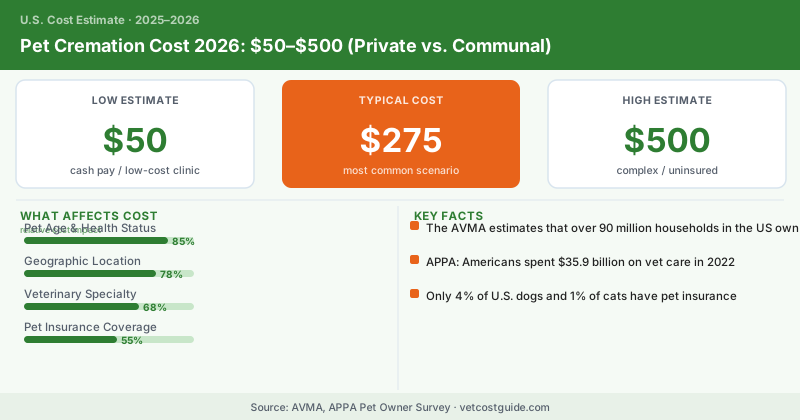
The AVMA estimates that over 90 million households in the US own pets — and pet cremation has become the most common aftercare choice, particularly in urban and suburban areas where home burial isn’t practical. Prices vary more than most owners realize, and the differences between service types are genuinely meaningful.
The Three Types of Pet Cremation
Understanding the types before you call is the most important thing you can do to avoid a confusing or disappointing experience.
Communal cremation: Your pet is cremated along with other pets. Ashes are not returned to you — they’re typically scattered or disposed of by the crematory. This is the lowest-cost option and is appropriate if receiving ashes isn’t important to you.
Individual (partitioned) cremation: Multiple pets are in the cremation chamber at the same time but separated by trays or dividers. You receive ashes back, but there may be minor cross-contamination — small traces of other animals’ remains can mix. Priced between communal and private.
Private cremation: Your pet is cremated alone. You receive only your pet’s ashes. This is the option to choose if receiving a complete, uncontaminated return of ashes matters to you.
Witnessed (attended) cremation: You’re present during the process. Some facilities offer private viewing rooms or memorial spaces. This is the premium service tier.
Cost by Service Type and Pet Size
| Service Type | Small Pet (cat/small dog) | Medium Dog (30–60 lbs) | Large Dog (60–100 lbs) |
|---|---|---|---|
| Communal cremation | $50–$100 | $75–$150 | $100–$200 |
| Individual (partitioned) | $75–$150 | $125–$250 | $175–$300 |
| Private cremation | $100–$200 | $175–$300 | $250–$400 |
| Witnessed/attended | $200–$350 | $300–$450 | $350–$500 |
| Basic urn (included or add-on) | $0–$30 | $0–$30 | $0–$30 |
| Decorative urn upgrade | $30–$150 | $30–$150 | $30–$150 |
| Paw print or fur clipping | $15–$40 | $15–$40 | $15–$40 |
| Rush service (48-hr turnaround) | +$50–$150 | +$50–$150 | +$50–$150 |
What Your Vet’s Office Charges (and What That Covers)
Most people arrange cremation through their veterinarian’s office. This is convenient but adds a layer of cost — the vet clinic typically acts as a middleman and charges a transport or handling fee on top of the crematory’s price.
Vet-arranged private cremation for a medium-sized dog often runs $200–$350 total — the crematory charges $150–$250, and the practice adds $50–$100 for transport and handling. This is standard and reasonable; you’re paying for convenience and not having to manage logistics during a difficult time.
If you want to reduce cost, you can contact a pet crematory directly and arrange transportation yourself — or ask the vet to use a specific provider. Some areas have multiple crematories and prices vary.
When calling a pet crematory or asking your vet’s office to arrange cremation, always confirm: (1) Is this private, individual, or communal? Some facilities use “individual” to mean private — they don’t always mean the same thing. (2) What type of container are ashes returned in? (3) What’s the turnaround time? (4) Are there any additional fees for transportation, certificates, or paw prints? Get a written or itemized quote — verbal prices can shift.
Urns and Keepsakes
The basic container included with most private cremations is a plastic or cardboard box — functional, but not something most owners want to display. Urn upgrades are available at every price point.
- Ceramic or wood urn: $30–$80 from the crematory or pet store
- Custom engraved urn: $60–$150
- Biodegradable urn for burial or water scattering: $30–$80
- Memorial jewelry (ashes encased in resin or glass): $50–$300
- Paw print casting: $20–$60 (often done by the vet or crematory before cremation)
None of these are required. If money is tight, a hand-labeled container is completely fine. The ashes inside are what matters.
At-Home Burial: When It’s an Option
In rural and many suburban areas, home burial is legal and free. It’s the most personal option and requires no crematory involvement. Check your local ordinances — most jurisdictions require burial at least 2–4 feet deep, away from water sources and property lines. In urban areas and in rental properties, home burial is usually prohibited.
The practical limitations: you need land you own, the ability to dig an adequate hole, and comfort with the permanence. If you move, you leave your pet behind. For owners with outdoor property who are settled in place, it’s a meaningful option that costs nothing.
What Happens When a Pet Dies at the Vet vs. at Home
At the vet’s office: You’ll typically be given aftercare options during the appointment or when the situation is anticipated. Most practices give you 24–48 hours to decide without judgment. You can take your pet home first, or leave them with the clinic.
At home: You have more time. Your pet’s body can be kept refrigerated (not frozen — freezing damages tissue and can complicate cremation) for 24–48 hours. Contact a crematory or mobile vet service for transport. Mobile pet aftercare companies now operate in most metro areas and will come to your home.
If your pet passes at home and you’re not ready to call a crematory immediately, keep them in a cool room or refrigerator (not freezer) and wrap them in a blanket or towel. Do not place in a plastic bag without ventilation — decomposition starts quickly in warm conditions. Most crematories can arrange same-day or next-day pickup in metro areas. Mobile pet aftercare services are available in most cities.
Pet Insurance and Cremation Costs
Standard pet insurance policies don’t cover cremation — it falls outside the scope of medical coverage. A small number of “pet life insurance” or “pet final expense” products exist, but they’re niche and rarely cost-effective compared to self-funding.
The most practical approach: plan ahead. Knowing what cremation costs in your area before you need it means you’re not making financial decisions under acute grief. Call a local crematory or ask your vet’s office for their current cremation prices. It’s a quick, calm 5-minute conversation that can save real distress later.
For most owners, private cremation of a cat or medium dog runs $150–$300 all-in. It’s one of the more manageable costs in pet ownership — what matters is choosing the right type before making the arrangement.
Frequently Asked Questions
Communal cremation (multiple pets cremated together, no ashes returned) runs $50–$150 for cats and small dogs. Private cremation (your pet cremated alone, ashes returned) costs $100–$350 for most cats and dogs, depending on size. Witnessed or 'viewing' cremation where you're present ranges from $200–$500. Urns are additional — basic containers are included, but decorative urns cost $30–$200 extra.
Communal cremation means your pet is cremated with other animals — ashes are not returned or are disposed of collectively. Private cremation means your pet is cremated alone and you receive their ashes back. Individual cremation (sometimes called 'partitioned') falls in between — multiple pets are in the retort but separated by dividers, with ashes returned to each owner. Ashes returned from 'individual' cremation may contain trace amounts from other animals.
The cremation process itself takes 2–3 hours for a typical dog or cat. Most crematories return ashes within 3–10 business days for private cremation. Rush services (48-hour turnaround) are usually available for an additional $50–$150. Your vet typically handles transportation to the crematory — ask about their timeline when making arrangements.