This is the hardest article on this site to write, and probably the hardest one you’ll read. If you’re here, you’re likely facing a decision no pet owner wants to make — and having clear, practical information about cost and process can genuinely help during an incredibly difficult time.
Euthanasia is, for most pet owners, an act of care and mercy at the end of a beloved animal’s life. The financial side of this decision is rarely discussed openly, which leaves many owners scrambling to understand costs during an already emotional moment. Here’s what to expect, laid out plainly.
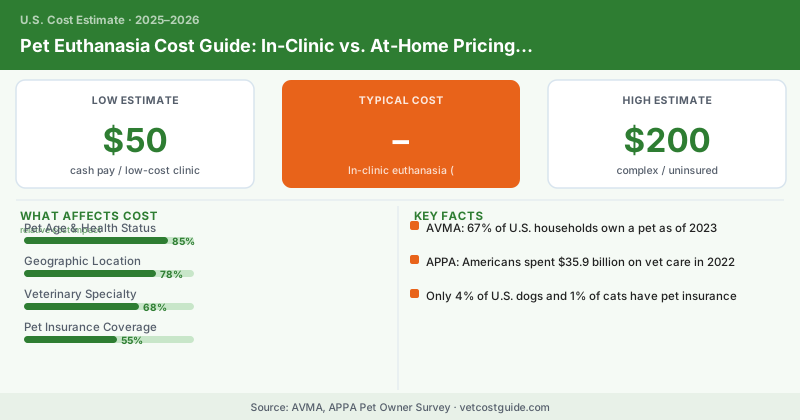
- In-clinic euthanasia (regular vet): $50–$200
- In-clinic euthanasia (emergency/after-hours): $150–$300
- At-home euthanasia service: $150–$500
- Cremation (communal, no ashes returned): $50–$150
- Cremation (private, ashes returned): $150–$350
Full Cost Breakdown
| Service | Low End | High End | Notes |
|---|---|---|---|
| In-clinic euthanasia (regular vet, business hours) | $50 | $200 | Least expensive option |
| In-clinic euthanasia (emergency clinic/after-hours) | $150 | $300 | Higher due to emergency facility overhead |
| At-home euthanasia service | $150 | $500 | Travel time and dedicated appointment slot |
| Sedation prior to procedure (often included) | $0 | $50 | Some clinics itemize separately |
| Communal cremation (no ashes returned) | $50 | $150 | Least expensive aftercare option |
| Private cremation (ashes returned) | $150 | $350 | Individual cremation, urn often included |
| Burial (home, where legally permitted) | $0 | $100 | Check local regulations first |
| Pet cemetery burial | $300 | $1,500 | Varies significantly by region and services |
In-Clinic vs. At-Home: What You’re Actually Choosing Between
In-clinic euthanasia at your regular veterinarian is typically the least expensive option and allows your vet — who likely knows your pet’s history — to perform the procedure. Some pet owners prefer this familiarity; others find the clinical setting harder emotionally.
At-home euthanasia services have grown significantly in availability over the past decade, specifically to offer families a calmer, more private setting for this moment. These services typically cost more due to travel time and a dedicated, unhurried appointment, but many families find the ability to be in a familiar space, without a car ride or waiting room, worth the added cost. Many at-home services also handle aftercare (cremation transport) as part of the visit.
What the Procedure Itself Involves
Most veterinarians administer a sedative first, allowing your pet to relax fully before the final medication is given — this two-step process is standard practice and generally considered the most peaceful approach. You’re typically welcome to be present throughout, and most vets will give you as much time as you need beforehand and afterward. It’s completely appropriate to ask your vet in advance exactly what the process involves, so you know what to expect and aren’t caught off guard by any part of it.
- Ask your vet about quality-of-life assessment tools if you’re unsure whether it’s time — this conversation is one many vets are glad to have with you
- Decide on aftercare (cremation, burial) ahead of time if possible, since making that decision in the moment can add stress
- If choosing at-home service, book as early as you’re comfortable — some services have limited same-day availability
- Ask whether your clinic allows other pets in the household to be present afterward — some behaviorists believe this can help other pets process the loss
Recognizing When the Time Is Approaching
There’s genuinely no universal right answer for timing this decision, but many veterinarians recommend focusing on whether your pet is still having more good days than bad — considering pain control, appetite, mobility, and whether they can still engage in things that used to bring them joy. Structured quality-of-life scales exist (sometimes called the “HHHHHMM scale,” covering Hurt, Hunger, Hydration, Hygiene, Happiness, Mobility, and More good days than bad) that some vets use to help families work through this assessment more objectively during an emotionally overwhelming time.
Many veterinarians are willing to have this conversation with you before a crisis, during a regular visit for a pet with a serious or terminal diagnosis — asking proactively can help you feel more prepared rather than making the decision under acute emergency pressure.
A Note on Cost and This Decision
Please don’t let cost alone dictate this decision if it’s genuinely time — most veterinary practices understand the financial strain involved and many offer some flexibility, including payment plans, for euthanasia specifically, given the nature of the situation. Nonprofit and low-cost veterinary clinics, as well as some local humane societies, sometimes offer reduced-cost euthanasia services for pet owners facing genuine financial hardship — it’s worth asking directly if cost is a barrier to giving your pet a peaceful passing.
Frequently Asked Questions
In-clinic euthanasia typically costs $50–$300 depending on your pet's size and whether it's done at your regular vet versus an emergency clinic, while at-home euthanasia services generally cost $150–$500 due to travel time and the more personalized, unhurried service typically provided.
There's no single right answer, but veterinarians often recommend using a quality-of-life assessment focusing on whether your pet still has more good days than bad days — considering pain control, appetite, mobility, and ability to engage in things they used to enjoy. Many vets are willing to have this conversation with you before an emergency, helping you plan and recognize the signs when the time is approaching.