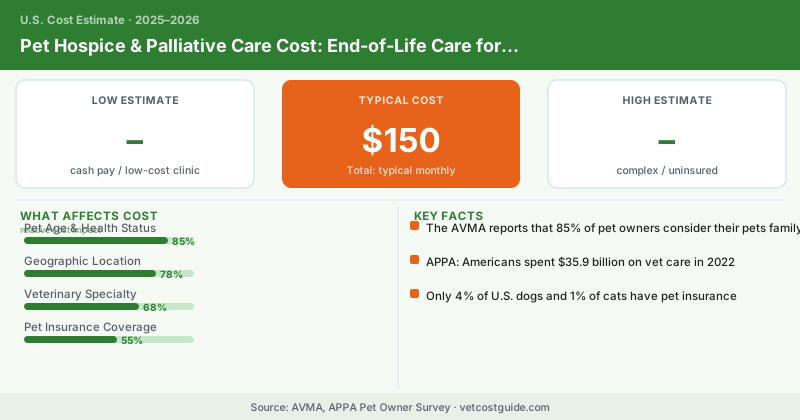
The AVMA reports that 85% of pet owners consider their pets family members. Most of them have no idea what end-of-life care actually costs — or that a whole field of veterinary medicine exists specifically to support it.
Hospice and palliative care for pets is still relatively new in the US, but it’s growing fast. The International Association for Animal Hospice and Palliative Care (IAAHPC) now trains and certifies veterinarians specifically in this discipline. And for owners navigating a terminal diagnosis — cancer, advanced organ disease, severe neurological decline — knowing what’s available and what it costs can mean the difference between a chaotic last few weeks and a peaceful, dignified goodbye.
Palliative Care vs. Hospice: Not the Same Thing
These terms get used interchangeably, but they mean different things in veterinary medicine.
Palliative care focuses on comfort and quality of life alongside curative or life-extending treatment. Your dog is getting chemotherapy for lymphoma, but palliative care also manages nausea, pain, and mobility. Both goals run in parallel.
Hospice care means curative treatment has stopped. The focus is entirely on comfort, dignity, and quality of remaining time. You’re not trying to cure anything — you’re managing symptoms so your pet can be comfortable at home for whatever time is left.
Understanding which you’re providing matters because it shapes what you’re paying for and why.
What At-Home Hospice Management Costs
Most hospice care for pets happens at home. Here’s what owners typically spend:
| Care Component | Monthly Cost | Notes |
|---|---|---|
| Pain management medications | $50–$200 | NSAIDs, gabapentin, tramadol, or opioids |
| Anti-nausea medications | $30–$80 | Ondansetron, maropitant (Cerenia) |
| Appetite stimulants | $20–$60 | Mirtazapine is common for cats and dogs |
| Mobility aids (one-time) | $50–$300 | Orthopedic beds, harnesses, non-slip mats |
| Regular vet check-ins | $50–$150/visit | Every 2–4 weeks typically |
| In-home vet hospice visit | $100–$300/visit | IAAHPC-certified providers; travel included |
| Total: typical monthly hospice care | $150–$500/month | Varies by pet size and symptom burden |
One thing that surprises many owners: some of the most impactful comfort interventions are low-cost. A $60 orthopedic memory foam bed can dramatically reduce pressure sore discomfort in a dog with limited mobility. Non-slip rugs on hardwood floors cost almost nothing and can mean the difference between a dog moving through the house confidently or refusing to try.
In-Home Veterinary Hospice Services
Specialized veterinarians who make house calls for hospice and end-of-life care are more available than most owners realize. IAAHPC-certified providers bring examination, medication adjustment, and quality-of-life assessment directly to your home — which reduces stress for the patient and allows the vet to see the animal in its actual living environment.
Expect to pay $100–$300 per visit for in-home hospice services. That’s higher than a clinic visit, but it reflects the travel, the extended appointment time, and the specialized expertise these vets bring. Most hospice cases involve visits every 2–4 weeks unless the animal is declining rapidly.
The Quality-of-Life Question
The hardest part of pet hospice isn’t financial — it’s knowing when enough is enough. The HHHHHMM scale, developed by veterinary oncologist Dr. Alice Villalobos and widely adopted in palliative practice, gives owners a structured framework:
Score each item 1–10 (10 = best). A total above 35 generally indicates acceptable quality of life.
- Hurt — Is pain adequately controlled? Is breathing comfortable?
- Hunger — Is the pet eating enough to sustain body weight?
- Hydration — Is the pet drinking adequately or receiving fluids?
- Hygiene — Can the pet be kept clean and free of sores?
- Happiness — Does the pet express interest in life, interact, respond to family?
- Mobility — Can the pet move without distress, or is assistance acceptable to both pet and owner?
- More good days than bad — Over the past week, have most days been good days?
When the answer to “more good days than bad” is consistently no despite best efforts, that’s meaningful information.
Euthanasia and Aftercare Costs
When the time comes, euthanasia is typically the final cost of pet hospice. Where and how it happens affects price significantly.
| Option | Typical Cost | Notes |
|---|---|---|
| Clinic euthanasia | $50–$200 | Lower cost; less private setting |
| In-home euthanasia (regular hours) | $200–$500 | Private, low-stress for the pet |
| In-home euthanasia (after hours/weekend) | $300–$700 | Premium for evening or weekend availability |
| Communal cremation | $50–$150 | Ashes not returned |
| Private cremation | $150–$400 | Individual ashes returned |
| Aquamation (water cremation) | $200–$500 | Newer option; lower environmental impact |
| Home burial | $0–$50 | Where legal; check local regulations |
In-home euthanasia costs more, but many owners who’ve used it describe it as profoundly different from a clinic setting. The pet stays in familiar surroundings, the family isn’t in a waiting room, and there’s no rushing. AVMA euthanasia guidelines emphasize the importance of a calm, low-stress environment — and home delivers that in a way a clinic examination room often can’t.
Financial Assistance for End-of-Life Care
End-of-life costs catch many owners off guard. A few resources worth knowing:
- The Pet Fund and Brown Dog Foundation offer assistance for serious illness treatment, which can include palliative care costs.
- RedRover Relief provides urgent care grants, including for end-of-life situations.
- Many veterinary schools offer discounted hospice and palliative care services through their teaching hospitals.
- Some IAAHPC-certified vets offer sliding scale fees for established clients facing financial hardship — it’s worth asking directly.
Don’t wait until a crisis to talk to your vet about end-of-life options. Discussing your pet’s prognosis, hospice preferences, and your financial situation before an emergency gives you time to make thoughtful decisions instead of reactive ones. Owners who have these conversations early consistently report less distress when the time comes.
Frequently Asked Questions
How much does pet hospice care cost? At-home hospice care typically runs $100–$500 per month for medications, supplies, and regular vet check-ins. In-home veterinary hospice visits from a certified provider add $100–$300 per visit. Total costs over a hospice period of 1–3 months commonly range from $500 to $2,000, depending on what’s needed for comfort.
How much does in-home euthanasia cost for a dog or cat? In-home euthanasia generally costs $200–$500 during regular hours and $300–$700 for after-hours or weekend appointments. Clinic-based euthanasia is less expensive at $50–$200. The difference reflects travel time, the private home setting, and the extended time vets typically allow for in-home appointments.
How do I know when it’s time for euthanasia? The HHHHHMM quality-of-life scale is a widely used tool: Hurt (pain managed?), Hunger (eating adequately?), Hydration (drinking enough?), Hygiene (can you keep them clean?), Happiness (does the pet show interest in life?), Mobility (can they move without distress?), and More good days than bad. When more days are bad than good despite best efforts, quality of life has likely declined below what’s acceptable.
Frequently Asked Questions
At-home hospice care typically runs $100–$500 per month for medications, supplies, and regular vet check-ins. In-home veterinary hospice visits from a certified provider add $100–$300 per visit. Total costs over a hospice period of 1–3 months commonly range from $500 to $2,000, depending on what's needed for comfort.
In-home euthanasia generally costs $200–$500 during regular hours and $300–$700 for after-hours or weekend appointments. Clinic-based euthanasia is less expensive at $50–$200. The difference reflects travel time, the private home setting, and the extended time vets typically allow for in-home appointments.
The HHHHHMM quality-of-life scale is a widely used tool: Hurt (pain managed?), Hunger (eating adequately?), Hydration (drinking enough?), Hygiene (can you keep them clean?), Happiness (does the pet show interest in life?), Mobility (can they move without distress?), and More good days than bad. When more days are bad than good despite best efforts, quality of life has likely declined below what's acceptable.