A parrot can outlive its owner, a tortoise can hit eighty years, and a single avian surgery can cost more than insuring a dog for a year. Yet most people have no idea you can even buy insurance for a cockatoo, a bearded dragon, or a rabbit. You can—the market’s just smaller, narrower, and a little weirder than the dog-and-cat world.
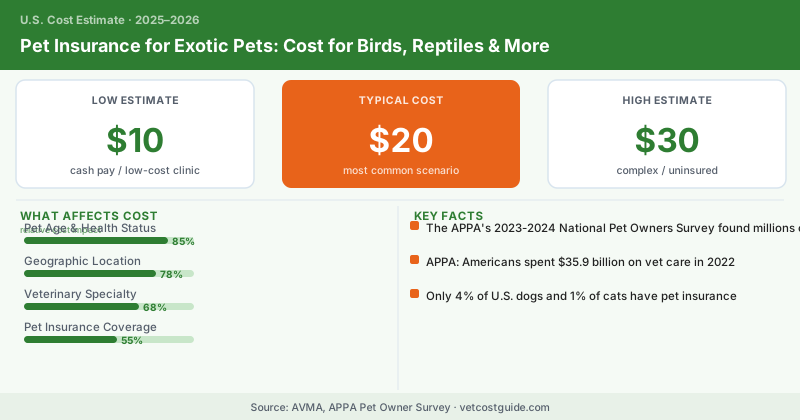
Exotic pet insurance covers birds, reptiles, rabbits, ferrets, and other small or unusual companion animals. Premiums are often lower than dog policies—$10 to $30 a month is common—but the coverage and the provider list are far more limited. Here’s what’s actually available and what it costs.
- Exotic pet insurance typically runs $10-$30/month, varying by species, age, and value.
- Far fewer insurers offer it—Nationwide is the best-known US provider for birds and exotics.
- Coverage usually includes accidents, illness, and sometimes diagnostic and surgical care.
- Specialized exotic vet care is expensive and scarce, which makes coverage genuinely useful for valuable or long-lived species.
What Exotic Coverage Costs by Species
| Exotic Pet | Monthly Premium | Vet Care Note | Coverage Availability |
|---|---|---|---|
| Parrot/large bird | $15-$30 | Surgery $800-$2,000+ | Limited (Nationwide) |
| Small bird (budgie/cockatiel) | $10-$18 | Exams $50-$150 | Limited |
| Reptile (snake/lizard) | $10-$20 | Specialist vets scarce | Very limited |
| Rabbit | $12-$25 | GI surgery $500-$1,500 | Limited |
| Ferret | $15-$30 | Adrenal/insulinoma common | Limited |
Two things jump out. First, premiums are modest. Second, availability is the real constraint—your species may have only one or two insurers willing to write a policy at all. Unlike the crowded dog insurance market, exotic coverage is close to a monopoly in the US, dominated by Nationwide’s avian and exotic plans.
Why Exotic Vet Care Costs So Much
The premium is cheap; the care is not. Exotic and avian medicine is a specialty, and specialists are rare. Many cities have a single qualified avian vet, and emergency exotic care may mean a long drive to a university teaching hospital. That scarcity drives prices up.
A parrot needing surgery for an egg-binding emergency or a crop injury can run $1,000 to $2,500. A rabbit with gastrointestinal stasis—a true emergency—may need hospitalization costing $500 to $1,500. These aren’t padded numbers; they reflect how few providers can do the work. The AVMA has long noted that exotic and avian practice is a small, specialized corner of veterinary medicine, which keeps both supply and competition low.
The Pre-Existing and Lifespan Factors
Long-lived exotics raise the pre-existing stakes. A parrot or tortoise may live 40 to 80 years, so a condition excluded as pre-existing follows the animal for decades. Enroll while the animal is young and healthy—and keep the policy continuous, because a lapse can reset everything to pre-existing.
Lifespan cuts both ways. A long-lived bird means decades of premiums, but also decades of potential coverage—and the longer the animal lives, the more likely it’ll eventually need expensive care. For a valuable breeding parrot or a beloved companion bird, that long horizon makes early enrollment especially smart, the same logic that applies to when to get any pet insurance.
Is Exotic Insurance Worth It?
It depends heavily on the animal. The APPA’s 2023-2024 National Pet Owners Survey found millions of US households own birds, reptiles, and small mammals—but the per-animal value and care cost vary enormously. A $20 budgie is a different calculation than a $2,000 macaw.
Insurance makes the most sense when:
- The animal is valuable, long-lived, or hard to replace (large parrots, expensive reptiles).
- Specialist exotic care near you is limited and costly.
- A single surgery would cost more than a year or two of premiums—which is common.
It makes less sense for inexpensive, short-lived exotics where a self-funded buffer covers the realistic worst case. Our is it worth it framework applies here too: weigh the premium against the realistic cost of the animal’s likely emergencies.
How to Buy Exotic Coverage
Start by finding which insurers cover your species at all—Nationwide is the usual answer for birds and many exotics in the US. Confirm the plan covers your specific animal, not just “exotics” generically. Check whether diagnostics and surgery are included, since exotic diagnostics (imaging, bloodwork on a tiny patient) can be a big share of any bill.
Then locate your nearest qualified exotic vet before an emergency, because finding one at 2 a.m. with a sick parrot is its own crisis. If a major bill arrives, a CareCredit card is widely accepted at exotic and specialty practices. For these unusual, often long-lived companions, a small monthly premium can be the thing that keeps a scarce, expensive surgery from becoming an impossible choice.
Frequently Asked Questions
Exotic pet insurance typically ranges from $10 to $30 per month depending on the species and coverage level. Birds and reptiles fall on the lower to mid-range of this spectrum, while premiums vary based on age, breed, and the deductible you choose.
Most exotic pet insurance covers veterinary treatments, diagnostics, and surgeries—but many policies exclude pre-existing conditions, routine wellness care, and certain genetic issues. You should expect to pay a deductible (usually $250–$500) plus a percentage of the bill (typically 10–20%) out-of-pocket after coverage kicks in.
Avian surgery can cost $1,500 or more, depending on the procedure and your veterinarian's expertise. With insurance covering 80–90% after your deductible, you might pay $300–$600 out-of-pocket instead of absorbing the full surgical cost.