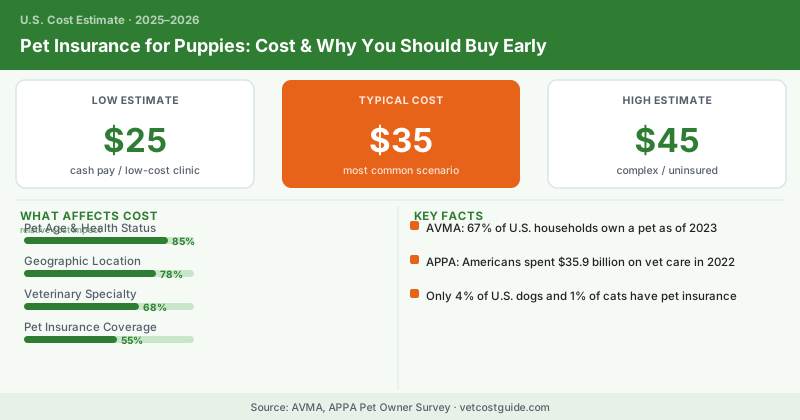
Eight weeks old, fully healthy, zero pre-existing conditions—your puppy will never again be this cheap to insure. That’s not a sales line; it’s just how the actuarial math works. Premiums climb every single year a pet ages, so the day you bring a puppy home is genuinely the best price you’ll ever see.
A puppy accident-and-illness policy typically runs $25 to $45 a month, depending on breed and location. Compare that to the $90-plus that same dog might cost at age 8, and the case for enrolling early writes itself. But there’s more to it than the low premium.
- Puppy insurance averages $25-$45/month—the lowest premium your dog will ever have.
- Enrolling young means nothing is pre-existing yet, so future conditions stay covered for life.
- Premiums rise 8-25% a year as the dog ages, so the early rate compounds into big savings.
- Large and giant breeds cost more to insure but carry the highest orthopedic and bloat risk—exactly what you want covered.
What Puppy Insurance Costs by Breed
| Breed | Age 8 weeks-1yr | At Age 6 | Lifetime Edge of Early Buy |
|---|---|---|---|
| Mixed breed (medium) | $28-$38 | $68-$89 | High |
| Labrador Retriever | $35-$48 | $78-$102 | Very high (hips) |
| French Bulldog | $60-$85 | $128-$168 | Critical (airway/spine) |
| Golden Retriever | $40-$55 | $90-$118 | Very high (cancer) |
| Beagle | $26-$36 | $58-$78 | Moderate |
The right-hand column is the real point. Breeds with high lifetime disease risk get the most value from early enrollment, because that’s where pre-existing exclusions would otherwise gut your coverage later. See the full monthly premium breakdown by age for how steeply these climb.
Why “Buy Early” Isn’t Just Marketing
The strongest reason to insure a puppy isn’t the low premium—it’s the pre-existing condition clause. Anything diagnosed before you enroll, or during the waiting period, is excluded for life. A puppy has no medical history. That clean slate is worth more than the monthly discount.
Wait until your dog is three and develops allergies, and those allergies are permanently excluded. Enroll at eight weeks, and the same allergies are covered. This is exactly why when to get pet insurance is the single most consequential timing decision an owner makes. NAPHIA’s 2024 report noted that the average age of newly insured pets keeps trending younger, because owners are catching on to this math.
The First-Year Puppy Expenses Insurance Won’t Touch
Standard accident-and-illness coverage does not pay for routine puppy care—vaccines, deworming, spay/neuter, or microchipping. Those are wellness items, and they run $400 to $800 in the first year alone. If you want them covered, you’ll need a wellness add-on, which is priced separately on top of your premium.
So the policy covers the surprises—a swallowed toy, parvo, a fracture—not the predictable first-year bills. Budget for both. A routine vet visit schedule for a puppy means multiple appointments before the dog turns one, none of which the base policy reimburses.
Puppies Are Accident Magnets
Here’s the part vets see constantly: puppies eat things. Socks, rocks, batteries, chocolate, string. Foreign-body surgery to remove a swallowed object commonly runs $2,000 to $6,000, and it’s one of the most frequent puppy claims insurers pay. A single emergency vet visit in those first chaotic months can cost more than a year of premiums.
The APPA’s 2023-2024 National Pet Owners Survey reported that US households are adding pets and spending more on veterinary care than ever—and the first year of a dog’s life is statistically one of the most claim-heavy. That curious, indestructible puppy energy is exactly the risk insurance is built for.
How to Buy Puppy Insurance Right
Start the moment you bring the puppy home, before the first vet exam if you can, so nothing gets flagged. Choose a generous annual limit—orthopedic and emergency surgeries add up fast in big breeds. Lock in the lowest age-based rate now, knowing it’ll rise, but the early baseline follows the dog for life.
One more thing breeders and shelters rarely mention: some policies offer a short window to enroll a newly adopted puppy with a reduced or waived waiting period if you sign up within a few days of bringing it home. Ask about it. Catching that window can mean coverage kicks in almost immediately instead of weeks later—valuable insurance during the riskiest, most chewing-everything stage of a puppy’s life.
Then ride out the waiting period and let the coverage do its job. Compare the top-rated dog policies on coverage and limit, not just headline price. The puppy years are chaotic, expensive, and unpredictable—which is precisely why this is the cheapest, smartest time to get covered.
Frequently Asked Questions
Puppy accident-and-illness insurance typically costs $25 to $45 per month, depending on breed and location. This is the lowest premium rate your dog will ever have; premiums increase every year as your pet ages, so insuring at 8 weeks locks in the best possible price for life.
Accident-and-illness policies cover veterinary treatment for injuries, illnesses, and hereditary conditions, though pre-existing conditions are excluded. Most plans have deductibles ranging from $250 to $1,000 per year and cover 70-90% of eligible expenses after the deductible is met.
The ideal enrollment window is between 6 to 8 weeks old, before any health issues develop or are discovered. Enrolling early locks in lower lifetime premiums and ensures no pre-existing condition exclusions, since puppies at this age are typically fully healthy with a clean medical history.