That $90 bottle of flea prevention from your vet? The exact same box might be $58 on Chewy. Multiply that gap across a year of refills and you’re looking at real money. But online isn’t always cheaper, and there are traps that can cost you more than you save. So let’s run the actual comparison.
Here’s how online pet pharmacies stack up against the vet’s office, where you save the most, and how to buy without getting burned.
The Price Gap, Side by Side
For maintenance medications, online pharmacies usually win. For in-clinic treatments and urgent needs, the vet wins by default. Here’s a typical comparison.
| Medication | At Vet | Online Pharmacy | Typical Savings |
|---|---|---|---|
| Flea/tick (12-month) | $180-$280 | $120-$190 | 25-35% |
| Heartworm prevention (year) | $120-$220 | $80-$150 | 25-35% |
| Apoquel (monthly) | $90-$130 | $60-$95 | 25-35% |
| Generic antibiotics | $40-$70 | $30-$55 | 10-25% |
| Carprofen (monthly) | $30-$50 | $18-$35 | 30-45% |
| Injectable biologics | $75-$300 | Not available | N/A |
The biggest savings show up on long-term maintenance drugs you refill again and again. One-off prescriptions save less, and in-clinic injections can’t be bought online at all.
Why Vets Charge More
It’s not pure markup. Clinics buy in smaller volumes than giant online warehouses, carry overhead, and offer the convenience of walking out with the drug in hand. The federal Fairness to Pet Owners movement and FDA guidance support your right to a written prescription you can fill anywhere, but many owners never ask, so they pay the in-house price by default.
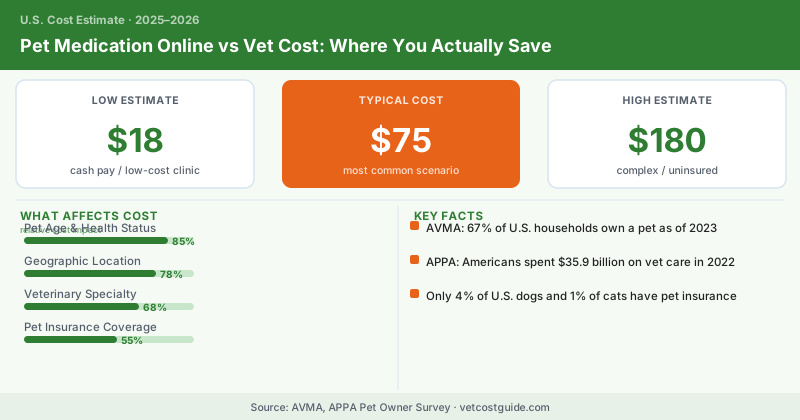
The American Pet Products Association reported U.S. owners spent over $38 billion on vet care in 2024, and a chunk of that is medication that could’ve been bought cheaper elsewhere with a little effort.
When Online Wins, When the Vet Wins
Buy online when:
- It’s a long-term maintenance drug (flea/tick, heartworm, allergy pills, NSAIDs).
- You can plan ahead and wait for shipping.
- You want auto-ship discounts.
Buy at the vet when:
- Your pet needs the drug today for an acute problem.
- It’s an in-clinic injection like Cytopoint, Librela, or Solensia.
- The clinic price-matches, which some do if you ask.
How to Buy Online Safely
- Use accredited pharmacies. Look for Vet-VIPPS accreditation; it signals a legitimate operation.
- Insist on a prescription. A site that sells prescription drugs without one is a red flag for counterfeits.
- Skip too-good-to-be-true prices. Wildly cheap deals often mean fakes or improperly stored product.
- Ask your vet to authorize the script. They’re required to release it on request.
- Online pharmacies typically save 20-50% on long-term maintenance medications.
- In-clinic injections and urgent-need drugs can’t be bought online, so the vet wins there.
- You have the right to a written prescription to fill anywhere; just ask.
- Stick to accredited (Vet-VIPPS) pharmacies that require a prescription to avoid counterfeits.
Avoid any online seller that ships prescription medication without asking for a vet’s authorization. Counterfeit and improperly stored pet drugs are a documented problem, and a fake heartworm or insulin product can put your pet’s life at risk. The few dollars you save aren’t worth that gamble.
Save Beyond the Pharmacy
Smart medication shopping is one lever. Knowing your average vet visit cost and your cheap vet alternatives for exams and routine care multiplies the savings.
For big bills that no pharmacy can shrink, CareCredit for vet bills helps you spread the cost, and free vet care programs support qualifying owners.
The Bottom Line
Online pet pharmacies usually beat vet prices by 20-50% on maintenance medications, but they can’t touch in-clinic injections or same-day urgent needs. Ask your vet for the written prescription, fill long-term drugs through an accredited online pharmacy, and keep buying acute and injectable treatments at the clinic. Done right, you pocket real savings without cutting any corners on safety.
Frequently Asked Questions
Online pet pharmacies typically offer 20 to 50 percent discounts compared to veterinary office prices. For example, a $90 bottle of flea prevention from your vet might cost $58 on Chewy or similar platforms, saving you $32 per bottle or $384 annually if refilled monthly.
Most pet insurance plans cover prescription medications regardless of where you purchase them, but only if you have a valid veterinary prescription and submit receipts for reimbursement. However, some plans may exclude certain medications or require you to fill prescriptions through their preferred pharmacy network, so check your specific policy details.
Yes, you need a valid veterinary prescription for most prescription medications, and your vet can send it directly to the online pharmacy or provide it to you for submission. Non-prescription items like certain supplements or over-the-counter flea treatments can be purchased without a prescription, but always verify with the online retailer before ordering.