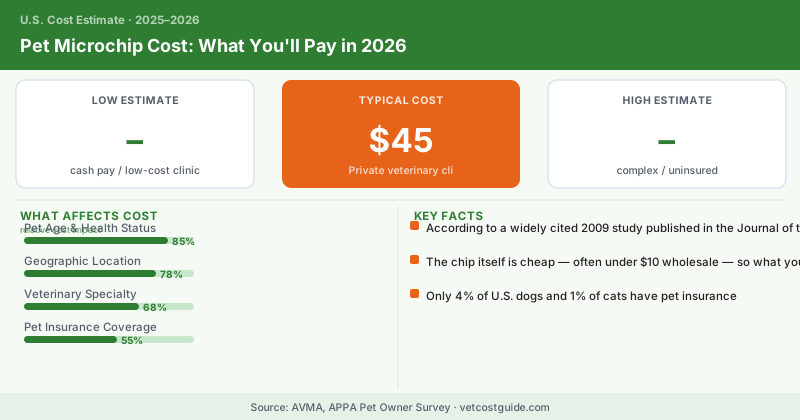
A microchip costs about as much as a nice dinner out — and it’s the single reason a lost dog found three states away gets back home. Pet microchipping typically runs $25–$65 at a standard veterinary visit, though many shelters and low-cost clinics offer it for $10–$25 or even free during adoption events and community vaccine clinics.
According to a widely cited 2009 study published in the Journal of the American Veterinary Medical Association, microchipped dogs were returned to their owners 52.2% of the time compared to just 21.9% of dogs without a chip — and microchipped cats saw an even bigger jump, returned 38.5% of the time versus just 1.8% without one. That gap is the entire reason this procedure exists.
What you’re actually paying for
| Provider Type | Cost | What's Included |
|---|---|---|
| Private veterinary clinic | $45–$65 | Chip, insertion, registration assistance |
| Low-cost/nonprofit clinic | $10–$25 | Chip and insertion only |
| Shelter adoption package | $0–$15 | Often bundled into adoption fee |
| Standalone microchip event | $10–$20 | Community events, no exam included |
The chip itself is cheap — often under $10 wholesale — so what you’re really paying for is the veterinarian’s time, the sterile insertion using a syringe-like applicator between the shoulder blades, and often help registering the chip number in a national database like AKC Reunite, HomeAgain, or the free American Animal Hospital Association universal lookup tool.
Registration is the step people skip
Here’s the part that trips people up: the chip is useless if it’s not registered with your current contact information. A shelter or vet scans the chip, gets a number, and looks it up in a registry — if that registry has your old phone number or no information at all, the chip doesn’t help you.
- Microchipping costs $25–$65 at a vet, often less at shelters and low-cost clinics.
- It’s a one-time procedure with no battery, signal, or recurring cost.
- Registration is separate from implantation — do it immediately, and update it whenever you move.
- Microchipped pets are returned to owners at roughly double to twenty times the rate of unchipped pets, per JAVMA research.
Registration costs range from completely free (some registries) to $15–$20 for premium services that include lost-pet alert networks and 24/7 recovery support. Whatever you choose, set a calendar reminder to check and update your information whenever you move or change your phone number.
How it compares to a GPS tracker
Microchips and GPS trackers solve different problems, and many owners eventually use both. A microchip is permanent, invisible, and never needs charging — but it only works if someone finds your pet and takes them to be scanned. A GPS tracker like Tractive or Whistle lets you see your pet’s live location on a map but costs $50–$100 upfront plus a monthly subscription, and the battery dies at the worst possible time.
- Outdated registry info. A microchip registered to a phone number you canceled two moves ago is nearly as useless as no chip at all. Update it the same week you move.
- Assuming your pet is chipped. If you adopted from a shelter, confirm the chip was actually registered in your name — some adopters assume the shelter did it, and it never got finalized.
- Skipping the confirmation scan. After implantation, ask your vet to scan the chip on the spot to confirm it’s reading correctly before you leave.
Is it worth it?
For less than the cost of a single vet visit, microchipping dramatically improves the odds a lost pet gets home. Combine it with a visible ID tag on the collar (which most finders check first) for the best of both worlds — the tag gets a fast phone call, and the chip is the permanent backup if the collar falls off. Given the price and the data on return rates, this is one of the lowest-cost, highest-value things you can do as a pet owner, right alongside routine vaccinations and a solid pet insurance plan.
Frequently Asked Questions
No, the microchip implant itself is a one-time cost with no recurring fee. However, some registries charge an annual or one-time registration fee ranging from free to $20, and if you move or change your phone number, updating your contact information in the registry database is typically free or costs a small fee under $10.
Most standard accident-and-illness pet insurance plans don't cover microchipping since it's considered preventive care, not treatment. However, some insurers offer it as part of an optional wellness add-on that also covers vaccines and annual exams, typically adding $200–$400 per year to your premium.
A microchip is a passive, battery-free chip the size of a grain of rice that only works when scanned by a vet, shelter, or animal control officer with a compatible scanner — it doesn't track your pet in real time. A GPS tracker is a battery-powered collar attachment that shows live location on your phone but costs $50–$100 upfront plus a $5–$15 monthly subscription.