In 2009, getting your pet back after it bolted meant flyers on telephone poles and a lot of luck. Today you’ve got two very different tools, and a lot of owners think they’re interchangeable. They aren’t. A microchip and a GPS tracker do completely different jobs, and the cost structures are completely different too. Let’s settle which one your pet actually needs, and whether you should pay for both.
Side-by-Side Cost
Here’s the money laid out plainly.
| Option | Upfront Cost | Ongoing Cost | What It Does |
|---|---|---|---|
| Microchip implant | $25–$60 | $0 (one-time) | Permanent ID scanned at shelters/vets |
| Microchip registration | $0–$20 | $0–$20/yr (optional premium) | Links chip to your contact info |
| GPS tracker (collar device) | $30–$150 | $5–$15/month | Real-time location on your phone |
| Bluetooth tag (AirTag-style) | $25–$40 | $0 | Short-range finding only |
| Both microchip + GPS | $70–$200 | $5–$15/month | Permanent ID plus live tracking |
See the pattern? A microchip is a one-and-done purchase. A GPS tracker is a subscription, like a tiny cell plan for your dog.
What a Microchip Actually Does
A microchip is a rice-grain implant under the skin. It doesn’t track anything. It holds an ID number that a shelter or vet scans when a lost pet shows up. The number links to your contact info in a registry. That’s it, and that’s why it’s the single best return on safety money you can spend. A widely cited study published in the Journal of the American Veterinary Medical Association found microchipped dogs were returned to owners about 52 percent of the time versus around 22 percent for all stray dogs, and microchipped cats were reunited at more than 20 times the rate of unchipped ones. For full detail on the implant itself, see pet microchipping cost.
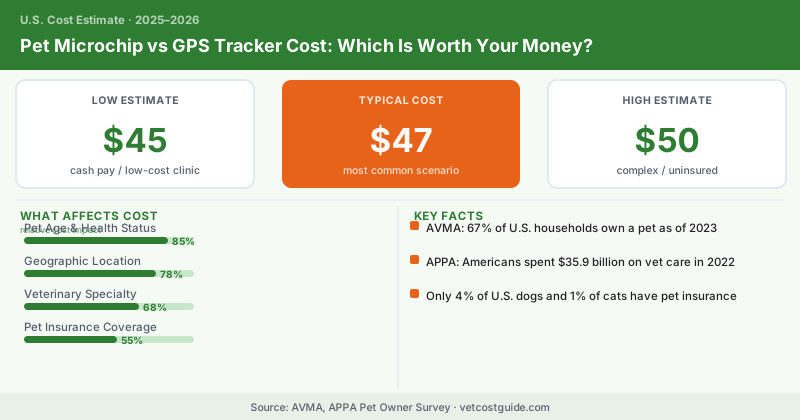
- A microchip is a ~$45 one-time cost and dramatically raises the odds of recovery; it does NOT track location.
- A GPS tracker shows live location but requires a $5–$15 monthly subscription forever.
- The two solve different problems, so the smart move for many owners is both.
- A microchip is worthless if the registry info is outdated, so keep it current.
What a GPS Tracker Does (and Doesn’t)
A GPS tracker tells you where your pet is right now, on a map, in real time. Great for escape artists, off-leash hikers, and outdoor cats. The catch is the monthly fee and the battery, which needs charging every few days to a couple of weeks depending on the model. And if the battery’s dead or the collar comes off, it tells you nothing. Bluetooth tags are cheaper with no subscription, but they only work within a short range, so they help you find a pet hiding under the porch, not one three miles away.
Which Should You Buy?
Don’t think either/or. Think layers.
- Buy the microchip no matter what. It’s cheap, permanent, and it’s what shelters scan. This is the non-negotiable baseline.
- Add a GPS tracker if your pet is a known runner, an outdoor cat, or a hiking companion.
- Skip the GPS if your indoor cat never leaves the house; the microchip alone covers you.
A chip is also one of the lowest-cost line items you’ll ever hit at the average vet visit, often bundled in with another appointment.
The most common reason a microchip fails to reunite a pet isn’t the chip, it’s an out-of-date registry. Tens of thousands of chipped pets sit in shelters every year with disconnected phone numbers attached. Whatever you spend on hardware, update your registration whenever you move or change your phone.
Doing the Long-Term Math
A microchip is roughly $45, once, for the pet’s whole life. A GPS tracker at $10 a month is $120 a year, or $1,200 over a decade, plus the device. Neither is wrong, but know what you’re signing up for. When you fold these into the annual cost of owning a dog, the chip is a rounding error and the GPS is a real recurring line item.
The Bottom Line
If you only do one thing, microchip your pet and keep the registration current. It’s the cheapest insurance in all of pet ownership. Add a GPS tracker on top if your pet’s lifestyle calls for it. And if budget is tight, low-cost chip clinics are everywhere, often cheaper than a single month of GPS service. Spend on the permanent solution first, then layer in live tracking only if you genuinely need it.
Frequently Asked Questions
A pet microchip typically costs around $45 as a one-time fee, usually applied during a vet visit. Some animal shelters and rescue organizations offer microchipping for $15–$30 if you want a lower upfront cost.
Most pet insurance plans do not cover microchipping or GPS trackers, as they are considered preventative or elective devices rather than medical treatments. You'll pay the full cost out-of-pocket, though the one-time microchip fee of $45 is significantly cheaper than ongoing GPS subscription fees.
Microchipping takes just a few minutes during a regular vet appointment—it's a quick injection with minimal discomfort and no recovery period needed. Your pet can go home immediately and resume normal activity right away.