A bag of prescription kidney food can cost more than your own weekly groceries, and you need a vet’s authorization just to buy it. That combination frustrates a lot of owners. Why does dog or cat food need a prescription, and why does it cost double the regular stuff?
Let’s unpack what therapeutic diets cost, what you’re actually paying for, and how to bring the price down without putting your pet’s health at risk.
What Prescription Pet Food Costs
Therapeutic diets are formulated for specific medical conditions: kidney disease, urinary stones, food allergies, digestive issues, and weight management. Brands like Hill’s Prescription Diet, Royal Canin Veterinary, and Purina Pro Plan Veterinary dominate the space.
| Diet Type | Cat (Monthly) | Small Dog (Monthly) | Large Dog (Monthly) |
|---|---|---|---|
| Kidney/renal support | $45-$80 | $40-$70 | $90-$160 |
| Urinary (stones) | $40-$75 | $40-$65 | $85-$150 |
| Hydrolyzed (allergy) | $50-$90 | $50-$80 | $110-$190 |
| Gastrointestinal | $40-$80 | $40-$70 | $90-$160 |
| Weight management | $35-$65 | $35-$60 | $75-$130 |
Large dogs cost the most simply because they eat more. A giant breed on a hydrolyzed allergy diet can blow past $200 a month.
Why It’s So Pricey and Needs a Prescription
Therapeutic diets undergo formulation work and feeding trials to hit precise nutrient targets, like restricted phosphorus for kidney patients or hydrolyzed proteins small enough to dodge an allergic response. The prescription requirement exists because feeding the wrong therapeutic diet to a healthy pet, or the wrong one to a sick pet, can cause harm. It’s a control measure, not just a sales tactic.
The American Pet Products Association reported U.S. owners spent over $64 billion on pet food and treats in 2024, and the veterinary-diet segment is among the priciest per pound.
How to Pay Less for Therapeutic Diets
- Buy online with a prescription. Chewy and other pharmacies often beat clinic prices, and they’ll request the authorization from your vet directly.
- Use auto-ship discounts. Recurring orders frequently knock 5-15% off.
- Buy the largest bag. Cost per pound drops sharply on big bags if your pet eats it before it goes stale.
- Ask about an over-the-counter equivalent. For some conditions, like mild weight control, a non-prescription option may work. Confirm with your vet first.
- Watch for manufacturer rebates. Hill’s and Royal Canin run periodic promotions.
- Prescription diets cost $35-$190+ a month depending on the condition and pet size.
- The prescription requirement is a safety control, not just marketing.
- Buying online with a vet authorization and using auto-ship can save 10-25%.
- For some conditions an over-the-counter diet works, but only with your vet’s sign-off.
When the Diet Is the Treatment
For some conditions, food does the heavy lifting that drugs can’t. Urinary diets dissolve certain bladder stones, avoiding surgery. Kidney diets are proven to extend survival in cats with chronic kidney disease. In those cases the food is the medicine, and skipping it to save money usually costs more later in vet bills.
If your pet’s condition involves multiple expenses, see how food fits the bigger picture in our guides to cat diabetes treatment costs and dog allergy treatment costs.
Don’t switch your pet off a prescribed therapeutic diet to a cheaper regular food without asking your vet. A renal or urinary patient can decline fast on the wrong food, and the resulting emergency visit will dwarf whatever you saved on the bag.
Budgeting for the Long Term
Many therapeutic diets are lifelong, so a kidney cat or allergic dog means a permanent food upgrade. Folding that into your monthly pet budget alongside your average vet visit cost keeps surprises down.
If the cost strains your budget, free vet care programs and pet food banks sometimes stock therapeutic diets, and knowing your cheap vet alternatives frees up money for the food that’s actually treating the condition.
The Bottom Line
Prescription pet food runs $35-$190+ a month depending on the diet and your pet’s size. The prescription rule is about safety, and the price reflects real formulation work. Buy online with a vet authorization, use auto-ship, and choose larger bags to trim the cost, but never swap a medical diet for cheaper food without your vet’s okay.
Frequently Asked Questions
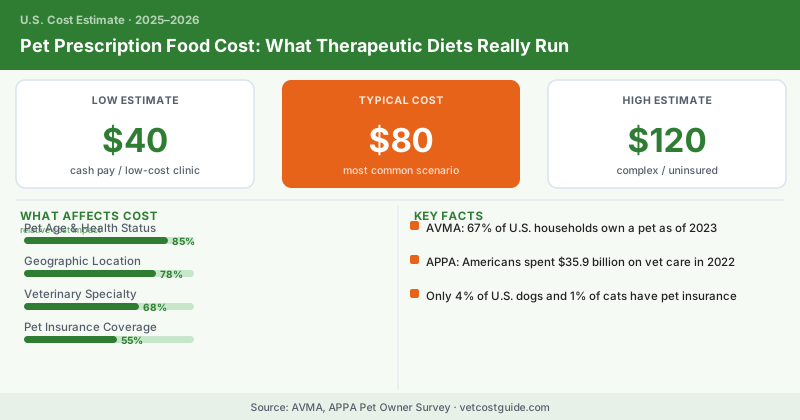
Prescription pet food typically costs $40 to $120 per month, depending on the brand, formula, and your pet's size and dietary needs. This is usually double the cost of regular commercial pet food, since therapeutic diets are formulated to address specific health conditions like kidney disease, digestive issues, or allergies.
Most standard pet insurance plans do not cover prescription diet food, as it is classified as preventive or wellness care rather than treatment for acute illness or injury. Some wellness add-on riders may offer partial coverage up to $200-$500 annually, but you should verify your specific policy since coverage varies significantly by insurer.
Once your vet prescribes a therapeutic diet, you can typically reorder directly from online retailers, pet pharmacies, or your vet's clinic without another office visit, though most prescriptions are valid for 6-12 months. Some vets require annual check-ins to renew the prescription, but you can often phone or email to request a refill if your pet's condition remains stable.